Top Landscaping Services in Rosemount, MN, 55068 | Compare & Call
There are 195 landscaping companies server in Rosemount MN
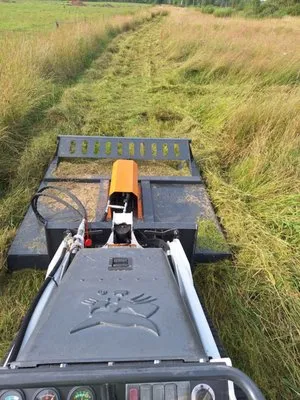
York Landscaping & Tree Service
York Landscaping & Tree Service is a locally-owned East Bethel company built on a foundation of dependability and integrity. Owner Chuck, a respected Twin Cities entrepreneur, brings a seasoned profes...
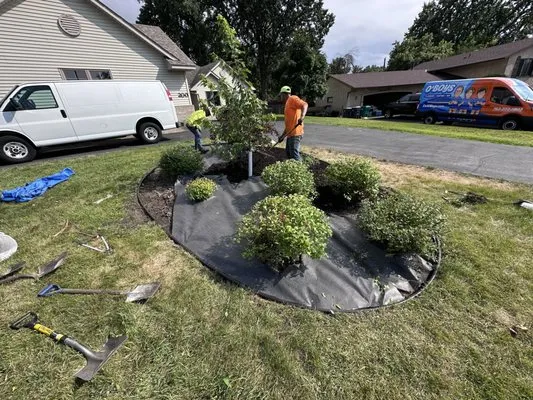
The Gardener Luna is your dedicated partner for Arden Hills landscaping and tree care. We believe a well-maintained outdoor space enhances your home's beauty and value, which is why we focus on reliab...

Adam's Pest Control is a family-owned, licensed pest control company serving Medina, MN, and surrounding areas since 1971. We specialize in comprehensive extermination and prevention services for a wi...
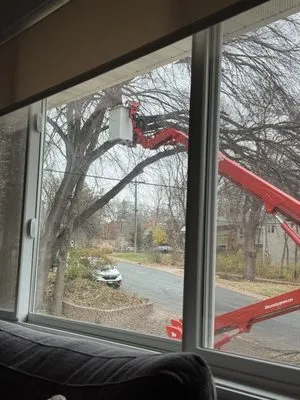
Braun Outdoors is a trusted tree and lawn service provider serving Richfield, MN, and surrounding communities. We specialize in comprehensive lawn care and tree care services designed to address commo...
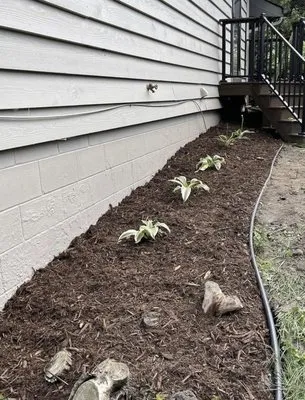
Mecha Landscaping
Mecha Landscaping serves Saint Paul homeowners by blending creative design with skilled construction to build and maintain beautiful, resilient outdoor spaces. We understand the unique challenges of l...
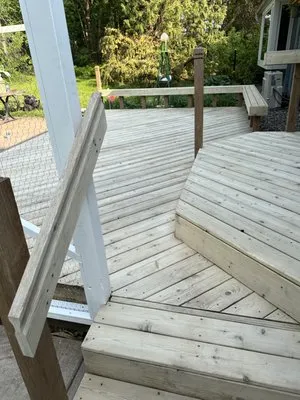
Swenson's Outdoor Solutions is a Saint Paul-based company specializing in comprehensive outdoor services including tree care, landscaping, and handyman work. We help homeowners address common local is...
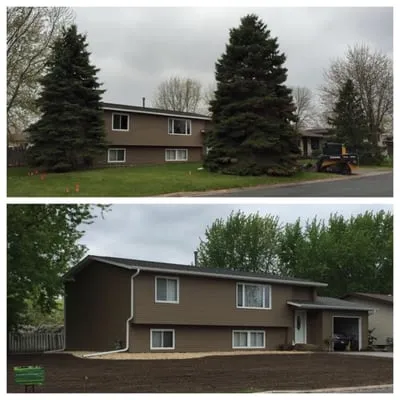
McGraw Construction Group is a trusted local contractor in Hastings, MN, specializing in expert excavation and trenching services for residential and commercial properties. We understand that common l...

Ortiz Lawn and Landscaping is a veteran-owned and operated lawn care and snow removal service based in South Saint Paul, MN. Founded by a US Marine Corps veteran with formal training in horticulture, ...
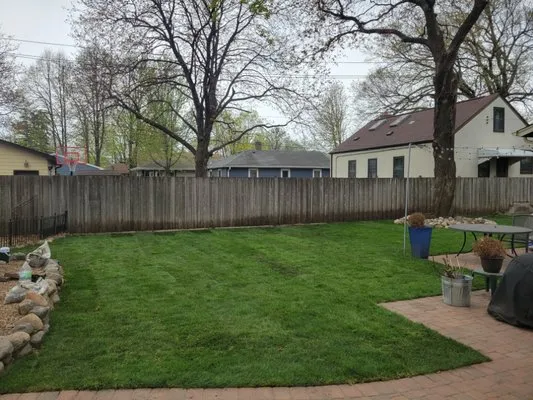
Rockman Landscaping & Tree Service
Rockman Landscaping & Tree Service is a family-owned and operated business based in Plymouth, MN, serving the Minneapolis metro area, including Loretto, with over 20 years of experience. They speciali...

Andrew's Lawn and Snow is a locally owned and operated lawn care and snow removal company serving Minneapolis, MN, and the surrounding Twin Cities area. With over 5,000 homeowners trusting us for thei...
Estimated Landscaping Service Costs in Rosemount, MN
Questions and Answers
How quickly can you respond to an HOA violation notice for overgrown vegetation?
Emergency cleanup crews can typically reach Rosemount Park within 20-30 minutes during peak hours. Our dispatch routes from Central Park of Rosemount via MN-3 to optimize travel time. We prioritize HOA compliance calls to address overgrowth before fines accumulate, with electric equipment ensuring work can continue within the 7:00 AM to 9:00 PM noise ordinance window.
What solutions exist for seasonal frost heave and clay soil drainage problems?
High clay content in Rosemount's Mollisols creates poor drainage and frost heave issues. Installing permeable concrete pavers or crushed granite hardscapes allows water infiltration while meeting Rosemount Planning and Zoning Department runoff standards. French drains with proper grading direct water away from foundations. These systems work year-round, reducing spring thaw damage and preventing water pooling.
Are concrete pavers better than wood for patio construction in our climate?
Concrete pavers and crushed granite outperform wood in Minnesota's Zone 4b climate. These materials resist frost heave damage and last 25+ years with minimal maintenance. Their non-combustible nature supports Urban Interface compliance for Moderate fire-wise ratings by creating defensible space. Properly installed permeable systems manage runoff while providing durable outdoor living areas.
How can I maintain my Kentucky Bluegrass and Fine Fescue lawn during Stage 1 water restrictions?
Smart Wi-Fi ET-based weather sensing irrigation systems adjust watering schedules based on actual evapotranspiration rates. This technology reduces water use by 20-30% while preserving turf health. The system automatically accounts for rainfall and humidity, ensuring your lawn receives only necessary moisture. This approach keeps you compliant with Rosemount's voluntary conservation measures while maintaining grass vitality.
What permits and licenses are required for regrading my 0.25-acre property?
Grading work on 0.25-acre lots in Rosemount requires permits from the Rosemount Planning and Zoning Department. Contractors must hold appropriate licensing through the Minnesota Department of Labor and Industry. Significant earth moving may trigger erosion control plans and inspections. Professional licensing ensures proper drainage solutions that prevent neighbor disputes and comply with municipal standards.
Why does my Rosemount Park lawn have drainage issues despite regular watering?
Homes built around 1999 in Rosemount Park have soil that is now 27 years mature. The Mollisols/loam soil common here has developed compaction layers from decades of foot traffic and equipment use. This reduces permeability and creates drainage problems, especially with the area's high clay content. Core aeration with organic amendments like compost is essential to restore soil structure and improve water infiltration.
How should I treat invasive species without violating fertilizer regulations?
Common invasive alerts in Rosemount include buckthorn and garlic mustard. Manual removal during late fall or early spring avoids Minnesota's strict phosphorus limitation blackout dates. Spot treatment with EPA-approved herbicides requires careful timing to prevent runoff. Soil testing determines if amendments are needed, ensuring compliance with Minnesota Statute 18C.60 while restoring ecological balance.
What are my options for reducing lawn maintenance while supporting local ecology?
Transitioning sections of turf to native plantings like Little Bluestem, Prairie Dropseed, and Purple Coneflower significantly reduces maintenance needs. These species require no mowing, minimal watering, and support pollinator populations. Electric maintenance equipment operates quietly within noise ordinance hours. This approach creates habitat while reducing fuel consumption and aligning with 2026 biodiversity standards.
