Top Landscaping Services in Rogers, MN, 55311 | Compare & Call
There are 190 landscaping companies server in Rogers MN
C & K Lawn Services LLC is a family-owned lawn care business in Maple Grove, MN, founded by Chris and his wife Korrine. Inspired by their two daughters, they started the company to have flexibility fo...
Peter Doran Lawn & Landscaping has been serving Rogers, MN, and the surrounding Minneapolis metro area since 1993. As a licensed provider of lawn care and landscaping services, we specialize in lawn m...
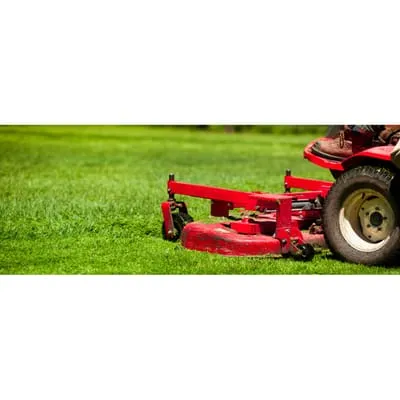
Founded in 1999 by Jerry Bruns, David Pramann, and Jeff Spillum, Greener Alternative, Inc. has over two decades of experience serving the Twin Cities and its suburbs. As a licensed and insured contrac...
Lee's Lawn Care is a trusted, locally-owned lawn service provider dedicated to helping Elk River homeowners achieve and maintain a healthy, vibrant yard. We understand the common local challenges of p...
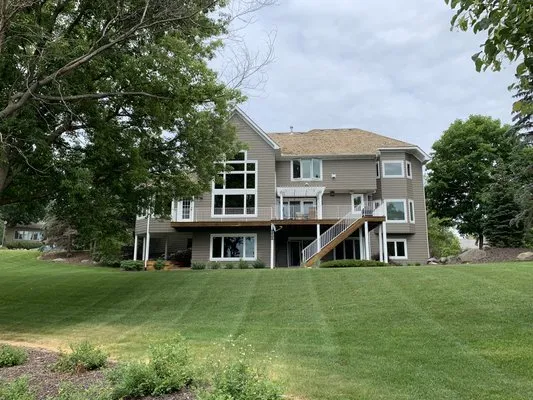
A&L Property Maintenance is a trusted local business serving Delano, MN, with reliable property care solutions. Founded in 2019 and built on over seven years of industry experience, we specialize in p...
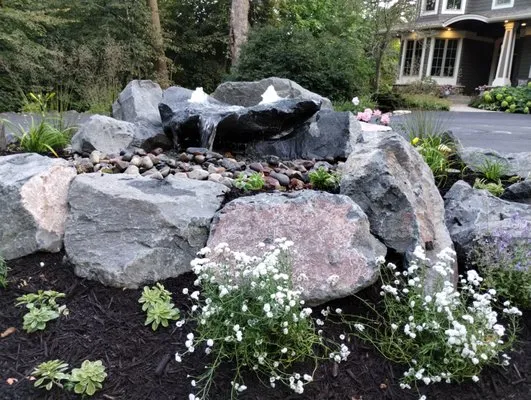
Stone Creations Landscaping & Design is a family-owned design/build firm that has been helping Loretto, MN, homeowners transform their outdoor spaces since 1999. We are passionate about creating beaut...
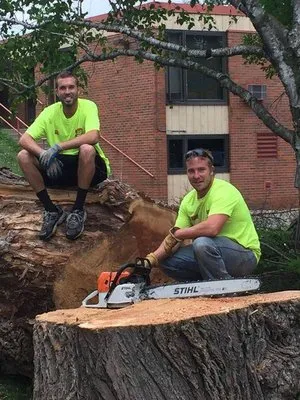
Hansons Tree Service & Landscaping
Hansons Tree Service & Landscaping is a trusted, fully insured local provider serving Elk River, MN, with over 25 years of dedicated experience. As members of the National Arbor Association, we specia...

Big Mac's Lawn Service is a family-owned lawn and tree care provider based in Albertville, MN, serving the STMA area since 2014. Founded by Spencer and his wife after moving to the community, the busi...
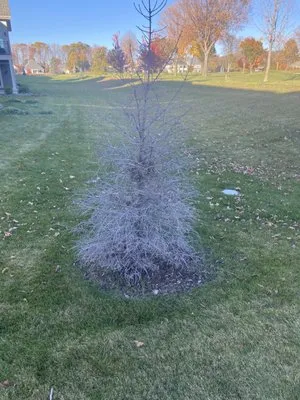
L & K Landscaping is a trusted, locally-owned landscaping company serving Saint Michael, MN, and the surrounding areas. We specialize in addressing common local landscaping challenges, particularly la...
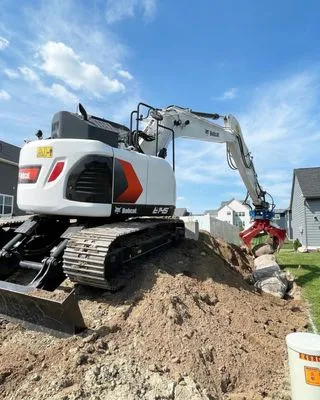
G&M Outdoor Services
G&M Outdoor Services is a Big Lake, MN-based company specializing in comprehensive outdoor solutions for local homeowners and businesses. Founded and operated by co-owner Marlena, who grew up immersed...
Estimated Landscaping Service Costs in Rogers, MN
Q&A
Why does my Rogers Village lawn struggle despite regular watering and fertilization?
Rogers homes built around 2001 sit on 25-year-old Mollisols/loam soil that has become compacted from construction and maintenance. This soil type naturally has a pH of 6.5-7.2 but loses permeability over time, restricting root growth and water infiltration. Core aeration and organic amendments like compost are essential to restore soil structure and microbial activity. Without these interventions, nutrients and water cannot reach grass roots effectively.
What solutions exist for poor drainage in Rogers' clay-heavy soil pockets?
Seasonal high water tables in Mollisols require permeable hardscapes like concrete pavers or crushed granite to enhance infiltration. These materials allow water to percolate into the soil rather than creating runoff. Installing French drains or dry wells can address persistent pooling issues. The Rogers Building and Planning Department approves such systems for meeting stormwater management standards.
What permits and licenses are needed for grading a 0.25-acre lot in Rogers?
Grading work requires a permit from the Rogers Building and Planning Department to ensure compliance with erosion control and runoff standards. Contractors must hold licensing through the Minnesota Department of Labor and Industry for excavation and soil disturbance. Professional oversight is crucial to address poor infiltration hazards and avoid fines. Proper documentation protects property value and environmental integrity.
Are concrete pavers a better choice than wood for Rogers patios and pathways?
Concrete pavers and crushed granite offer superior longevity with minimal maintenance compared to wood, which decays in Minnesota's climate. These materials align with moderate Firewise USA guidelines by creating defensible space without combustible elements. Their permeability supports drainage in clay-heavy soils. Proper installation ensures durability for decades, reducing replacement costs and fire risk.
Can I maintain Kentucky Bluegrass and Fine Fescue during Rogers' voluntary water conservation?
Yes, smart Wi-Fi ET-based weather sensing controllers optimize irrigation by using real-time evapotranspiration data. These systems adjust watering schedules based on temperature, humidity, and rainfall, reducing water use by 20-30% while preserving turf health. This approach aligns with Level 1 voluntary conservation by preventing overwatering. Properly calibrated controllers ensure deep root growth without exceeding municipal water limits.
What invasive species threaten Rogers landscapes, and how are they managed safely?
Common invaders like buckthorn or garlic mustard compete with natives and degrade soil health. Treatment involves mechanical removal or targeted herbicides applied during optimal growth phases. All methods must use phosphorus-free fertilizers as required by Minnesota law to protect water quality. Timing applications outside local blackout dates prevents regulatory violations while ensuring effective control.
How quickly can you respond to an emergency tree cleanup after a storm in Rogers?
Our electric fleet can dispatch from the Rogers Community Center within 20-30 minutes during peak storm response. We route via I-94 to minimize travel time while complying with the 7:00 AM to 10:00 PM noise ordinance. This efficiency ensures rapid debris removal for HOA compliance or safety hazards. Electric equipment operates quietly within decibel limits even during restricted hours.
How can I reduce lawn maintenance while supporting local ecology?
Replacing high-maintenance turf with native plants like Purple Coneflower, Little Bluestem, and Prairie Dropseed cuts mowing frequency and water needs. These species adapt to USDA Zone 4b and support 2026 biodiversity standards by attracting pollinators. Transitioning to electric maintenance equipment ahead of noise ordinance restrictions reduces emissions. This approach creates a resilient landscape that thrives with minimal intervention.
