Top Landscaping Services in Rogers, MN, 55311 | Compare & Call
There are 190 landscaping companies server in Rogers MN

Heidi's Growhaus & Lifestyle Gardens
Founded by Heidi Heiland in 1979, Heidi's Growhaus & Lifestyle Gardens in Corcoran, MN, is built on a multi-generational passion for gardening and a commitment to the local environment. With a backgro...
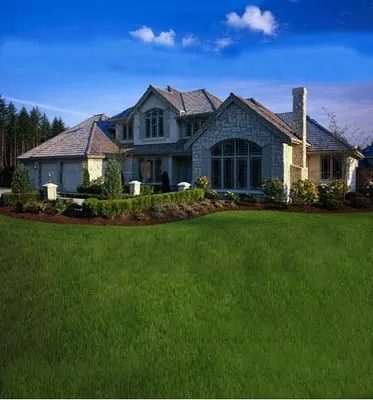
Green Acres Lawn Care is a licensed and insured lawn care service based in Plymouth, MN, specializing in comprehensive landscaping and snow removal for both residential and commercial properties. We p...
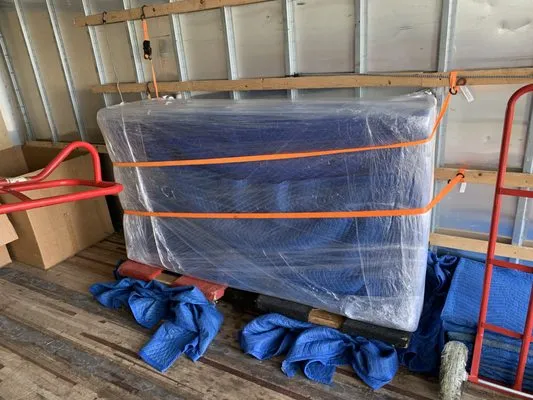
Tom's Help is a trusted, locally-owned service provider in Ramsey, Minnesota, specializing in junk removal, moving, and landscaping waste solutions. With deep roots in the community and years of hands...
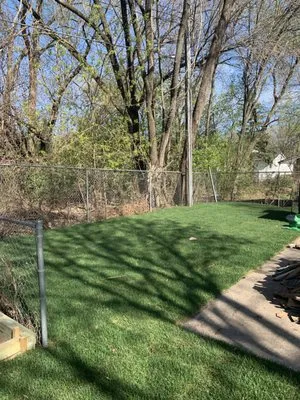
Moon Stars Landscaping is a Minneapolis-based, family-owned and operated business dedicated to transforming outdoor spaces. We believe your yard should be a personal retreat, and our team focuses on t...
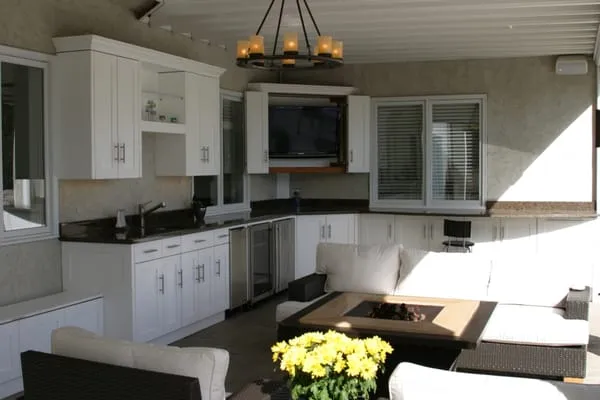
Outdoor Excapes is a Long Lake-based landscape and construction design/build firm dedicated to helping Twin Cities homeowners get the most enjoyment from their properties. We specialize in transformin...
Charleston's Outdoor Services
Charleston's Outdoor Services in Plymouth, MN, is a locally owned and operated business founded in 2010 by David Charleston. Starting with just a push mower and trimmer, the company has grown through ...
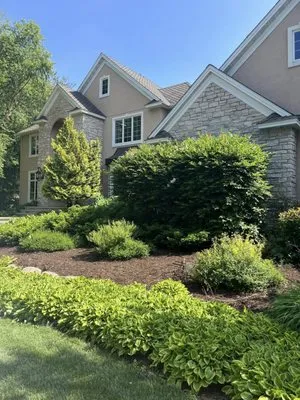
Northern Lawn Service
Northern Lawn Service is your local Sartell partner for dependable outdoor care, from seasonal maintenance to complex property projects. Founded in 2020 by owner Logan Nygaard, we're a community-focus...

Mama's Boy Lawn and Landscape
Mama's Boy Lawn and Landscape is a family-owned lawn and landscaping company serving Hanover, MN, and surrounding areas. We specialize in comprehensive outdoor care, including landscape maintenance, s...
Natural Creations
Natural Creations in Plymouth, MN, is a full-service landscaping company specializing in design, masonry, and concrete. We help local homeowners transform their outdoor spaces into functional, beautif...

Trinity Landscaping & Excavating
For over two decades, Trinity Landscaping & Excavating has been a trusted, family-owned partner for Corcoran and Central Minnesota. We blend deep-rooted local knowledge with practical expertise to han...
Estimated Landscaping Service Costs in Rogers, MN
Q&A
Why does my Rogers Village lawn struggle despite regular watering and fertilization?
Rogers homes built around 2001 sit on 25-year-old Mollisols/loam soil that has become compacted from construction and maintenance. This soil type naturally has a pH of 6.5-7.2 but loses permeability over time, restricting root growth and water infiltration. Core aeration and organic amendments like compost are essential to restore soil structure and microbial activity. Without these interventions, nutrients and water cannot reach grass roots effectively.
What solutions exist for poor drainage in Rogers' clay-heavy soil pockets?
Seasonal high water tables in Mollisols require permeable hardscapes like concrete pavers or crushed granite to enhance infiltration. These materials allow water to percolate into the soil rather than creating runoff. Installing French drains or dry wells can address persistent pooling issues. The Rogers Building and Planning Department approves such systems for meeting stormwater management standards.
What permits and licenses are needed for grading a 0.25-acre lot in Rogers?
Grading work requires a permit from the Rogers Building and Planning Department to ensure compliance with erosion control and runoff standards. Contractors must hold licensing through the Minnesota Department of Labor and Industry for excavation and soil disturbance. Professional oversight is crucial to address poor infiltration hazards and avoid fines. Proper documentation protects property value and environmental integrity.
Are concrete pavers a better choice than wood for Rogers patios and pathways?
Concrete pavers and crushed granite offer superior longevity with minimal maintenance compared to wood, which decays in Minnesota's climate. These materials align with moderate Firewise USA guidelines by creating defensible space without combustible elements. Their permeability supports drainage in clay-heavy soils. Proper installation ensures durability for decades, reducing replacement costs and fire risk.
Can I maintain Kentucky Bluegrass and Fine Fescue during Rogers' voluntary water conservation?
Yes, smart Wi-Fi ET-based weather sensing controllers optimize irrigation by using real-time evapotranspiration data. These systems adjust watering schedules based on temperature, humidity, and rainfall, reducing water use by 20-30% while preserving turf health. This approach aligns with Level 1 voluntary conservation by preventing overwatering. Properly calibrated controllers ensure deep root growth without exceeding municipal water limits.
What invasive species threaten Rogers landscapes, and how are they managed safely?
Common invaders like buckthorn or garlic mustard compete with natives and degrade soil health. Treatment involves mechanical removal or targeted herbicides applied during optimal growth phases. All methods must use phosphorus-free fertilizers as required by Minnesota law to protect water quality. Timing applications outside local blackout dates prevents regulatory violations while ensuring effective control.
How quickly can you respond to an emergency tree cleanup after a storm in Rogers?
Our electric fleet can dispatch from the Rogers Community Center within 20-30 minutes during peak storm response. We route via I-94 to minimize travel time while complying with the 7:00 AM to 10:00 PM noise ordinance. This efficiency ensures rapid debris removal for HOA compliance or safety hazards. Electric equipment operates quietly within decibel limits even during restricted hours.
How can I reduce lawn maintenance while supporting local ecology?
Replacing high-maintenance turf with native plants like Purple Coneflower, Little Bluestem, and Prairie Dropseed cuts mowing frequency and water needs. These species adapt to USDA Zone 4b and support 2026 biodiversity standards by attracting pollinators. Transitioning to electric maintenance equipment ahead of noise ordinance restrictions reduces emissions. This approach creates a resilient landscape that thrives with minimal intervention.
