Top Landscaping Services in Rochester, MN, 55901 | Compare & Call

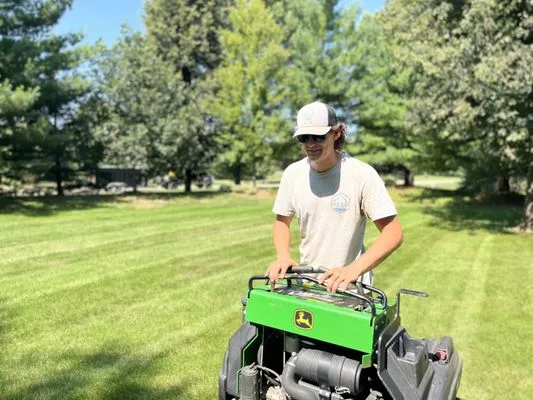
River Bluff Landscaping is a Rochester-based company founded in 2015, originally starting as a neighborhood snow removal service. Under the leadership of a UW-Madison graduate owner, it has grown into...

Dirty Deeds Done Dirt Cheap is a locally-owned Rochester business built on a foundation of service, family, and community. Founded by Tom May and now owned and operated by Afghanistan veteran Tony Sie...

Three Boys Lawn Care is a trusted, family-owned lawn and tree service provider proudly serving Rochester, MN, and the surrounding areas. We specialize in comprehensive lawn care, snow removal, and tre...

Jim Whiting Nursery & Garden Center
Since 1972, Jim Whiting Nursery & Garden Center has been a cornerstone of the Rochester, MN gardening and landscaping community. From our original small location off Highway 63 North, we've grown to o...
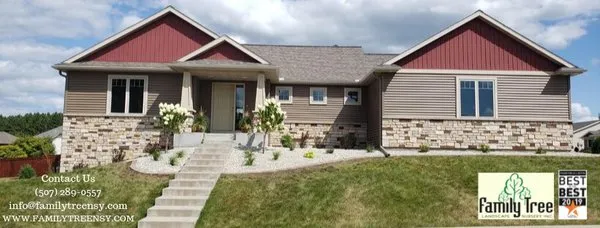
Family Tree Landscape Nursery Inc. is a family-owned business dedicated to enhancing the outdoor spaces of Rochester, MN, and the surrounding communities. With a professional landscape planner on staf...
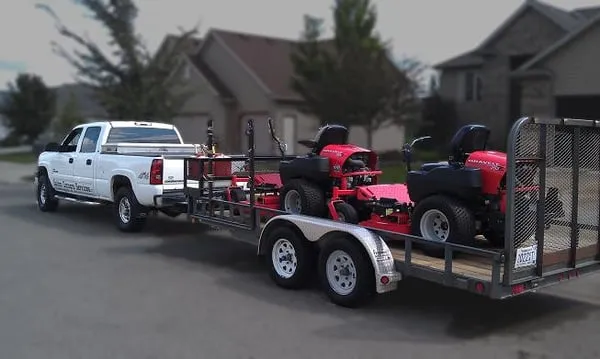
Salem Corners Services is a trusted, family-owned property maintenance provider serving Rochester, MN, since 2005. We understand the unique demands of our local climate, offering year-round solutions ...
Minnesota Nice Lawns is a local, Rochester-based lawn care provider dedicated to maintaining healthy, attractive outdoor spaces for our community. We offer a comprehensive suite of services, including...
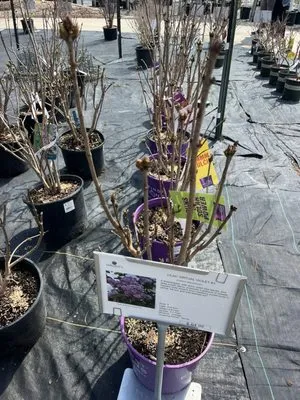
Sargent's Landscape & Nursery
Sargent's Landscape & Nursery is a family-owned Rochester institution, established in 1971 by Forrest Sargent. Now in its fourth generation, the business is run by the Sargent family, including Nick S...
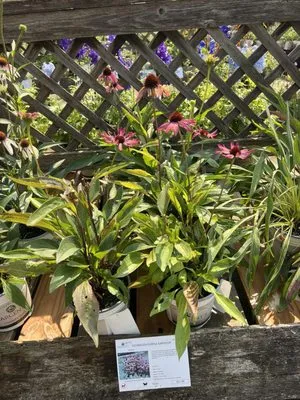
Sargent's On 2nd
Sargent's on 2nd in Rochester, MN, is part of a family legacy in gardening and landscaping that began in 1928. Founded locally by Forrest Sargent in 1971, the business has grown from a small lot into ...
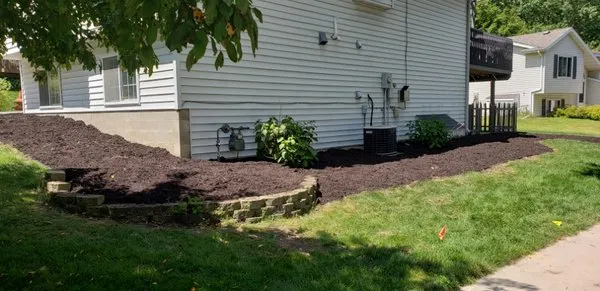
East Side Lawn and Snow in Rochester, MN is a locally-owned and operated outdoor services company with deep roots in the community. The business originated when an employee purchased part of the longs...
FAQs
Our yard has persistent standing water every spring. What's the best long-term solution?
High spring runoff is a chronic issue in Rochester due to the region's dense clay subsoils with low permeability. A foundational solution involves improving soil infiltration through aeration and amending with compost. For hardscape areas, replacing impervious surfaces with permeable concrete pavers or open-graded crushed limestone aggregate can significantly reduce surface runoff. These materials meet Rochester Community Development Department standards for managing stormwater on-site and will alleviate the pooling that damages turf and plant roots.
How do we keep our Kentucky Bluegrass lawn healthy during dry spells without violating water rules?
Rochester is currently under Stage 0 water restrictions, allowing for managed irrigation. The key is precision. We install and calibrate smart Wi-Fi ET-based controllers that use real-time local evapotranspiration data to schedule watering. This system applies only the exact water volume your specific turfgrass mix requires, preventing overwatering and runoff. This technology is the most effective method for maintaining turf health within municipal water conservation goals, even during periods of low rainfall.
The soil in our Kutzky Park yard seems heavy and compacted. Is this normal for our neighborhood?
Given Rochester's average home construction year of 1987, your 0.22-acre lot has nearly 40 years of soil maturity. This extended period of foot traffic and traditional lawn care on the area's native Mollisols and loam has likely led to significant compaction and a loss of organic matter. The dense, poorly drained clay subsoils common here exacerbate this issue. Core aeration every 1-2 years, combined with top-dressing compost, is essential to restore soil structure, improve permeability, and support a healthy root zone for your turf.
We've spotted creeping Charlie and buckthorn. How should we handle these invasives?
Creeping Charlie and common buckthorn are prevalent invasive species in Zone 4b that outcompete desirable plants. Effective control requires a targeted, integrated approach. For buckthorn, mechanical removal is often necessary, followed by careful herbicide application to stumps to prevent regrowth. For broadleaf weeds like creeping Charlie, selective post-emergent herbicides can be used, but timing is critical to avoid Minnesota's statewide phosphorus ban blackout dates for turf areas. Always prioritize fall applications for perennial weed control when plants are translocating nutrients to their roots.
We have storm damage that needs immediate attention to meet HOA standards. How quickly can a crew arrive?
For emergency cleanup and compliance, our standard peak storm response window is 20-30 minutes to Kutzky Park. We dispatch from a central location near the Mayo Clinic St. Marys Campus, using US-52 for direct access. All service vehicles are part of our electric fleet, which complies with local noise ordinances and allows for extended operational hours if needed to secure the property and mitigate hazards promptly.
We're adding a patio. Are concrete pavers a better choice than wood decking for our climate?
For longevity and low maintenance in Minnesota's freeze-thaw cycles, concrete pavers are superior to wood. They offer exceptional durability, do not rot or splinter, and their modular installation allows for frost heave movement without cracking. While Rochester's urban setting has a low Firewise rating, non-combustible materials like pavers or crushed limestone aggregate also contribute to defensible space. A properly installed paver base with adequate compaction and drainage will outlast wood by decades with minimal upkeep.
Do we need a permit to regrade our backyard for better drainage?
Yes, significant grading that alters water flow or involves moving more than a minimal amount of soil typically requires a permit from the Rochester Community Development Department. On a 0.22-acre lot, such work can impact neighboring properties and municipal storm systems. Furthermore, this type of earthwork must be performed by or under the supervision of a contractor licensed by the Minnesota Department of Labor and Industry. This ensures the work complies with building codes, protects you from liability, and guarantees proper engineering for long-term drainage performance.
We're tired of weekly mowing and gas blower noise. Are there lower-maintenance, quieter options?
Absolutely. Transitioning sections of high-input turf to a planting of Rochester-native species like Purple Coneflower, Little Bluestem, and Prairie Dropseed creates a resilient, biodiverse landscape. Once established, these deep-rooted plants require no watering, mowing, or chemical inputs, and they provide critical habitat. This shift aligns with evolving 2026 standards, reduces your carbon footprint, and preemptively addresses tightening municipal noise ordinances regarding gas-powered maintenance equipment.
