Top Landscaping Services in Richfield, MN, 55423 | Compare & Call
There are 197 landscaping companies server in Richfield MN
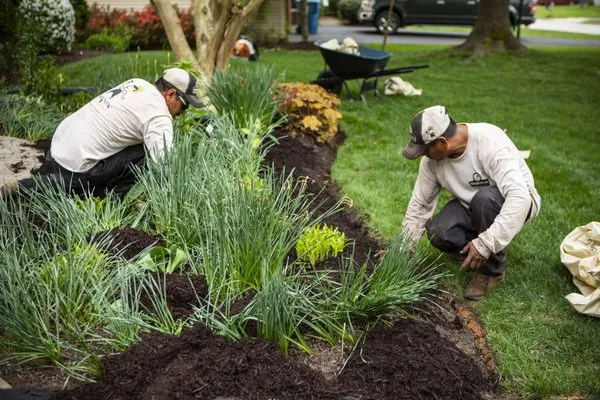
Wolff & Adams Landscaping is a Saint Paul-based team of designers and builders dedicated to transforming Twin Cities yards into personalized outdoor retreats. We approach each project as a partnership...

Tomford Landscaping
Tomford Landscaping is a licensed landscape contractor serving Stacy, MN, and the wider Twin Cities area since 2005. We specialize in transforming outdoor spaces with comprehensive services including ...
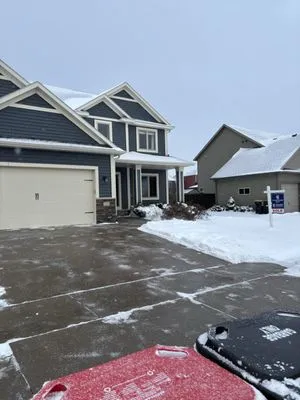
Bloom & Blade Property Maintenance is a Minneapolis-based company dedicated to keeping your property looking its best and functioning safely through every Minnesota season. We understand the unique ch...
Ace Landscape is a trusted Minneapolis-based landscape design and installation firm dedicated to solving the specific challenges local homeowners face, such as uneven sprinkler coverage and persistent...
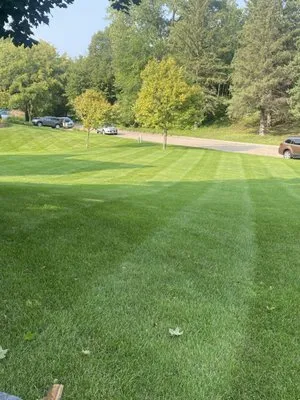
Peterson Lawn Services is a Hopkins-based lawn care and landscaping company with over 16 years of experience serving residential and commercial properties in the western Twin Cities suburbs. Founded b...
Luxury Lawns Landscaping
Luxury Lawns Landscaping is a locally owned and operated contractor serving Plymouth, MN, and the surrounding communities since 1994. Our foundation is built on a deep understanding of outdoor living,...
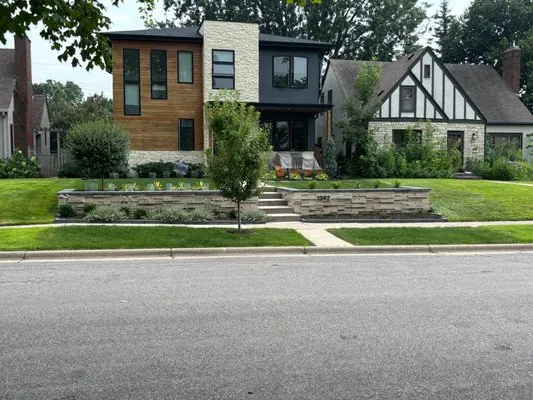
At bioLawn in Newport, MN, our story is rooted in a lifelong passion for turfgrass that began on childhood golf courses and grew into careers serving lawns, sports fields, and golf courses nationwide....

Landscape Complete LLC has been a trusted full-service landscaping provider in the Twin Cities and surrounding suburbs for nearly two decades. Our team of trained professionals offers comprehensive so...
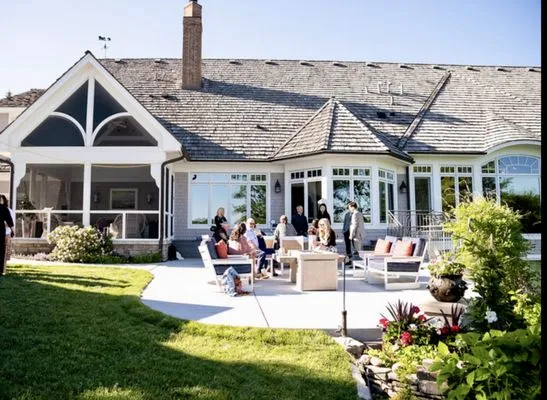
Redpath Gardens is a Minneapolis-based landscaping company founded in 2012 by Molly Jaffray, who holds a Master's degree in Horticultural Science from the University of Minnesota. With over a decade o...
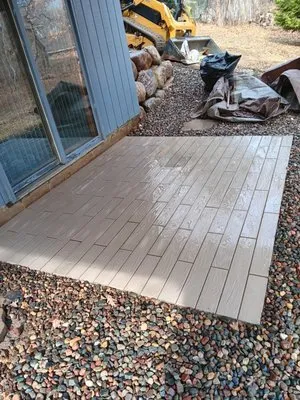
Nate's Custom Patios is a Lakeville-based landscaping and masonry business with 25 years of hands-on experience in the industry. Owner Nate has worked extensively as a laborer and foreman, bringing pr...
Estimated Landscaping Service Costs in Richfield, MN
FAQs
Are concrete pavers better than wood for Richfield properties?
Concrete retaining wall blocks provide 50+ year durability versus wood's 10-15 year lifespan in Minnesota's freeze-thaw cycles. Their non-combustible nature supports Richfield's low urban fire risk profile while creating defensible space. Interlocking systems accommodate soil movement without failure, and modern manufacturing produces 40% recycled content options. Proper base preparation with permeable aggregates ensures longevity while meeting accessibility standards for aging-in-place designs.
How quickly can you respond to storm damage for HOA compliance?
Emergency cleanup crews dispatch from Veterans Memorial Park via I-35W, reaching Richfield Central properties within 20-30 minutes during peak conditions. Our electric maintenance fleet operates within Richfield's 7:00 AM to 9:00 PM noise ordinance for gas equipment, allowing immediate response without violation. We prioritize safety assessments, debris removal, and temporary stabilization to meet municipal deadlines while coordinating with property managers for permanent restoration.
What permits and licenses are needed for grading my 0.19-acre lot?
The Richfield Community Development Department requires grading permits for soil movement exceeding 50 cubic yards on 0.19-acre parcels. Contractors must hold Minnesota Department of Labor and Industry licensing for excavation work, ensuring proper erosion control and utility locating. Licensed professionals carry insurance covering subsurface damage risks and guarantee restoration to original contours. Unpermitted grading risks fines up to $2000 plus mandatory restoration costs, particularly near property lines where drainage patterns affect neighbors.
Why does my Richfield Central lawn have drainage issues despite regular care?
Richfield Central properties average 68 years of soil development since 1958 construction, creating compacted neutral silt loam with reduced permeability. This soil type naturally settles over decades, restricting water infiltration and root penetration. Core aeration every 1-2 years introduces oxygen channels while top-dressing with composted organic matter improves soil structure. Mature urban soils require these interventions to maintain healthy turf and prevent seasonal water table issues common in our area.
Can I maintain Kentucky Bluegrass during Stage 1 water restrictions?
Wi-Fi ET-based weather sensing irrigation automatically adjusts schedules using real-time evapotranspiration data, reducing water use 20-40% while preserving turf health. This technology calculates precise moisture needs for your Fine Fescue mix based on temperature, humidity, and solar radiation. Programming deep, infrequent watering cycles encourages deeper root growth and drought tolerance. Municipal conservation goals align with these systems, which often qualify for Richfield water utility efficiency rebates.
What solutions address moderate runoff in my silt loam soil?
Seasonal high water tables in neutral silt loam require graded swales directing runoff toward permeable concrete paver systems. These hardscape materials achieve 30-50% infiltration rates, meeting Richfield Community Development Department stormwater standards. Subsurface French drains with clean gravel layers provide additional capacity during spring thaw. Integrating native plant bioswales with Little Bluestem further manages runoff while supporting local biodiversity targets.
Should I replace high-maintenance turf with native plants?
Transitioning Kentucky Bluegrass to Purple Coneflower, Wild Bergamot, and Butterfly Milkweed meadows reduces mowing frequency from weekly to twice annually. This approach minimizes gas-powered equipment use ahead of anticipated noise ordinance tightening. Native plant communities establish deep root systems exceeding eight feet, sequestering carbon while requiring no synthetic inputs. Richfield's urban heat island effect decreases with these plantings, which also support 2026 pollinator corridor initiatives.
How do I control invasive species without phosphorus fertilizer?
Early detection of buckthorn or garlic mustard requires mechanical removal before seed set, followed by organic corn gluten applications for pre-emergent control. Minnesota's phosphorus ban necessitates soil testing to identify specific nutrient deficiencies, then using mycorrhizae inoculants and slow-release nitrogen sources. Treatment timing avoids municipal blackout dates while supporting soil biology. Regular monitoring prevents re-establishment without violating fertilizer ordinances that protect local watersheds.
