Top Landscaping Services in Rice Lake, MN, 55803 | Compare & Call

There are 66 landscaping companies server in Rice Lake MN
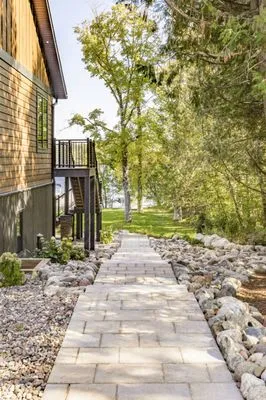
Miller Creek Lawn & Landscape
Miller Creek Lawn & Landscape is a Hermantown-based, full-service landscaping company with deep local roots. Founded in 1987 by Troy Grohsman as Neighborhood Yard Care, the business grew from a teen's...

Northern Pines Landscaping & Design is a trusted Duluth-based landscaping company specializing in creating and maintaining beautiful, resilient outdoor spaces tailored to Minnesota's unique climate. W...
Amity Creek Landscaping has been a trusted name in Duluth, MN since 1982, providing comprehensive landscaping solutions for both residential and commercial properties. We specialize in transforming ou...
Prime Landscapes is a Duluth-based landscaping company specializing in comprehensive outdoor solutions for both residential and commercial properties. With expertise in snow removal, lawn care, and ar...

Alex Landscaping And Tree Trimming Service is a Duluth-based company dedicated to enhancing and maintaining outdoor spaces for local homeowners and businesses. We provide a comprehensive range of serv...
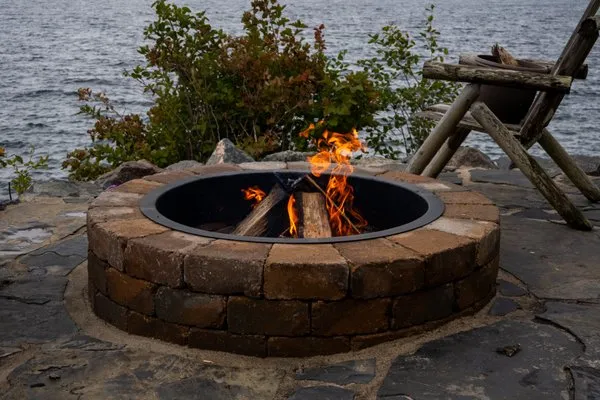
CHS Superior Landscaping
CHS Superior Landscaping is a certified landscaping company based in Hermantown, MN, serving the greater Twin Ports area since 2020. Specializing in lawn services, landscape design, and snow removal, ...
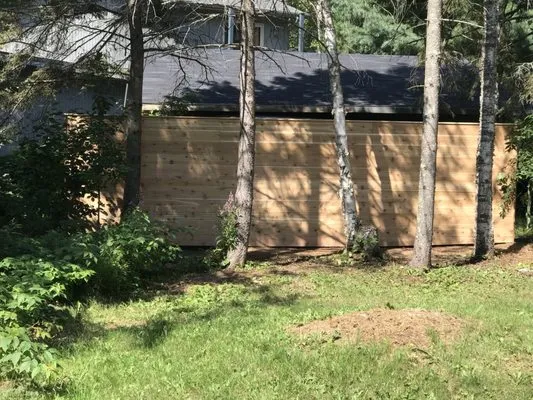
Aspen Custom Contractors is a full-service contractor serving Duluth, MN, and the surrounding Northern Minnesota and Wisconsin communities. We specialize in both residential and commercial projects, o...
Tim's Landscaping & Sump Pump Installation is a trusted local business in Duluth, MN, specializing in comprehensive landscaping solutions and sump pump services. We help Duluth homeowners address comm...

Am Lawn Care and Snow Removal is a trusted, locally-owned service provider in Duluth, MN, specializing in comprehensive lawn care and reliable snow removal. We understand the unique challenges Duluth ...
Pionk Scott Sodding & Landscaping is a locally owned and operated business serving Hermantown, MN, and the greater Duluth-Superior area since 2005. With over 25 years of combined experience, we specia...
Estimated Landscaping Service Costs in Rice Lake, MN
FAQs
Why does my Rice Lake Estates lawn struggle despite regular care?
Rice Lake Estates properties built around 1988 have 38-year-old soil profiles. Acidic sandy loam (pH 5.5-6.5) naturally develops compaction layers from decades of foot traffic and equipment weight. This soil type requires annual core aeration to improve oxygen exchange and water infiltration. Incorporating organic amendments like composted leaf mold addresses nutrient leaching common in sandy substrates while gradually adjusting pH toward optimal turfgrass ranges.
How do I prevent spring melt flooding in my yard?
Seasonal runoff exacerbates poorly drained clay lenses beneath acidic sandy loam. Installing French drains with crushed granite aggregate improves subsurface permeability while maintaining soil structure. The Rice Lake Planning & Zoning Department requires permeable hardscapes like precast concrete pavers with joint spacing that meets runoff reduction standards. Grading adjustments directing water away from foundations typically resolve 80% of drainage issues in 0.45-acre lots with proper slope calculations.
What alternatives reduce mowing and gas equipment use?
Replacing high-maintenance turf with native plantings like Canada Anemone, Wild Columbine, and Big Bluestem creates low-input landscapes. These species establish deep root systems that stabilize sandy soils while requiring minimal irrigation once established. Transitioning to electric maintenance equipment addresses noise ordinance concerns while eliminating fossil fuel dependence. Serviceberry and Purple Coneflower provide seasonal interest while supporting local pollinator populations ahead of 2026 biodiversity benchmarks.
Should I install irrigation despite no water restrictions?
Soil moisture sensor-based drip systems conserve 30-50% more water than traditional sprinklers while maintaining Kentucky Bluegrass and Fine Fescue mixes. These systems apply water directly to root zones at optimal soil tension levels, preventing evaporation losses common in sandy loam. Municipal conservation programs often provide rebates for smart irrigation technology, making installation cost-effective while preparing for potential future water regulations as climate patterns shift.
What permits are needed for landscape grading projects?
The Rice Lake Planning & Zoning Department requires grading permits for soil movement exceeding 50 cubic yards on 0.45-acre lots. Minnesota Department of Labor and Industry licensing ensures contractors understand subsurface drainage regulations and erosion control measures. Professional certification demonstrates competency in managing clay lens interference and proper slope stabilization. Unlicensed grading often violates municipal runoff standards and may require costly remediation to correct improper water diversion patterns.
How quickly can you respond to storm damage for HOA compliance?
Emergency cleanup crews dispatch from Rice Lake City Hall via US-53 with 25-35 minute peak response times. This routing avoids residential congestion while maintaining accessibility to Rice Lake Estates. Teams prioritize safety assessments before debris removal, coordinating with property managers to meet HOA vegetation management deadlines. Electric equipment operates within standard decibel limits (7:00 AM - 9:00 PM) to minimize neighborhood disruption during restoration.
Are crushed granite paths better than wood for fire safety?
Crushed granite provides non-combustible surfacing that meets Moderate Fire Wise Rating (WUI Zone 2) requirements for defensible space. Unlike wood decking that requires chemical treatments, granite maintains structural integrity through freeze-thaw cycles while allowing water infiltration. Precast concrete pavers offer similar fire-resistant properties with higher load-bearing capacity for vehicle access areas. Both materials reduce maintenance compared to organic options while complementing native plant palettes.
How do I control invasive species without chemical runoff?
Buckthorn and garlic mustard pose significant invasion risks in Zone 4a ecosystems. Manual removal during early growth stages prevents seed bank establishment without violating Minnesota's phosphorus ban. Targeted spot treatments using glyphosate alternatives maintain soil microbial health while protecting nearby natives. Timing interventions before peak mulching season in early May maximizes effectiveness while avoiding fertilizer ordinance blackout periods that protect Rice Lake watersheds.
