Top Landscaping Services in Rice, MN, 56367 | Compare & Call


H&S Tree Trimming is a locally owned and operated tree service company proudly serving Rice, MN, and the surrounding St. Cloud area since 2019. We specialize in comprehensive tree and shrub care, incl...

Veteran Lawn Care in Rice, MN is a locally owned lawn service business founded on military values of trust, integrity, and reliable service. Owner John started the company in 2010 after helping neighb...

Load'r Up is a full-service, year-round operation based in Rice, MN, dedicated to handling a wide range of property needs. We take genuine pride in delivering work that consistently exceeds expectatio...
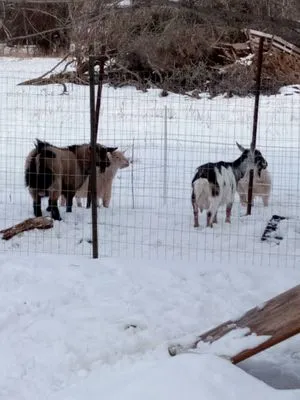
Graze N Go Goat's is a Rice-based landscaping company offering comprehensive lawn and shrub care. We specialize in irrigation repair and maintenance, landscape upkeep, and expert shrub services—from p...

Bkp Services is your trusted, local partner for year-round outdoor maintenance in Rice, MN. Specializing in comprehensive lawn care and reliable snow removal, we understand the unique challenges of ma...
Scotts Lawn & Snow Service is a trusted, locally-owned provider in Rice, MN, dedicated to keeping your property beautiful and functional year-round. We understand the specific challenges Rice homeowne...
Ethical Tree Care is a trusted tree service and landscaping company serving Rice, MN, and the surrounding area. We specialize in professional tree care, including pruning, trimming, and safe removal, ...
Question Answers
How can I prevent water pooling and frost heave damage on my property?
Sandy loam's high permeability combined with seasonal frost heave creates challenging drainage conditions in Rice. Installing permeable hardscapes like concrete pavers with crushed granite bases allows water infiltration while meeting Benton County Planning & Zoning runoff standards. French drains or dry wells placed in low-lying areas redirect surface water, and grading adjustments of just 2% slope away from foundations prevent water accumulation. These solutions address both permeability issues and frost-related soil movement.
How do I manage invasive species without using restricted fertilizers?
Common invasive alerts in Rice include creeping Charlie and Canada thistle, which thrive in disturbed sandy loam soils. Mechanical removal combined with targeted organic treatments avoids violating Minnesota's Phosphorus Fertilizer Law, which prohibits phosphorus application on established lawns. Timing interventions before early May mulching peak prevents weed seed dispersal, while corn gluten meal applications in early spring provide natural pre-emergent control. Always verify treatment dates against local ordinance blackout periods for chemical applications.
What permits and licenses are required for landscaping projects on my 0.35-acre lot?
Grading or earth-moving projects on 0.35 acres typically require permits from Benton County Planning & Zoning, especially when altering drainage patterns or adding impervious surfaces. Contractors must hold appropriate licensing through the Minnesota Department of Labor and Industry, with specific classifications for excavation and landscape construction. Professional licensing ensures compliance with state regulations regarding erosion control, property line setbacks, and stormwater management. Always verify contractor credentials before beginning work that modifies your property's topography.
Are concrete pavers better than wood for durability and fire safety?
Concrete pavers and crushed granite offer superior longevity to wood in Rice's climate, with 25+ year lifespans versus wood's 10-15 years with maintenance. These materials maintain structural integrity through freeze-thaw cycles better than wood alternatives. For fire safety, non-combustible hardscapes contribute to defensible space in Rice's low fire-wise rating residential urban interface. Properly installed permeable pavers also manage runoff more effectively than solid surfaces, meeting both durability and environmental standards.
What's the most efficient way to water my Kentucky Bluegrass lawn in Rice's climate?
Smart Wi-Fi soil moisture sensor controllers optimize irrigation by monitoring actual soil conditions rather than following fixed schedules. These systems adjust watering based on evapotranspiration rates and precipitation, maintaining turf health while conserving water under Rice's voluntary conservation guidelines. Properly calibrated controllers can reduce water use by 30-50% compared to traditional timers, keeping Kentucky Bluegrass and Fine Fescue healthy through Minnesota's variable growing seasons without exceeding municipal water limits.
Why does my lawn in Rice City Center have drainage issues and poor soil quality?
Rice lots built around 1951 have 75-year-old soil that has become compacted and nutrient-depleted. Sandy loam soil with pH 6.2-6.8 naturally has high permeability, but decades of foot traffic and traditional maintenance have reduced soil structure. Core aeration every 2-3 years combined with organic amendments like composted leaf mold will improve water retention and microbial activity. This addresses the seasonal frost heave common in Benton County while supporting healthier turf establishment.
What are low-maintenance alternatives to traditional turf grass for my yard?
Transitioning to native plantings like Little Bluestem, Butterfly Milkweed, Wild Bergamot, and Prairie Dropseed reduces maintenance while supporting local biodiversity. These species require minimal watering once established and eliminate weekly mowing during May-September. Native landscapes also align with evolving municipal regulations, as electric equipment for native bed maintenance operates quietly within standard quiet hours. This approach creates habitat for pollinators while reducing carbon emissions from gas-powered maintenance equipment.
How quickly can you respond to emergency storm damage cleanup in Rice?
Our electric maintenance fleet can dispatch from Rice City Hall within 30 minutes during peak hours, traveling via US Highway 10 to reach most Rice City Center properties. This response time accommodates municipal quiet hours from 10 PM to 7 AM while addressing immediate safety hazards like downed branches. We prioritize HOA compliance issues and storm debris removal with equipment that meets current noise ordinance standards for residential areas.
