Top Landscaping Services in Ravenna, MN, 55033 | Compare & Call
There are 172 landscaping companies server in Ravenna MN
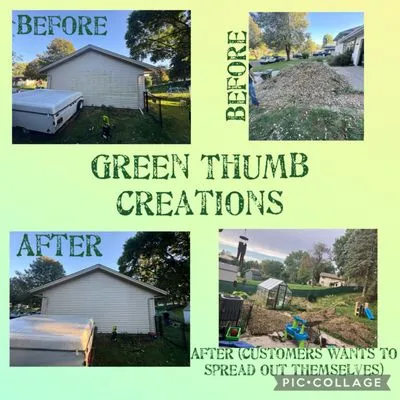
Green Thumb Creations, owned by Arianna, is a dedicated Cottage Grove business focused on turning outdoor spaces into points of pride. We handle a wide range of projects, from comprehensive lawn care ...
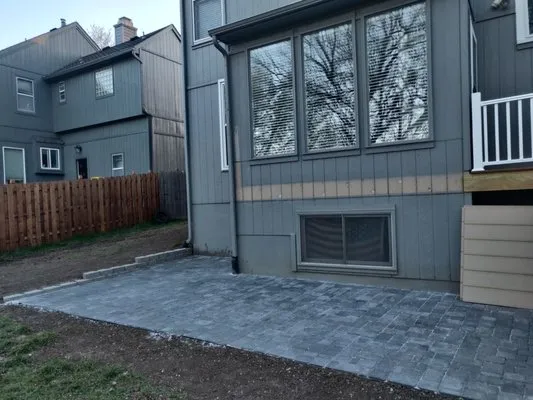
Haas Hardscapes & Demo is a Minneapolis-based landscaping and construction company with over 20 years of local experience. Founded right after college, owner John Haas has built expertise across all a...
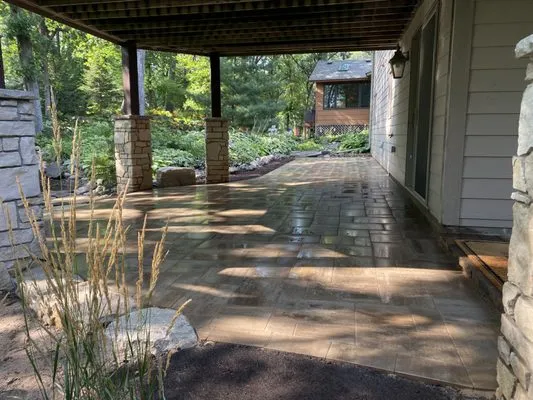
Friedrich Landscape
Friedrich Landscape is a Maplewood-based landscaping company founded and operated by Alex, who brings both academic expertise and hands-on experience to every project. After starting the business in h...
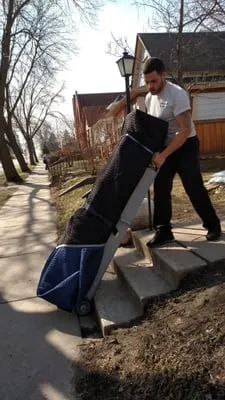
Strong As A Bull Labor Services is a Saint Paul family-owned business built on decades of local grit. Founded nearly 30 years ago by Benjamin Sr., whose work in concrete earned him the 'Strong As A Bu...
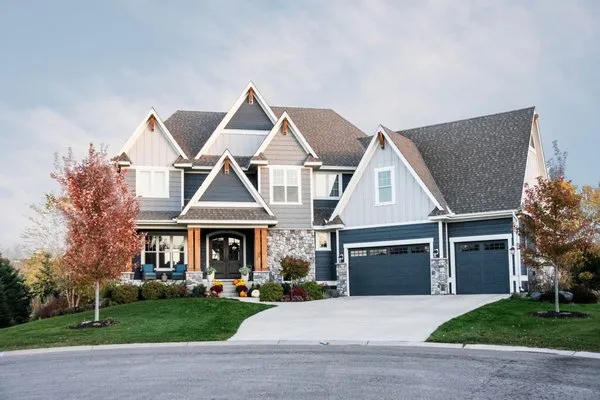
Landscapes Unlimited
Landscapes Unlimited is a family-owned and operated landscaping design and build company serving Saint Paul Park and the Twin Cities area since 2008. Founded by Chris Holmgren, who brings over 15 year...
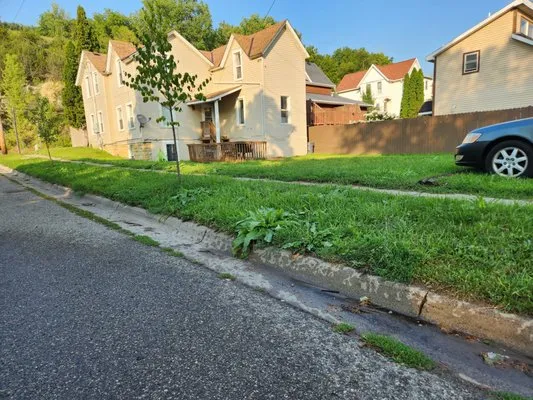
Ryan's Hyper Lawn Care is an independently owned landscaping company in Red Wing, Minnesota, built from the ground up by owner Ryan. With a passion for lawn care that started when he was taught to mow...
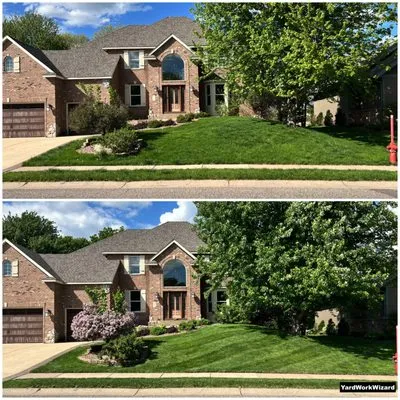
YardWorkWizard is a locally owned and operated lawn care service based in South Saint Paul, MN, dedicated to providing reliable yard maintenance for residents throughout the Twin Cities and suburbs. F...
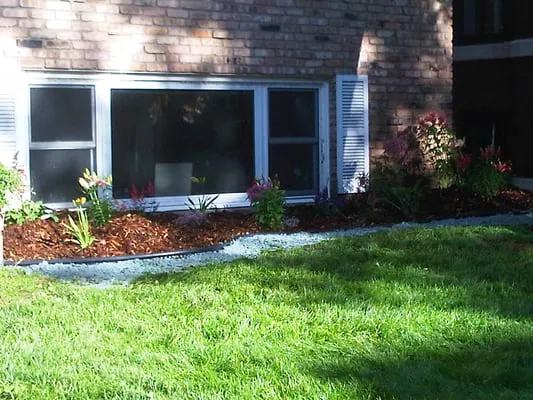
No Mow No Snow Landscapes is a dedicated local landscaping and snow removal service based in White Bear Lake, Minnesota, serving the Saint Paul area. We specialize in comprehensive landscape construct...

CNT Lawn Care & Snow Removal is a trusted, locally-owned service provider in Saint Paul, MN, specializing in year-round outdoor maintenance. We offer professional snow removal to keep your property sa...

Founded in 2020, Junk Of All Trades is a family-owned Saint Paul company built on reliability and community. We started during the pandemic to help Twin Cities residents and businesses manage their pr...
Estimated Landscaping Service Costs in Ravenna, MN
Common Questions
What solutions exist for seasonal water table issues in Ravenna's silty loam soils?
Seasonal high water tables in silty loam require engineered drainage solutions that address poor infiltration rates. French drains with clean stone aggregate and geotextile fabric provide subsurface water movement, while permeable concrete pavers create surface infiltration zones. Dakota County Planning & Zoning Department requires runoff calculations showing 90% retention for new installations. For existing properties, dry wells connected to downspouts can manage 1,000-2,000 gallons during spring melt events.
Why does my Ravenna Township lawn have such compacted soil that needs annual aeration?
Ravenna Township lots developed around 1986 have 40-year-old soil profiles that show typical silty loam degradation. This soil type naturally compacts over decades, reducing permeability to 0.5 inches per hour or less. Core aeration every 2-3 years introduces oxygen channels while top-dressing with composted organic matter rebuilds soil structure. Without these interventions, water infiltration decreases by approximately 30% annually, creating runoff issues during spring thaws.
Can I maintain healthy turf while following Ravenna's water conservation guidelines?
Stage 1 voluntary conservation allows efficient irrigation when paired with smart Wi-Fi soil moisture sensors. These devices monitor soil moisture at 4-inch and 8-inch depths, triggering irrigation only when Kentucky bluegrass and fine fescue blends reach 50% depletion. This ET-based approach reduces water use by 25-40% compared to traditional schedules. During peak summer months, we recommend deep, infrequent watering cycles that encourage deeper root growth and drought resistance.
How quickly can you respond to emergency storm damage on my rural residential property?
Emergency cleanup crews dispatch from Ravenna Town Hall via US-61, reaching most Township properties within 45-60 minutes during peak response windows. Our electric equipment fleet operates within the 7:00 AM to 9:00 PM noise ordinance without restrictions. For HOA compliance issues requiring immediate attention, we maintain dedicated routing that prioritizes properties with safety hazards first, then addresses aesthetic concerns within 24-48 hours depending on storm severity.
Are permeable pavers better than wood for Ravenna's fire-wise landscape requirements?
Crushed granite and permeable concrete pavers provide superior fire resistance compared to wood hardscapes in Moderate WUI Zone 2 areas. These non-combustible materials maintain defensible space while allowing 3-5 inches per hour infiltration rates. Wood structures require annual fire-retardant treatments and still pose ember ignition risks. Permeable systems also meet Dakota County's runoff management standards without additional drainage infrastructure, lasting 25+ years versus wood's 8-12 year lifespan with maintenance.
What permits and licenses are needed for grading work on my 2.5-acre property?
Grading projects exceeding 100 cubic yards of soil movement require Dakota County Planning & Zoning Department permits with engineered erosion control plans. Contractors must hold Minnesota Department of Labor and Industry licensing for earthwork exceeding 5,000 square feet. On 2.5-acre lots, this typically triggers both grading and drainage permits, plus potential wetland delineation if working within 50 feet of water features. Unlicensed grading can result in $10,000+ fines and mandatory restoration orders.
How do I manage invasive species without violating fertilizer restrictions?
Buckthorn and garlic mustard pose significant threats in Ravenna's woodland edges, requiring targeted treatment during spring emergence. Mechanical removal before seed set in May avoids chemical applications during sensitive periods. For persistent infestations, spot treatments with glyphosate alternatives can be applied outside the Minnesota Phosphorus Fertilizer Law blackout dates. Always maintain 10-foot buffers from water features when treating, and document all applications for county inspection compliance.
Should I replace high-maintenance turf with native plants given upcoming equipment regulations?
Transitioning to Big Bluestem, Butterfly Milkweed, Prairie Dropseed, and Wild Bergamot reduces maintenance frequency by 70% while providing year-round habitat. These deep-rooted natives require no mowing, eliminating gas equipment use ahead of potential phase-outs. Established native plantings need only seasonal cutting back with electric tools, staying well within noise ordinance hours. The conversion also increases pollinator habitat density from 2-3 species per acre to 15-20 species.
