Top Landscaping Services in Princeton, MN, 55371 | Compare & Call

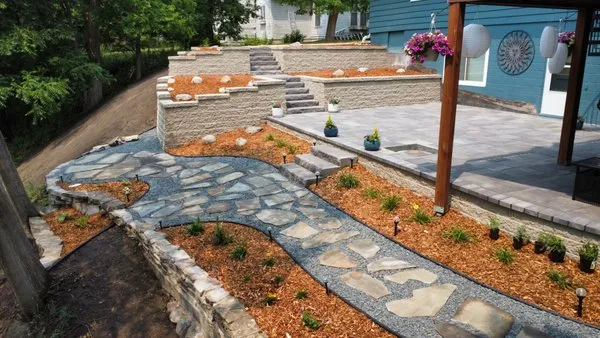
Rejuvenate Landscaping and Design
Rejuvenate Landscaping & Design was founded in Princeton by Cory Hicks, a combat veteran who applies military values of integrity and attention to detail to every project. With a background in the ind...
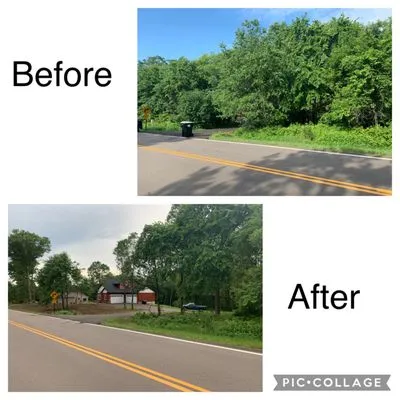
Jake's Top Notch Tree Service
Jake's Top Notch Tree Service, based in Princeton, MN, is a locally owned and operated arboriculture company with over 12 years of dedicated experience serving the greater Minneapolis area. We special...
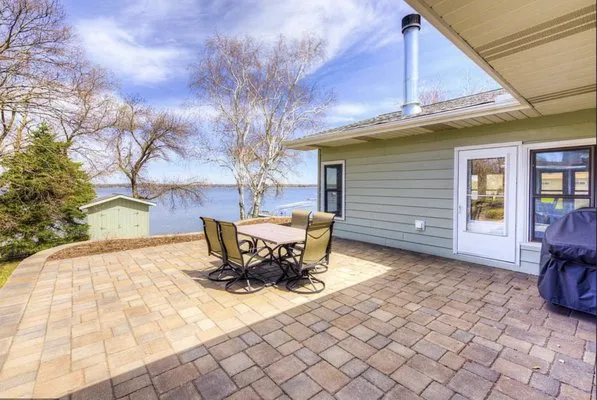
As the owner and operator of Innovative Landscapes, Brett Kippley brings over a decade of hands-on landscaping experience to Princeton and Central Minnesota. For the past six years, through this busin...
Biros Property Care is your trusted local handyman and property maintenance service in Princeton, MN. We specialize in comprehensive solutions for homeowners, including handyman assembly, repair, and ...
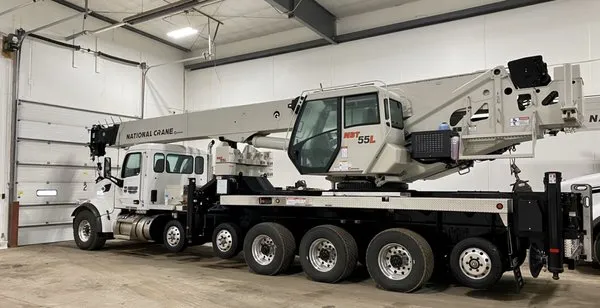
For over 28 years, Northland Crane Service has been the trusted provider for crane operation and heavy equipment transportation in Princeton, Minneapolis, St. Paul, and across Minnesota. Recognized as...

Leafs Lawn Care is a dedicated local lawn service provider in Princeton, MN, focused on maintaining healthy, beautiful yards throughout the community. We understand the specific challenges Princeton h...

Sylva Corporation has been a trusted landscaping partner in Princeton since 1997. Originally a wholesale supplier of bulk mulches, we've grown to offer comprehensive solutions for both residential and...
Muonio Brothers Landscape
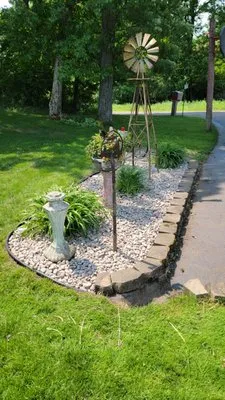
Muonio Brothers Landscape is a family-owned and operated company dedicated to transforming Princeton, MN yards into beautiful and enduring outdoor living spaces. We believe a well-crafted landscape sh...

Alpha Outdoor Solutions is your trusted, local partner in Princeton, MN, for comprehensive outdoor services. We specialize in professional pest control, precise excavation, and meticulous lawn care to...

Elevate Outdoor Solutions is a Princeton-based irrigation and lawn services company dedicated to enhancing outdoor spaces in our local community. We specialize in irrigation construction, design, repa...
Question Answers
Our Northland Heights neighborhood was built around 1977, and my lawn just isn't thriving like it used to. What's the underlying issue?
Properties built around 1977 have nearly 50 years of soil maturity, which often means severe compaction. The original sandy loam topsoil has been lost to erosion, exposing dense, nutrient-poor subsoil with poor permeability. This compaction restricts root growth and water infiltration, creating anaerobic conditions. Core aeration paired with incorporating 1-2 inches of compost is critical to rebuild soil structure and reintroduce beneficial biology.
I'm building a new patio and fire pit area. Is wood or stone a better choice for longevity and safety?
For longevity and fire safety, inorganic materials like concrete pavers or crushed granite are superior to wood. They are non-combustible, which is crucial for maintaining defensible space in Princeton's Moderate (Zone 2) Firewise rating. These materials also resist decay, insect damage, and require no chemical treatments. A properly installed paver patio with a polymeric sand joint can last decades with minimal maintenance, unlike wood which requires constant sealing and replacement.
I'm tired of weekly mowing and the noise. Are there lower-maintenance, quieter landscape options?
Replacing high-maintenance turf with a native plant community is the definitive solution. Species like Little Bluestem, Butterfly Milkweed, and Purple Prairie Clover require no mowing, minimal water once established, and provide superior habitat. This transition ahead of potential gas-powered equipment restrictions reduces noise and fossil fuel use. An electric maintenance fleet for occasional trimming operates quietly within the 7:00 AM to 9:00 PM ordinance window.
I want a green lawn but don't want to waste water. How can I manage irrigation efficiently without town restrictions?
Even without mandatory restrictions, efficient water use is key. Installing smart Wi-Fi soil moisture sensor controllers is the best practice. These devices automatically adjust irrigation schedules based on real-time evapotranspiration (ET) data and soil conditions, preventing overwatering. This system maintains your Kentucky Bluegrass and Fine Fescue mix with 30-50% less water than traditional timers, aligning with voluntary conservation goals.
I've spotted what looks like Creeping Bellflower and Buckthorn seedlings. How do I deal with them safely?
Creeping Bellflower and Buckthorn are aggressive invasive species that outcompete natives. Manual removal is best for small patches, ensuring all root fragments are extracted. For larger infestations, a targeted, systemic herbicide applied in late summer or fall is most effective. All treatments must use phosphorus-free fertilizers as mandated by state law, and applications should avoid spring runoff periods to protect local waterways.
Part of my yard stays soggy for days after rain, while other areas dry quickly. What's causing this and how do I fix it?
This is a classic symptom of Princeton's variable soil profile, where sandy loam overlays pockets of dense clay, creating a seasonal high water table. The clay acts as a barrier, causing poor infiltration and surface pooling. The solution is a French drain system to intercept subsurface water. For new patios, using permeable concrete pavers or an open-graded crushed granite base can meet Planning and Zoning Department runoff standards by allowing water to percolate.
I want to regrade part of my 0.35-acre lot to improve drainage. What permits and contractor qualifications do I need?
Regrading that alters water flow typically requires an erosion control permit from the Princeton Planning and Zoning Department. For a lot of this size, the work must be performed by a contractor licensed by the Minnesota Department of Labor and Industry. This ensures they carry proper insurance and adhere to state building codes. Unlicensed grading can lead to code violations, neighbor disputes over runoff, and significant liability issues.
A storm knocked down a large limb and my HOA gave me a 48-hour compliance notice. What's the fastest response time for emergency cleanup?
For emergency storm cleanup, we dispatch from the Princeton Civic Center via US Highway 169, reaching Northland Heights in 20-30 minutes during peak hours. The crew can immediately secure the site, process the debris through a chipper, and haul it away. This rapid response ensures you meet the HOA deadline and mitigates any safety hazards from the damaged tree.
