Top Landscaping Services in Plymouth, MN, 55441 | Compare & Call

There are 199 landscaping companies server in Plymouth MN
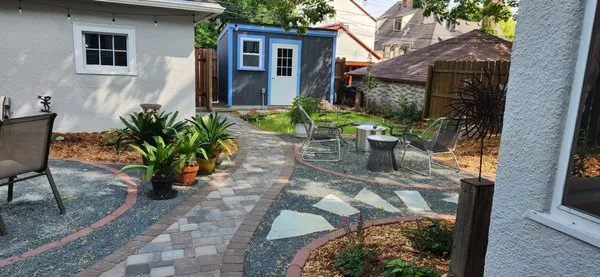
For over 25 years, Diana Grundeen and the team at Trio Landscaping have transformed Minneapolis yards into functional, beautiful outdoor living spaces. Diana, an award-winning designer and certified L...
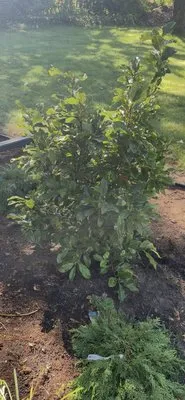
JG Landscaping was founded in Minneapolis in 2016 by an owner who honed their skills and professional ethos with Windsor Companies before starting their own venture. This experience instilled a strong...
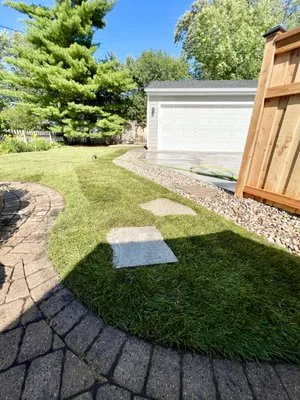
Founded on a commitment to hard work and clear communication, Sota Landscaping began with a simple vision and has grown into a trusted local provider for Minneapolis' west metro area. We understand th...
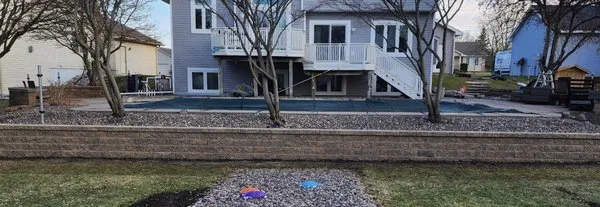
Romero Landscaping & Tree Service is a locally owned and operated business serving Minneapolis and the surrounding communities. With eight years of hands-on industry experience, we provide a comprehen...

Limpio is a trusted local provider in Minneapolis, MN, offering a comprehensive range of services to maintain and enhance your property year-round. We specialize in junk removal & hauling, landscaping...
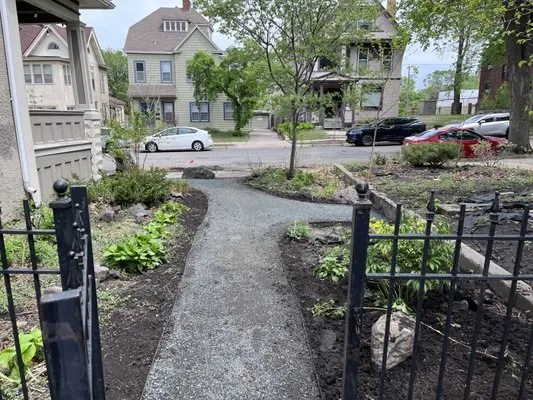
ELZO Landscape & Design is a Minneapolis-based landscaping company with over a decade of hands-on experience creating modern, low-maintenance outdoor spaces. We specialize in blending clean design wit...
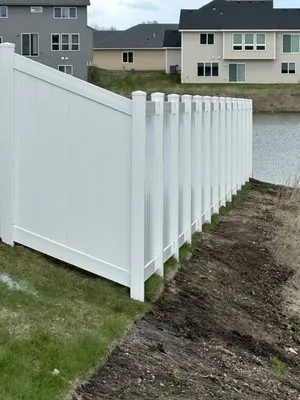
Dels Landscape is a trusted Minneapolis-based landscaping and construction company specializing in comprehensive outdoor solutions. With expertise in driveway installation, retaining walls, patio cons...
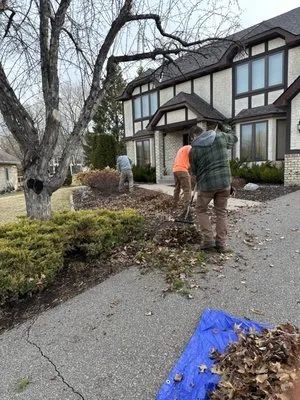
Solutions JF Landscaping & Tree Services
Solutions JF Landscaping & Tree Services is a family-owned and operated business serving Brooklyn Park, MN, and the wider Twin Cities area. Founded by owner Jaime, our mission is rooted in a genuine p...
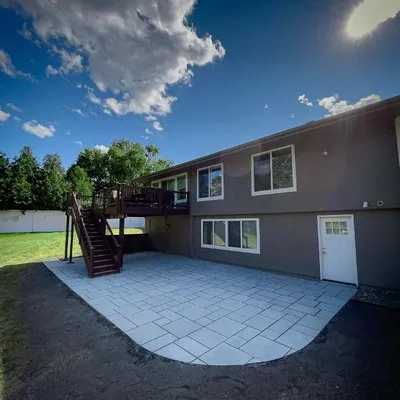
Stone Arch Landscapes
Stone Arch Landscapes is a Minneapolis-based landscape architecture and construction firm founded by Brett Hammond and Tony Cousins. Both University of Minnesota graduates in Landscape Architecture, t...
Mowtivated Outdoor Services is a Minneapolis-based company founded on a lifelong passion for working in the natural elements. Growing up mowing lawns, clearing snow, and tackling landscaping projects ...
Estimated Landscaping Service Costs in Plymouth, MN
Question Answers
Is a wood deck or a stone patio better for our Plymouth home?
For long-term durability and lower maintenance, local Kasota stone or concrete pavers are superior to wood. They resist decay, insect damage, and require no sealing or staining. From a fire-wise perspective, using non-combustible materials like stone for the first 5 feet around your home creates critical defensible space, a prudent consideration given Plymouth's moderate Urban/Wildland Interface rating.
We want a quieter, lower-maintenance yard. What are our options?
Transitioning high-input turf areas to a native plant community is a forward-thinking solution. Species like Purple Coneflower, Wild Bergamot, and Little Bluestem are adapted to our Zone 4b climate and require no fertilization, minimal watering once established, and no weekly mowing. This shift reduces dependency on gas-powered equipment, aligning with evolving noise ordinances and supporting local pollinators for enhanced biodiversity.
With Stage 1 water conservation, how do we keep our lawn green?
Voluntary conservation is best managed with precision. Modern smart Wi-Fi ET-based controllers adjust schedules daily using local weather data, applying water only when and where the Kentucky Bluegrass and Fine Fescue mix needs it. This technology can reduce water use by 20-30% while maintaining turf health. Deep, infrequent watering cycles that align with early morning windows further optimize uptake and minimize evaporation.
We see creeping Charlie and crabgrass. How do we treat it safely?
For broadleaf weeds like creeping Charlie, a fall application of a selective, Minnesota-approved herbicide is most effective, as the plant is actively moving nutrients to its roots. For crabgrass, a pre-emergent herbicide in early spring is key. Crucially, all treatments must adhere to state law, which prohibits phosphorus use on established lawns. Always follow label instructions to protect surrounding desirable plants and soil biology.
Do we need a permit to regrade our backyard?
Yes, significant regrading on a 0.35-acre lot typically requires a permit from the Plymouth Community Development Department to ensure proper stormwater management and adherence to zoning codes. Furthermore, this work must be performed by a contractor licensed by the Minnesota Department of Labor and Industry. This licensing is your assurance that the contractor carries required insurance and understands state excavation and soil erosion control standards.
We have an HOA notice for overgrowth. How fast can you get a crew here?
For urgent compliance, our standard dispatch routes a crew from the Plymouth Creek Center via I-494. Accounting for peak traffic variables, we target a 20-30 minute response window to your neighborhood. We prioritize these calls to address the violation within the same business day, coordinating all work within the city's 7:00 AM to 9:00 PM noise ordinance hours for weekday service.
Our yard has soggy spots every spring. What's the cause and fix?
This is a classic symptom of Plymouth's variable soil. Glacial till often has pockets of dense clay with poor permeability, which, combined with our high seasonal water table, leads to surface saturation. Solutions include installing French drains to redirect water or creating a dry creek bed with local Kasota stone. For patios or walkways, using permeable concrete pavers can significantly improve onsite infiltration and meet city stormwater management expectations.
Our Plymouth Creek neighborhood lawn looks tired. Is the soil just old?
A property from the late 1980s has a soil history of about 40 years. In Plymouth, this means the original glacial till loam has been repeatedly compacted by construction, foot traffic, and standard mowing. This compaction reduces pore space, hindering root growth and water infiltration. Core aeration in early fall or spring, followed by top-dressing with compost, is critical to reintroduce organic matter and rebuild soil structure for healthier turf.
