Top Landscaping Services in Parkers Prairie, MN, 56361 | Compare & Call

There are 174 landscaping companies server in Parkers Prairie MN
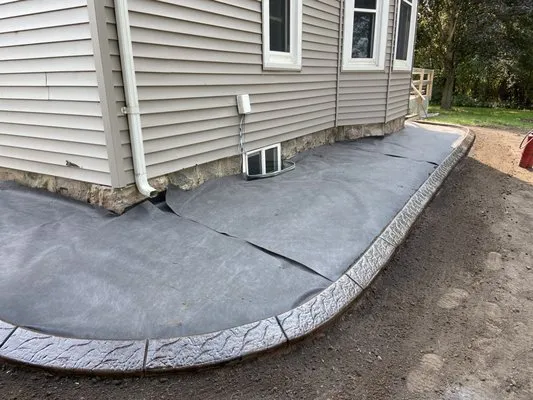
All Time Curbing & Landscape is a Minneapolis-based family business with deep roots in construction and a passion for concrete landscape edging. Owner Joe discovered poured concrete edging at the Minn...
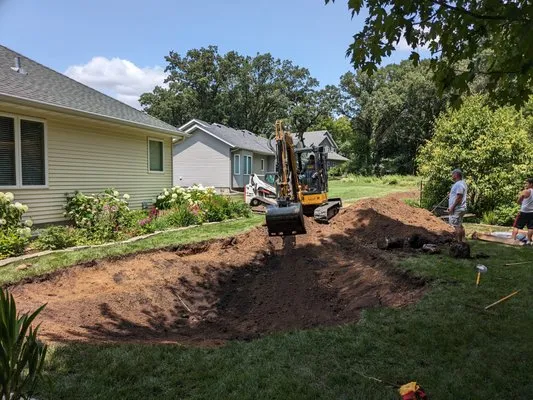
Platinum Lawn and Landscaping
Platinum Lawn and Landscaping is a full-service landscaping company serving residential and commercial properties throughout the greater St. Cloud, MN area. We specialize in transforming outdoor space...
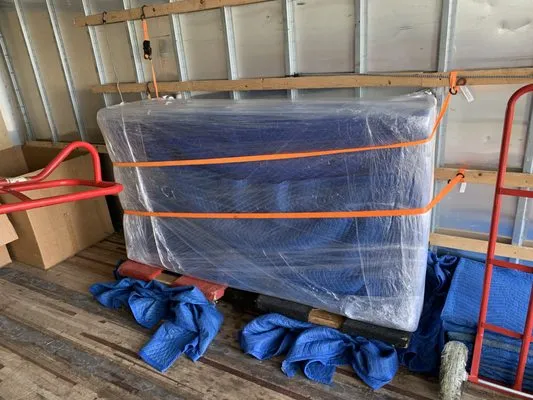
Tom's Help is a trusted, locally-owned service provider in Ramsey, Minnesota, specializing in junk removal, moving, and landscaping waste solutions. With deep roots in the community and years of hands...
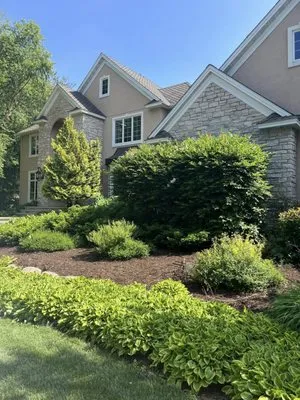
Northern Lawn Service
Northern Lawn Service is your local Sartell partner for dependable outdoor care, from seasonal maintenance to complex property projects. Founded in 2020 by owner Logan Nygaard, we're a community-focus...

For over 30 years, Plaisted Companies has been a trusted Elk River, MN resource for landscaping and masonry/concrete needs, built on the quality sand and gravel from our local mining reserve. We speci...
Farrell Outdoor Services is a locally owned and operated landscaping, tree service, and excavation company serving Elk River, Minnesota. With years of combined experience, we specialize in transformin...

Supreme Lawn and Landscaping has been a trusted Waite Park, MN landscape company since 1990, building and maintaining beautiful outdoor spaces for homes and businesses. As a licensed and insured contr...
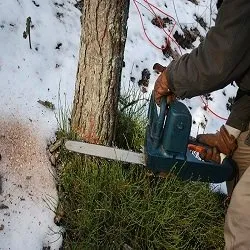
Ace Tree & Landscape is a trusted Saint Cloud, MN provider of comprehensive tree and landscaping services. We specialize in landscape maintenance, tree care, pruning, trimming, and removal to keep you...

Thomsens Garden Center in St. Joseph, MN, is a locally owned and operated garden center with deep roots in the community. Founded over 30 years ago by Bob and Bonnie Thomsen, Midwest natives and St. J...
Klein Landscaping & Nursery is a St. Cloud, MN-based company specializing in comprehensive landscape design, construction, and horticultural solutions. As a full-service nursery and landscaping contra...
Estimated Landscaping Service Costs in Parkers Prairie, MN
Q&A
How can we maintain our Kentucky Bluegrass and Fine Fescue mix without wasting water?
Soil moisture sensor-based controllers optimize irrigation by measuring actual soil conditions rather than following fixed schedules. These systems apply water only when root zones reach predetermined dryness thresholds, typically reducing usage by 20-40%. While Parkers Prairie has no mandatory water restrictions, voluntary conservation aligns with municipal sustainability goals. Properly calibrated sensors preserve turf health during dry periods while preventing oversaturation that exacerbates seasonal drainage issues. This technology represents the current standard for efficient landscape water management.
Our yard stays soggy for days after rain. What solutions work with Parkers Prairie's soil conditions?
Seasonal saturated sub-soils in Mollisols loam indicate poor infiltration rates common in this area. Installing French drains with clean gravel channels redirects subsurface water away from structures. For hardscape areas, crushed granite and concrete pavers with permeable joints allow natural percolation while meeting City Clerk Office runoff standards. Grading adjustments creating a 2% slope away from foundations complement these systems. Combined approaches address both surface pooling and subsurface saturation effectively.
Should we use wood or stone for our new patio considering Minnesota winters?
Crushed granite and concrete pavers outperform wood in Parkers Prairie's climate for longevity and maintenance. These materials withstand freeze-thaw cycles without warping or rotting, maintaining structural integrity for decades. For fire safety, non-combustible hardscapes contribute to defensible space around structures, aligning with low fire risk ratings in standard residential zones. Permeable installation methods prevent ice accumulation while allowing proper drainage. Initial investment in durable materials reduces long-term replacement costs and seasonal maintenance requirements.
What permits and qualifications should we verify for grading our 0.25-acre lot?
Grading projects altering water flow patterns require permits from the Parkers Prairie City Clerk Office to ensure compliance with municipal drainage standards. Contractors must hold appropriate licensing through the Minnesota Department of Labor and Industry, particularly for work affecting structural foundations or utility lines. On 0.25-acre lots, even minor elevation changes can impact neighboring properties' drainage, making professional assessment crucial. Licensed professionals carry required insurance and understand local soil stability requirements for Mollisols loam conditions.
We need emergency storm cleanup to meet HOA requirements by tomorrow. How quickly can you respond?
Our electric maintenance fleet can dispatch from the Parkers Prairie Event Center within 30 minutes. Taking Minnesota State Highway 29 provides direct access to Central Park District properties. We maintain a 15-20 minute peak storm response time for emergency cleanup operations. All equipment operates within standard daytime noise ordinance limits of 7:00 AM to 9:00 PM. This rapid response prevents potential HOA violations while ensuring safe property conditions.
We've spotted creeping Charlie invading our lawn. How do we treat it properly?
Creeping Charlie (Glechoma hederacea) spreads aggressively in Minnesota's Zone 4a, particularly in shaded, moist areas. Manual removal with thorough root extraction works for small infestations. For larger areas, spot-treat with iron-based herbicides during active growth periods, avoiding Minnesota's phosphorus fertilizer blackout dates under Statute 18C.60. Improving soil drainage and sunlight penetration through selective pruning reduces favorable conditions for reinfestation. Always apply treatments according to label directions to protect surrounding desirable vegetation.
What low-maintenance alternatives exist for our high-water turf areas?
Transitioning to native plant communities significantly reduces maintenance requirements. Purple Coneflower, Little Bluestem, Butterfly Milkweed, Wild Bergamot, and Prairie Dropseed thrive in USDA Zone 4a with minimal irrigation once established. These deep-rooted perennials improve soil structure and support local pollinators. Electric maintenance equipment operates quietly within noise ordinance parameters while eliminating gas emissions. Native landscapes require less frequent mowing and create habitat corridors that exceed 2026 biodiversity standards for residential properties.
Our Central Park District lawn seems compacted despite regular care. What's happening with the soil?
Parkers Prairie homes built around 1965 have 61-year-old soil systems. Mollisols loam in this neighborhood naturally compacts over decades, reducing permeability and oxygen availability to roots. Core aeration every 2-3 years addresses this by creating channels for water infiltration and gas exchange. Adding organic compost annually improves soil structure without altering the optimal pH 6.8-7.2 range. These practices restore the soil's natural drainage capacity while maintaining nutrient availability.
