Top Landscaping Services in Northern, MN, 56601 | Compare & Call
There are 185 landscaping companies server in Northern MN

J's Snow And Landscape is your trusted local partner for year-round property care in Oak Park, MN. We specialize in professional lawn care and dependable snow removal, understanding the specific chall...
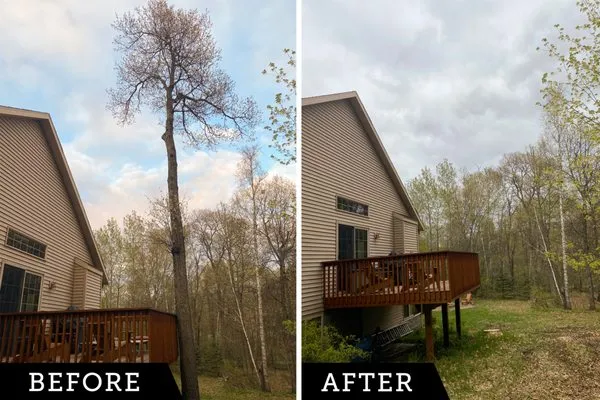
Northern Tree and Landscaping has been a trusted name in Crosslake and across central Minnesota for over 20 years. As a licensed and insured team, we are deeply rooted in our community, offering relia...
E&Z Lawn Care is a trusted lawn service provider serving Albany, MN, and the surrounding areas. We specialize in comprehensive lawn care solutions designed to address common local landscaping challeng...

My name is Jesse Mitchell, and I'm the owner of Cuyuna Cleaning Co. right here in Crosby, MN. As a local resident, I started this business to provide dependable, detailed cleaning services specificall...

D & N Landworks
D & N Landworks is a Pine River-based company providing comprehensive landscaping, demolition, and tree services to the local community. Specializing in both residential and commercial projects, they ...
Estimated Landscaping Service Costs in Northern, MN
Q&A
How can we maintain our Kentucky Bluegrass and Fine Fescue lawn during Stage 1 water restrictions without overwatering?
Smart soil-moisture sensor controllers optimize irrigation by monitoring real-time soil conditions, applying water only when needed based on evapotranspiration rates. This technology reduces water use by 20-30% while preserving turf health, aligning with Northern's voluntary conservation goals. Programming controllers for deep, infrequent watering during early morning hours maximizes efficiency and prevents runoff in sandy loam soils.
Our yard floods every spring during thaw. What solutions work best for Northern's seasonal frost heave and saturation issues?
Seasonal frost heave and spring thaw saturation are exacerbated by acidic sandy loam's poor water retention. Installing French drains or dry wells with gravel beds improves subsurface drainage. Using permeable concrete pavers with polymeric sand for hardscapes allows water infiltration, meeting Bemidji Planning and Building Department runoff standards. Grading soil to direct water away from foundations prevents structural damage during peak saturation periods.
We need emergency storm cleanup to meet HOA compliance by tomorrow. How quickly can a crew arrive from downtown?
A crew can typically arrive within 20-30 minutes during peak response times. They would dispatch from near the Beltrami County Courthouse, travel via US-2 to access the Central Business District efficiently. Electric maintenance equipment allows work to begin immediately upon arrival while adhering to the 70 dB noise ordinance, ensuring rapid debris removal and landscape restoration to meet compliance deadlines.
Our yard's soil seems compacted and drains poorly. Is this typical for homes built around 1987 in the Central Business District?
Yes, this is common. Homes built around 1987 have soil approximately 39 years old, which in Northern's acidic sandy loam often becomes compacted from decades of foot traffic and minimal organic input. The Central Business District's original construction likely disturbed natural soil layers, reducing permeability. Core aeration every 2-3 years and adding composted organic matter can improve soil structure and water infiltration, addressing the pH 6.2's tendency to retain less moisture.
We plan to regrade our 0.22-acre lot. What permits and licensing are required for this work in Northern?
Grading on a 0.22-acre lot typically requires a permit from the Bemidji Planning and Building Department to ensure proper drainage and erosion control. Contractors must hold appropriate licensing through the Minnesota Department of Labor and Industry, as earthmoving can impact soil stability and adjacent properties. Professional oversight ensures compliance with local ordinances and prevents issues like improper slope that could lead to water damage or violation of runoff standards.
We've spotted creeping bellflower invading our garden. How do we treat it without violating fertilizer regulations?
Creeping bellflower is a persistent invasive in Northern. Manual removal of all root fragments is essential, as herbicides may require careful application to avoid drift. Treatment should avoid Minnesota's phosphorus fertilizer blackout dates, using organic amendments like compost instead. Regular monitoring and planting competitive natives like Butterfly Milkweed can suppress regrowth while maintaining soil health within legal guidelines.
We want to reduce mowing and gas blower use. Are native plants a practical alternative to traditional turf?
Replacing high-maintenance turf with native species like Canada Anemone, Wild Columbine, Butterfly Milkweed, and Big Bluestem significantly reduces water and maintenance needs. These plants thrive in USDA Zone 3b and acidic sandy loam, requiring no fertilization under Minnesota's phosphorus law. This transition supports biodiversity, eliminates gas blower use before 8 AM, and creates a resilient landscape adapted to Northern's climate.
We're considering a patio. How do concrete pavers compare to wood for durability and fire safety in our area?
Concrete pavers with polymeric sand offer superior longevity to wood in Northern's freeze-thaw cycles, resisting warping and decay. They provide a non-combustible surface that supports Moderate Fire Wise Rating (WUI Zone 2) compliance by creating defensible space. Unlike wood, pavers require minimal maintenance and won't contribute to fire spread, making them a safer choice for high-risk zones while withstanding seasonal frost heave.
