Top Landscaping Services in North Mankato, MN, 56003 | Compare & Call
There are 56 landscaping companies server in North Mankato MN
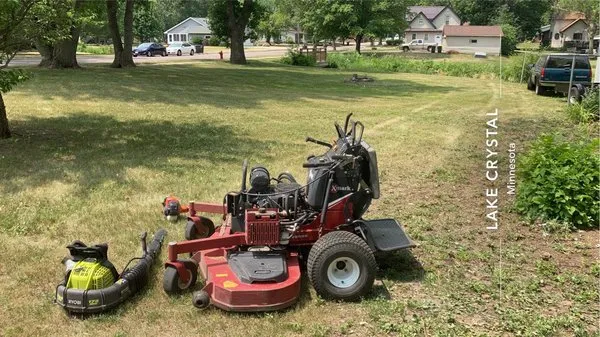
Rosin Bros Lawn Care is a trusted, family-owned provider serving Nicollet, MN, and the surrounding area. We specialize in comprehensive lawn care and reliable snow removal, helping homeowners maintain...
Nash Bros Landscaping is a trusted, family-owned and operated exterior services company serving North Mankato and the greater Mankato area. We specialize in comprehensive landscaping, siding, and roof...
Greg's Grass & Landscaping is a trusted, locally owned and operated landscaping company serving Albert Lea and southern Minnesota since 2002. We've built our reputation on reliable, high-quality workm...
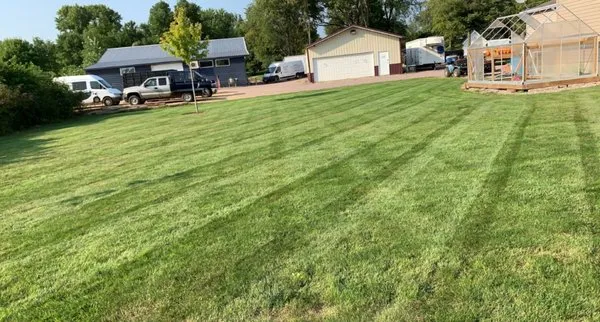
JP's Lawn Care Services is a Nicollet-based provider offering reliable lawn care solutions tailored to the local community. We specialize in maintaining healthy, vibrant lawns while addressing common ...

Simple Lawn Service is a locally owned and operated lawn care business in Nicollet, Minnesota. As a solo operator, I provide personalized attention to detail for every client, focusing on the core ser...
Valley Landscaping
Valley Landscaping is a trusted North Mankato, MN landscaping and design company specializing in creating beautiful, functional outdoor spaces for local homeowners. We understand the common challenges...
Southern Landworks, based in Saint Peter, MN, is a locally owned and operated company dedicated to improving the functionality and value of your property. We begin every project with a detailed consul...
Big Dog Lawn Care Service is a dedicated provider of professional lawn care in North Mankato, MN. We understand the local challenges homeowners face, particularly with yard drainage problems and persi...
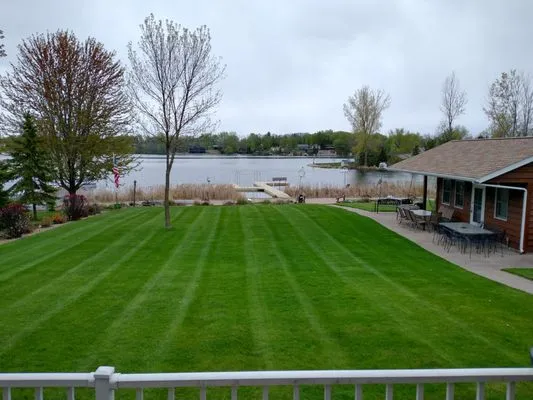
With over 30 years of experience that started with a childhood mowing business, The Lawn Barber Services is built on a genuine passion for lawn care. Owner-operated since 2007, the company has grown b...
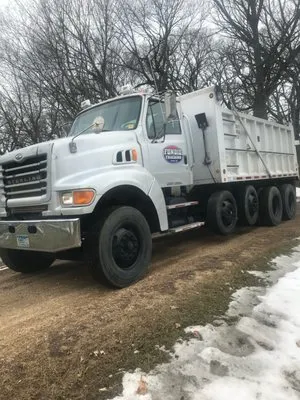
Fondie Enterprises is a full-service landscaping and snow removal contractor serving Saint Peter, MN. We specialize in solving the common local challenges homeowners face, like poor yard drainage and ...
Estimated Landscaping Service Costs in North Mankato, MN
Q&A
Why does my North Mankato lawn struggle with compaction and poor drainage?
North Mankato Proper lots built around 1982 have 44-year-old soil profiles dominated by clay loam Mollisols with pH 7.2-7.8. This alkaline, dense soil naturally compacts over decades, reducing permeability to 0.1-0.3 inches per hour. Core aeration every 2-3 years with organic amendments like composted leaf mold addresses this by increasing pore space and microbial activity. Without intervention, turfgrass roots remain shallow and vulnerable to drought stress.
What solutions exist for spring runoff in river valley areas?
High spring runoff in North Mankato's low-lying areas requires permeable hardscaping like crushed limestone or concrete pavers with 1/8-inch joints filled with polymeric sand. These materials achieve 0.5-1.0 inch per hour infiltration rates, meeting Community Development Department runoff standards. We install French drains with clean gravel wrapped in non-woven geotextile to intercept subsurface water, directing it away from foundations toward rain gardens planted with Swamp Milkweed.
Should I replace high-maintenance turf with native plants?
Transitioning 30-50% of turf to Purple Coneflower, Little Bluestem, and Prairie Dropseed reduces mowing frequency from weekly to twice annually. This xeriscaping approach cuts water use 60-70% while providing year-round habitat for pollinators. Electric maintenance equipment operates quietly within noise ordinance hours, avoiding gas-blower restrictions. Mature native plantings require no fertilization, aligning with Minnesota's phosphorus-free regulations.
Are concrete pavers better than wood for North Mankato patios?
Concrete pavers withstand freeze-thaw cycles for 25+ years versus wood's 8-12 year lifespan in Zone 4b. Their non-combustible nature supports Firewise defensible space requirements in moderate urban-wildland interface zones. We install them with 4-inch compacted limestone bases that resist frost heave, unlike wood's susceptibility to rot in clay loam's moisture-retentive profile. Permeable paver systems also reduce stormwater runoff by 40-60% compared to solid surfaces.
Can I maintain Kentucky Bluegrass during Stage 1 water restrictions?
Wi-Fi ET-based weather sensing controllers automatically adjust irrigation to match evapotranspiration rates, typically reducing water use 15-25% while preserving turf health. These systems bypass voluntary conservation periods by irrigating only during optimal absorption windows, usually 4:00-7:00 AM. For clay loam soils, we program 0.5-inch applications twice weekly to encourage deeper root growth, staying well within municipal water allocation limits.
What permits and licenses are needed for grading my 0.22-acre lot?
Grading altering more than 50 cubic yards of soil requires a North Mankato Community Development Department permit with engineered drainage plans. Contractors must hold Minnesota Department of Labor and Industry licensing for excavation work exceeding $15,000 in value. On 0.22-acre lots, even modest regrading often triggers these requirements due to proximity to property lines and existing drainage patterns. Unlicensed grading risks $5,000 fines and mandatory restoration orders.
How quickly can you respond to storm damage for HOA compliance?
Emergency cleanup crews dispatch from Spring Lake Park via US Highway 169, reaching most North Mankato Proper locations within 20-30 minutes during peak response windows. This routing avoids residential bottlenecks while accommodating noise ordinance restrictions on commercial machinery operation between 7:00 AM and 9:00 PM. We prioritize debris removal from public rights-of-way first, then address private property hazards like fallen limbs threatening structures.
How do I control invasive species without violating fertilizer laws?
Early detection of Buckthorn or Creeping Charlie requires manual removal before seed set, typically mid-April through May. For persistent infestations, we apply glyphosate spot treatments using shielded applicators to avoid drift onto desirable plants. These methods comply with phosphorus ordinance blackout dates by eliminating synthetic fertilizer use entirely. We follow with native seed sowing to establish competitive ground cover that suppresses future invasions.
