Top Landscaping Services in New York Mills, MN, 56567 | Compare & Call
There are 109 landscaping companies server in New York Mills MN
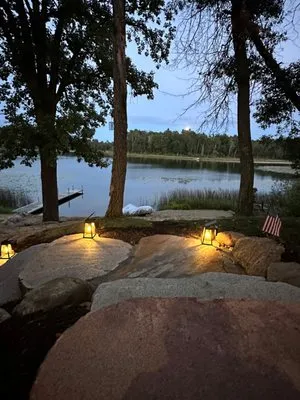
CJ's Landscaping Company, LLC is a family-owned and -operated landscape contractor serving Pequot Lakes and the Brainerd Lakes Area. With over 15 years of experience, they provide year-round services ...
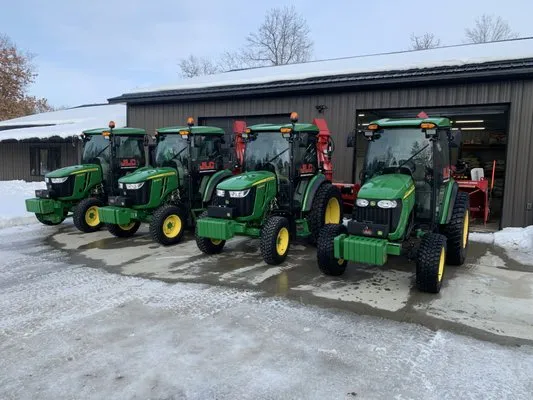
Jared's Lawn Care (JLC Snow & Turf) is a local Brainerd, MN business with deep roots in the community. Owner-operator Jared started the company in high school, building it into a trusted provider for ...
Man Made Landscaping is a Brainerd, MN-based company specializing in comprehensive landscaping, tree services, and snow removal. We help local homeowners address common issues like shifting rock garde...
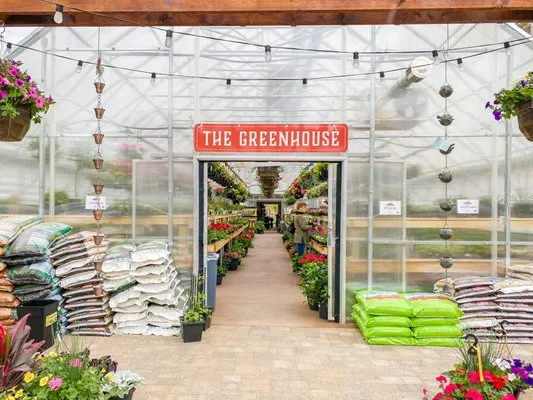
Copper Creek
Copper Creek in Nisswa, MN, is a comprehensive landscaping and garden center dedicated to transforming outdoor spaces across the Brainerd Lakes area. We specialize in custom landscaping projects, from...
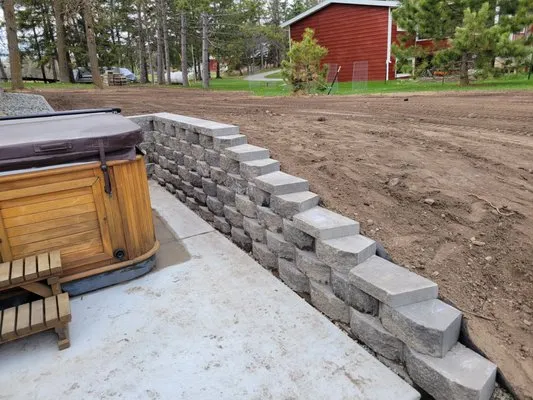
Premier Landscape Solutions is a family-owned and operated business built on the shared vision of three brothers in Brainerd, MN. We combine hands-on craftsmanship with a deep understanding of our loc...

Woodland Weed Removal helps Deerwood homeowners reclaim their waterfront enjoyment. We specialize in removing invasive lake weeds by hand—often with dive gear for deeper areas—to ensure they're pulled...
Landscaping Mn is a locally owned and operated lawn services company based in Brainerd, MN, specializing in transforming outdoor spaces with expert care. We provide comprehensive residential and comme...

K & V Landscaping is your trusted local partner in Onamia, MN, for comprehensive lawn care, durable siding, and quality decks. We understand the specific challenges faced by homeowners in our area, su...
Smith's Lawn Service is a trusted, locally-owned lawn care provider in Baxter, MN, dedicated to helping homeowners achieve and maintain a healthy, vibrant lawn. We understand the common local challeng...
Founded by Brian in 2001, Northern Masonry & Custom Stonework is a Pine River-based team of skilled masons and stone workers dedicated to enhancing both residential and commercial properties. With ove...
Estimated Landscaping Service Costs in New York Mills, MN
Q&A
Will smart irrigation keep my Kentucky Bluegrass healthy during dry spells?
Smart Wi-Fi soil moisture sensors optimize irrigation by tracking real-time ET rates and soil conditions. These systems apply water only when needed, typically reducing usage by 20-40% compared to timer-based systems. Even with voluntary conservation in place, this technology maintains turf health by preventing both drought stress and overwatering. Properly calibrated sensors help Kentucky Bluegrass survive summer heat without exceeding municipal water guidelines.
Are granite pavers better than wood for durability and fire safety?
Granite pavers offer superior longevity compared to wood, lasting 30+ years with minimal maintenance. Their non-combustible nature supports defensible space requirements in Moderate Fire Wise rated areas like rural interfaces. Proper installation with permeable bases reduces heat island effects while allowing water infiltration. Unlike wood, granite doesn't require chemical treatments that can leach into soil, making it more environmentally stable over time.
What permits and licenses are needed for grading my 0.25-acre property?
Grading projects that alter water flow patterns require permits from Otter Tail County Land & Resource Management. Contractors must hold appropriate licensing through the Minnesota Department of Labor and Industry, particularly for work affecting drainage or structural stability. On quarter-acre lots, even minor elevation changes can impact neighboring properties, necessitating professional oversight. Licensed professionals ensure compliance with erosion control standards and proper documentation of all earth-moving activities.
What solutions exist for seasonal frost heave and poor drainage in my yard?
Loamy sand soils in this area have moderate permeability but are prone to frost heave due to freeze-thaw cycles. Installing French drains with proper slope directs water away from foundations. Using permeable granite pavers for patios and walkways reduces surface runoff while meeting Otter Tail County Land & Resource Management standards. Subsurface drainage systems with clean gravel layers improve water movement during spring thaw periods.
Can I reduce maintenance while supporting local ecology?
Replacing high-maintenance turf areas with native plants like Big Bluestem, Butterfly Milkweed, Wild Bergamot, and Prairie Dropseed creates resilient landscapes. These species require minimal watering once established and support pollinators throughout the growing season. Transitioning to electric maintenance equipment aligns with evolving noise ordinance trends while reducing carbon emissions. Native plantings also improve soil health through deeper root systems that prevent erosion.
How should I handle invasive species without using restricted fertilizers?
Common invasive alerts in this region include buckthorn and garlic mustard, which compete with native vegetation. Manual removal before seed set is most effective for small infestations. For persistent problems, targeted herbicide applications in fall minimize impact on desirable plants. Minnesota's phosphorus-free fertilizer law requires using appropriate products during approved application windows. Always check local blackout dates before any treatment to avoid violations.
How quickly can you respond to an HOA violation notice for overgrown vegetation?
Our team can dispatch from the New York Mills Regional Cultural Center area within 30 minutes. We travel via US Highway 10 to reach Central New York Mills neighborhoods in 15-20 minutes. Emergency cleanup crews carry electric trimmers and mowers to comply with standard noise limits while addressing immediate compliance issues. Most vegetation violations can be resolved within 2-4 hours of arrival.
Why does my Central New York Mills lawn struggle despite regular care?
Homes built around 1977 in this neighborhood have soil that has matured for nearly 50 years. Loamy sand soil, common here, tends to compact over decades, reducing permeability and root penetration. Core aeration every 1-2 years is essential to address this compaction. Adding organic amendments like compost improves water retention and supports microbial activity in this pH 6.5-7.2 range.
