Top Landscaping Services in New Brighton, MN, 55112 | Compare & Call
There are 181 landscaping companies server in New Brighton MN
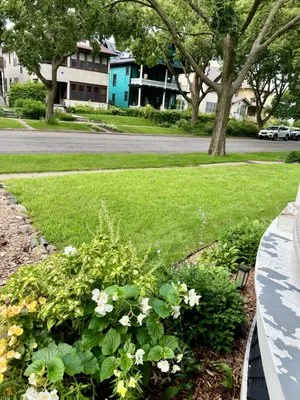
The Grounds Crew
The Grounds Crew is a locally-owned property services company serving Burnsville, MN, founded by Minnesota native Charlie Britt. With 15 years of experience, Charlie started the business after gaining...
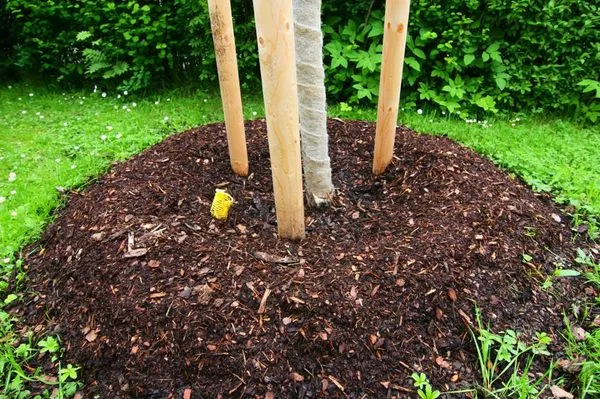
A&C Landscape LLC has been serving Saint Paul, MN for 15 years as a reliable, professional, and dedicated partner for all landscaping needs. We specialize in comprehensive services including lawn care...
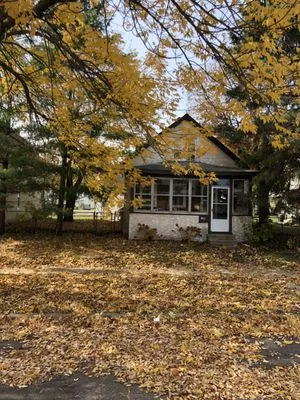
Handy Randy's Yard Service was founded in 2018 by Andy, a hard-working Twin Cities native with a passion for outdoor maintenance. The business grew from a desire to turn that passion into a reliable s...
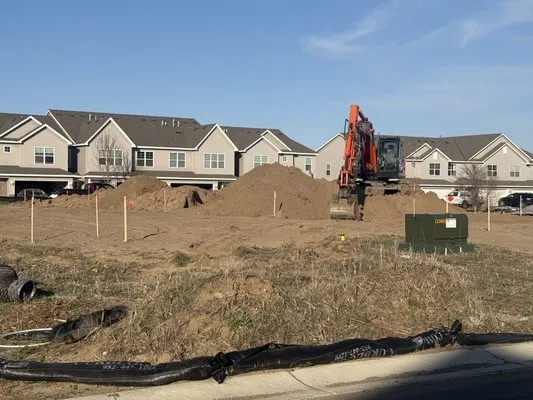
GJ Landworks is a Zimmerman-based land services company serving residential and commercial clients throughout Minnesota. We specialize in excavation, land clearing, landscaping, and tree services, pro...
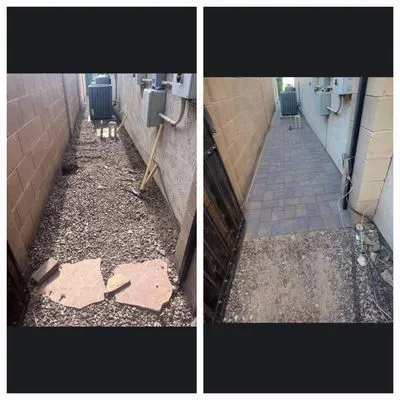
Scenic Outdoor Solutions is a locally owned and operated landscaping company in Independence, MN, founded by brothers Kaden and Austin Simonson. What began as a childhood passion for working outdoors ...
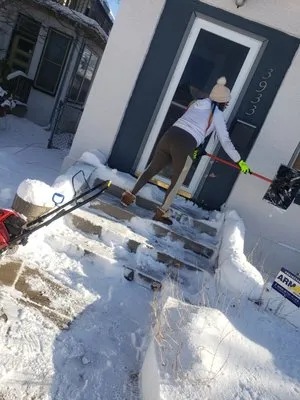
D & R Landscaping is a Minneapolis-based lawn and snow service provider dedicated to helping local homeowners maintain a beautiful, functional outdoor space year-round. We offer reliable lawn care and...
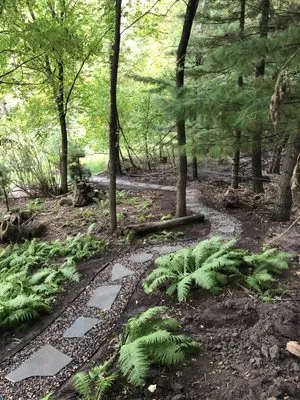
Dunbar Landscaping is a Burnsville-based landscaping company founded by a University of Minnesota Duluth graduate with 28 years of experience. Specializing in walkways, retaining walls, gardening inst...
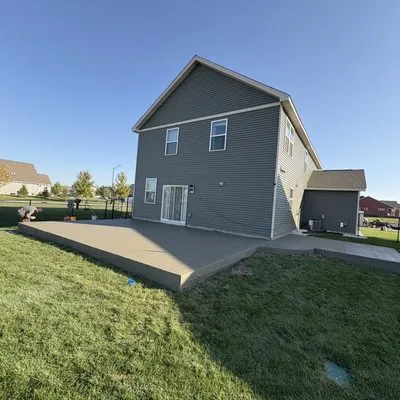
Dreams Concrete in Shakopee, MN, brings a unique blend of construction expertise and artistic vision to every project. With a lifelong passion for building and design, we approach concrete work, lands...
Brecks Residential Services is a Richfield-based company specializing in year-round outdoor property maintenance. We provide reliable lawn care and snow removal services tailored to the needs of local...
Mr Mow Lawn Care is a Minneapolis-based provider dedicated to keeping your property in prime condition year-round. We started with a focus on customer satisfaction and high-quality service, and that r...
Estimated Landscaping Service Costs in New Brighton, MN
Q&A
We want a lower-maintenance, eco-friendly yard. What should we plant?
Transitioning to a climate-adaptive landscape is a forward-thinking move. We recommend phased replacement of high-input turf with a matrix of deep-rooted natives like Purple Coneflower, Little Bluestem, Swamp Milkweed, and Wild Bergamot. These plants are adapted to Zone 4b, require no fertilization once established, and are drought-resilient. This approach significantly reduces mowing and future-proofs your property against tightening noise ordinances that may restrict gas-powered blower and mower use.
How quickly can you respond for an urgent storm cleanup to meet HOA rules?
Our standard emergency response for a downed limb or post-storm debris in New Brighton is 20-30 minutes during peak hours. We dispatch a crew from our staging area near Long Lake Regional Park, utilizing I-35W for direct access to the Exchange Boulevard District. This timeframe allows for safe transit and immediate assessment to mitigate hazards and ensure compliance with local property maintenance standards before any potential fines are issued.
Are permeable pavers a better long-term choice than a wood deck?
For longevity and minimal maintenance in our climate, permeable concrete pavers are superior. They have a lifespan of 25+ years, resist frost heave with a proper base, and require no sealing or staining. While New Brighton has a low Firewise rating, pavers also provide a non-combustible, defensible space immediately adjacent to the home. Compared to wood, which decays and requires regular upkeep, pavers offer a permanent, pervious solution that manages water on-site.
Do we need a permit to regrade our backyard, and who should do the work?
Yes, significant regrading on a 0.22-acre lot typically requires a permit from the New Brighton Community Development Department to ensure proper drainage and compliance with erosion control ordinances. This work must be performed by a contractor licensed through the Minnesota Department of Labor and Industry. Licensing ensures the professional carries adequate insurance and understands state building codes, protecting you from liability for improper work that could cause flooding on your or a neighbor's property.
With Stage 1 water restrictions, how do we keep a lawn green?
Effective irrigation under voluntary conservation hinges on precision. A smart Wi-Fi ET-based system is essential; it automatically adjusts runtime based on real-time weather data and evapotranspiration rates, applying water only when needed. For your Kentucky Bluegrass or Fine Fescue mix, this means deep, infrequent watering in the early morning to minimize loss. This technology can reduce water use by 20-30% while maintaining turf health, aligning perfectly with municipal conservation goals.
We see creeping Charlie and crabgrass. How do we treat it safely?
For invasive weeds like creeping Charlie, a targeted post-emergent herbicide applied in fall is most effective. However, Minnesota's Phosphorus Law strictly prohibits phosphorus-containing fertilizers unless a soil test confirms deficiency, typically for new lawns only. Therefore, any weed-and-feed products are unsuitable. A proper Integrated Pest Management plan starts with improving turf density through correct mowing height and organic amendments, making the lawn more competitive and reducing chemical dependency.
Our yard has soggy spots each spring. What's the solution?
Seasonal high water tables and moderate runoff are common in New Brighton's sandy loam soils, which can become saturated. Improving percolation is key. Beyond regrading and installing French drains, specifying permeable concrete pavers for any new patios or walkways is highly effective. This material allows stormwater to infiltrate on-site, reducing runoff volume and often meeting the New Brighton Community Development Department's stormwater management standards for residential projects.
Our 1970s home has patchy grass. Is the soil the problem?
Yes, soil maturity is likely the primary issue. A home built in 1973 in the Exchange Boulevard District means the soil profile is approximately 53 years old and has been compacted by decades of construction and maintenance. The prevalent loamy sand/sandy loam drains well initially but becomes hydrophobic and nutrient-poor over time without organic input. To restore health, core aeration in early fall followed by top-dressing with compost is critical to rebuild structure and support microbial life.
