Top Landscaping Services in Monticello, MN, 55362 | Compare & Call
There are 126 landscaping companies server in Monticello MN

King Companies LLC is a woman-owned lawn care and landscaping business serving Becker, MN, and the surrounding area. We specialize in comprehensive outdoor services, including lawn care and snow remov...

Spring-Green Lawn Care has been a trusted provider of professional lawn, pest, and tree services for Monticello residents for over 45 years. As your local, licensed technicians, we take a responsible ...

Twisted Heaven Lawn Care is a St. Cloud, MN-based exterior services company founded by owner James in 2024. James's lifelong dedication to lawn and surface care began when he was just 12 years old, an...

ACF Transport Services LLC is a fully licensed and insured hauling company based in St. Cloud, Minnesota, specializing in professional residential and commercial hauling and site grading services. We ...

T&F Neighborhood Services is a Minneapolis-based company offering comprehensive property solutions across landscaping, moving, and junk removal. With deep roots in the local community, owner Shone Edm...
Biros Property Care is your trusted local handyman and property maintenance service in Princeton, MN. We specialize in comprehensive solutions for homeowners, including handyman assembly, repair, and ...
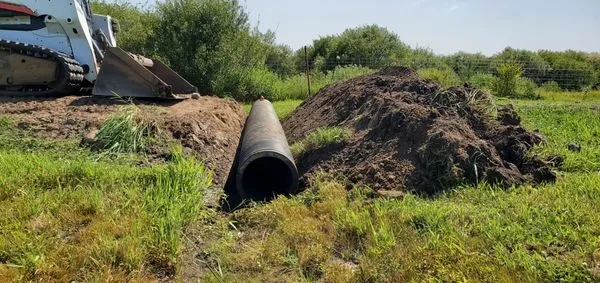
Turf Enterprise Inc. has been a trusted name for excavation and site work in Elk River and the North Metro since 2000. As an owner-operated business with over two decades of experience, we specialize ...

Property Care Services in St. Cloud, MN, is your trusted local partner for comprehensive property maintenance and improvement. We specialize in both painting and landscaping services, helping homeowne...
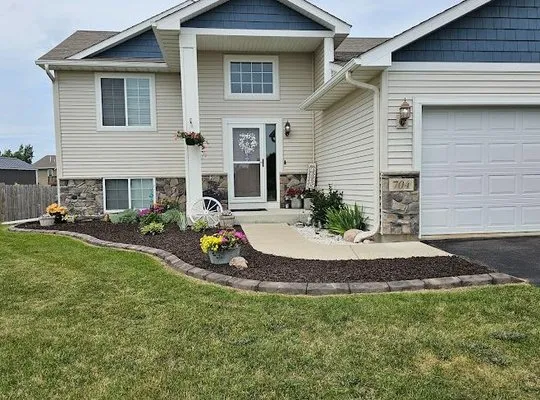
Advanced Curbing Concepts serves the Waverly, MN community by blending landscape design with functional curbing solutions. We focus on creating durable, custom concrete borders that not only enhance y...

Pest Badger is a locally owned pest control and lawn care company serving Central Minnesota, including Buffalo. Our skilled specialists provide comprehensive solutions for common pests like ants, mosq...
Estimated Landscaping Service Costs in Monticello, MN
Common Questions
What permits and licenses are required for grading my 0.25-acre lot?
Grading work exceeding 50 cubic yards requires a permit from Monticello Planning, Zoning & Building Department. Contractors must hold appropriate licensing through the Minnesota Department of Labor and Industry, particularly for drainage modifications affecting property boundaries. On 0.25-acre lots, even minor elevation changes can impact neighborhood water flow patterns. Licensed professionals carry insurance covering subsurface utility protection and erosion control compliance.
Can I maintain healthy turf during Monticello's Stage 1 water restrictions?
Smart Wi-Fi ET-based weather sensing irrigation systems automatically adjust schedules using local evapotranspiration data. These systems preserve Kentucky Bluegrass and Fine Fescue mixes while reducing water use by 25-40% compared to traditional timers. Programming deep, infrequent watering cycles encourages deeper root growth and drought tolerance. This approach maintains turf health while respecting voluntary conservation measures.
How quickly can you respond to storm damage for HOA compliance?
Emergency cleanup crews dispatch from the Monticello Community Center via I-94, maintaining a 20-30 minute peak response window. This routing prioritizes arterial access to Downtown Monticello neighborhoods. Crews carry electric chainsaws and debris-handling equipment to address fallen branches while complying with noise ordinances. Documentation for HOA compliance includes timestamped arrival and completion photos.
What solutions address seasonal water table issues and frost heave?
Mollisols/Loam soils in USDA Zone 4b experience high seasonal water tables that exacerbate frost heave damage. Installing permeable concrete pavers with crushed granite bases creates 30-40% void spaces for water infiltration. This meets Monticello Planning, Zoning & Building Department runoff standards by reducing impervious surfaces. French drains with clean gravel backfill provide additional subsurface drainage capacity during spring thaw periods.
Why does my Downtown Monticello lawn struggle with compaction and poor drainage?
Properties built around 1997 have approximately 29 years of soil development. Downtown Monticello lots typically feature Mollisols/Loam soil with pH 6.5-7.2, which develops a dense surface layer over time. This soil type benefits from annual core aeration to improve oxygen exchange and water permeability. Adding 0.25 inches of composted organic matter each spring enhances soil structure and supports microbial activity.
What invasive species threaten Monticello landscapes, and how are they managed?
Buckthorn and creeping bellflower present significant invasive risks in Minnesota's Zone 4b. Treatment involves targeted glyphosate applications during active growth phases, avoiding phosphorus-free fertilizer blackout dates in early spring. Manual removal before seed set prevents further spread. Always coordinate treatments with seasonal cycles to minimize impact on native Purple Coneflower and Butterfly Milkweed populations. Proper disposal prevents reinfestation.
Are concrete pavers better than wood for Monticello's climate and fire safety?
Concrete pavers and crushed granite outperform wood in longevity, with 25+ year lifespans versus wood's 8-12 years in Minnesota's freeze-thaw cycles. These materials maintain structural integrity despite frost heave pressures. For Moderate Wildland-Urban Interface zones, non-combustible hardscapes create defensible space per Firewise recommendations. Permeable installations reduce runoff while providing stable surfaces that resist shifting during seasonal ground movement.
How can I reduce maintenance while preparing for electric equipment mandates?
Replacing high-maintenance turf with Little Bluestem, Purple Coneflower, Butterfly Milkweed, and Prairie Dropseed creates resilient native plant communities. These species require minimal watering once established and eliminate weekly mowing from May-October schedules. Transitioning to electric maintenance fleets now avoids future noise ordinance conflicts with gas-powered blowers. Native plantings also support 2026 biodiversity standards through pollinator habitat creation.
