Top Landscaping Services in Mayer, MN, 55360 | Compare & Call
There are 59 landscaping companies server in Mayer MN
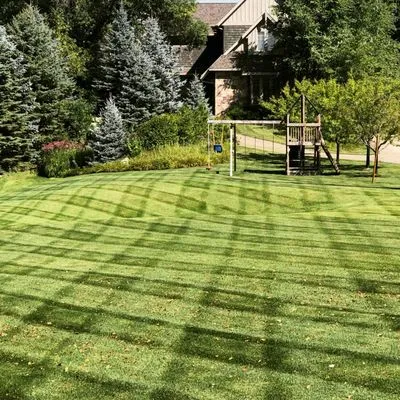
Lake Country Lawn & Landscape is a locally owned and operated landscaping company serving Mound, MN, and the broader Minneapolis and Lake Minnetonka area since 1997. We specialize in comprehensive law...
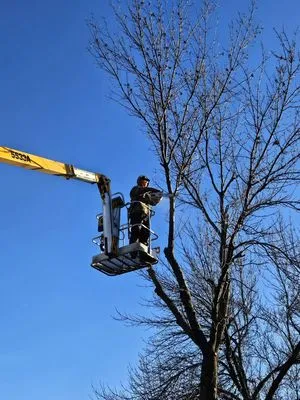
Lawns Are Us (Creative Landscapes) has been enhancing outdoor spaces across southern Minnesota from our Jordan base since 1989. As a family-owned business, we specialize in comprehensive landscape sol...

LA Landscaping Services is a full-service landscaping contractor serving the Brooklyn Center, MN community. We specialize in solving the common local issues of dead lawn patches and poor yard drainage...
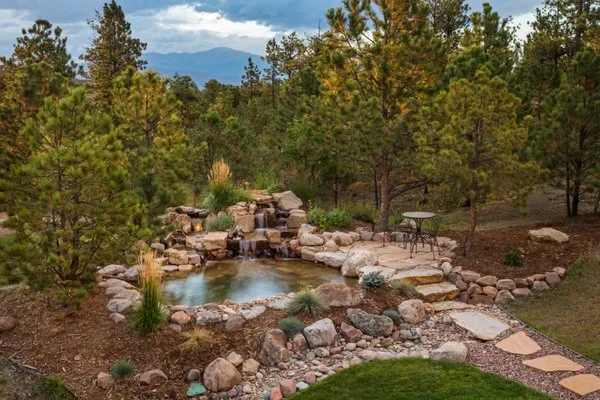
StayCations Outdoor Design
StayCations Outdoor Design in Lakeville, MN, began with a personal mission to create healing spaces. In 2017, founders built a pondless waterfall to aid their daughter's recovery, discovering firsthan...

Hartway Enterprises is a Webster, MN-based landscaping company specializing in gardening and landscape maintenance services. We help local homeowners and businesses tackle common yard challenges like ...
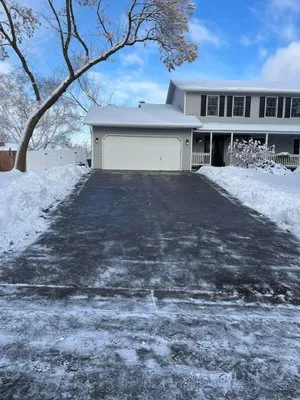
Minnesnowta lawn care
Serving Burnsville, Minnesnowta Lawn Care is a locally owned and operated company specializing in year-round outdoor property care. Founded in 2023, our licensed and insured team provides comprehensiv...

Purchase Green Artificial Grass
Purchase Green Artificial Grass in Chanhassen is part of a trusted national network that began in 2009. Today, as part of the leading integrated artificial grass manufacturer in the United States, we ...

Jsm Lawn Care provides comprehensive lawn and property maintenance services for Apple Valley residents and businesses. With a deep understanding of the grasses and seasonal challenges specific to Dako...
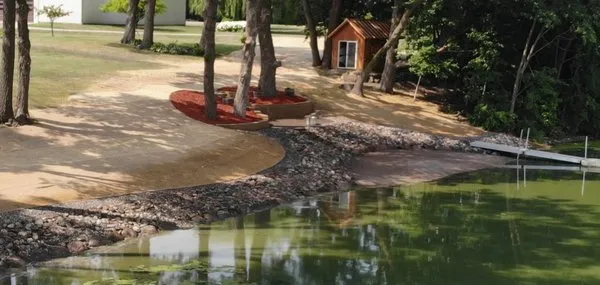
Lakeshore Guys in Forest Lake, MN, is a specialized landscaping company with over 20 years of experience focused on shoreline restoration and erosion control. They build durable riprap shorelines, boa...

R&R Irrigation is a family-owned and operated irrigation business serving Montgomery, MN, and the surrounding areas since 2008. Founded by owner and irrigation technician Mike R., the company speciali...
Estimated Landscaping Service Costs in Mayer, MN
Questions and Answers
Our yard seems compacted and drains poorly. Is this common for homes built around 2006 in the Mayer City Center area?
Yes, this is a predictable soil maturity issue. Homes built in 2006 have soil about 20 years old, which for our Clarion-Nicollet-Webster loam often means significant compaction from initial construction. This soil's high clay content reduces permeability, leading to the seasonal ponding you observe. Core aeration and incorporating organic compost are critical to rebuild soil structure and improve water infiltration for long-term health.
We're adding a patio. Are concrete pavers a better long-term choice than wood in Mayer?
Concrete pavers offer superior longevity and lower maintenance compared to wood in our climate. They are not susceptible to rot or insect damage and have excellent freeze-thaw durability. From a fire-wise perspective, while Mayer's rating is low, non-combustible materials like pavers or crushed granite provide inherent defensible space, a prudent consideration for any suburban interface property.
Do we need a permit to regrade our backyard for better drainage on our 0.25-acre property?
Yes, significant grading that alters water flow typically requires a permit from the Mayer City Planning and Zoning Department. Furthermore, this work must be performed by or under the supervision of a contractor licensed by the Minnesota Department of Labor and Industry. This ensures the work meets code, manages stormwater runoff appropriately, and protects you from liability.
We need an emergency storm cleanup to meet an HOA deadline. What's your typical response time to Mayer City Center?
Our standard peak response for emergency service is 20-30 minutes. We dispatch from near Mayer City Hall, taking MN-7 for the most direct route to your neighborhood. Our fleet is transitioning to electric equipment, which complies with local noise ordinances and allows for efficient early-morning starts if needed to meet your compliance window.
With Stage 1 water conservation in effect, how can we keep our Kentucky Bluegrass and Fine Fescue lawn healthy?
Smart, Wi-Fi ET-based irrigation is the solution. These systems use local weather data to apply water only when needed, matching evapotranspiration rates. This technology can reduce water use by 20-30% while preserving turf health, keeping you well within voluntary conservation guidelines. Properly timed, deep watering encourages deeper root growth, further enhancing drought tolerance.
We have persistent wet spots in our yard. What's the best way to fix drainage in Mayer's clay-heavy soil?
The high clay content in our local loam requires a multi-pronged approach. First, address soil compaction with aeration. For hardscape areas, using permeable materials like concrete pavers or crushed granite allows water to infiltrate rather than run off, which the Mayer City Planning Department now encourages. In severe cases, a subsurface French drain system may be necessary to redirect water away from the foundation.
We've spotted creeping Charlie and garlic mustard. How do we control these invasives safely?
For creeping Charlie, a post-emergent broadleaf herbicide application in fall is most effective, but manual removal is viable for small patches. Garlic mustard should be hand-pulled before it sets seed. Critically, any product used must be phosphorus-free to comply with Minnesota state law. Always check labels and consider organic, targeted spot treatments to protect surrounding native plants and soil biology.
We want to reduce mowing and chemical use. What are good native plant options for our 0.25-acre lot?
Transitioning to a native plant community is an excellent strategy. Species like Big Bluestem, Butterfly Milkweed, Purple Prairie Clover, and Wild Bergamot are adapted to Zone 4b and our soil pH. Once established, they require minimal watering, no phosphorus fertilizer, and infrequent maintenance. This shift also supports local pollinators and prepares your property for future regulations on gas-powered equipment.
