Top Landscaping Services in Maple Lake, MN, 55358 | Compare & Call
There are 85 landscaping companies server in Maple Lake MN
Martie's Farm Service has been a trusted resource for Monticello, MN, lawns and farms since 1982. As the area's oldest lawn product, grass seed, fertilizer, feed, and seed store, we combine decades of...

Lawn Monster is a family-owned landscaping and irrigation business proudly serving Ramsey and the greater Twin Cities area since 2004. For 20 years, we've built our reputation on reliable, professiona...

Seasonal Property Services is a family-operated business serving Cambridge, MN, and surrounding areas since 2012. We specialize in comprehensive property care across all seasons, offering snow removal...
Ace Tree & Landscape is a trusted Saint Cloud, MN provider of comprehensive tree and landscaping services. We specialize in landscape maintenance, tree care, pruning, trimming, and removal to keep you...
MC's Lawn & Landscaping is a St. Cloud, MN-based company with deep roots in the community, founded by Mike in 2003. With over two decades of dedicated service to both residential and commercial client...

Precision Landscape & Excavation serves Clearwater, Minnesota, and the surrounding area with a comprehensive range of professional earthmoving and landscaping services. We specialize in residential an...
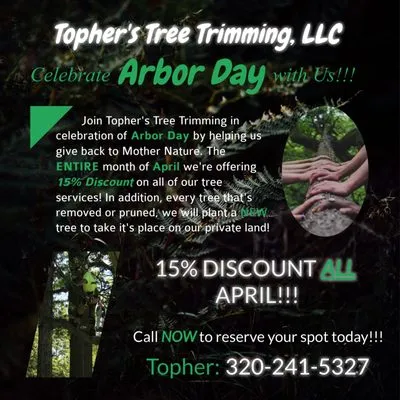
Topher's Tree Trimming is your local partner for tree and landscape health in Saint Cloud, MN. We understand the unique challenges of Central Minnesota, from combating soil compaction in our heavy cla...
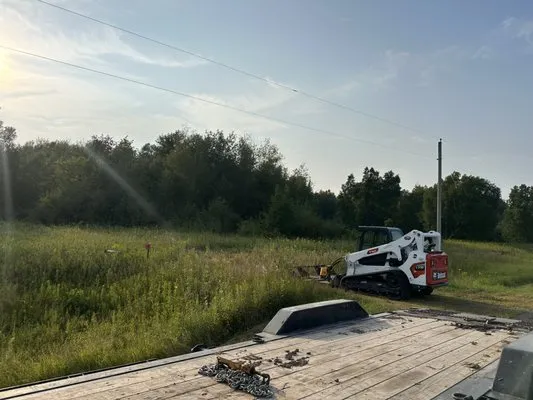
Lent Excavating Landscaping and Forestry
Lent Excavating Landscaping and Forestry is a trusted local contractor serving Little Falls, MN, and surrounding areas like Bowlus and Elk River. With expertise in excavation, landscaping, and forestr...

King Companies LLC is a woman-owned lawn care and landscaping business serving Becker, MN, and the surrounding area. We specialize in comprehensive outdoor services, including lawn care and snow remov...
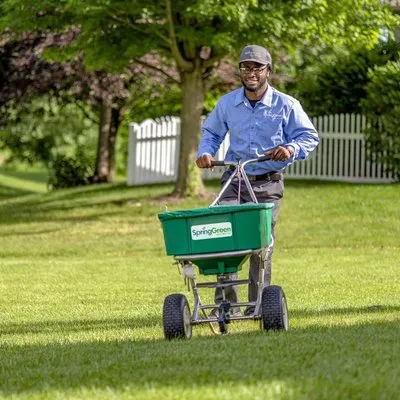
Spring-Green Lawn Care has been a trusted provider of professional lawn, pest, and tree services for Monticello residents for over 45 years. As your local, licensed technicians, we take a responsible ...
Estimated Landscaping Service Costs in Maple Lake, MN
Common Questions
How do I manage invasive species like creeping Charlie without violating fertilizer regulations?
Spot-treat creeping Charlie with iron-based herbicides in early May before mulching, avoiding Minnesota Phosphorus Fertilizer Law restrictions that prohibit phosphorus applications except for documented deficiencies. Manual removal followed by pre-emergent corn gluten application prevents recurrence without chemical runoff concerns. Monitor for garlic mustard and buckthorn, which thrive in Maple Lake's soil conditions, using cut-and-paint techniques with glyphosate during dormant seasons. Always verify treatment timing against Wright County invasive species alerts.
Why does my Maple Lake City Center lawn have such compacted soil that needs annual aeration?
Maple Lake's loamy glacial till soil naturally compacts over time, and with neighborhood homes averaging 48 years since 1978 construction, decades of foot traffic and equipment weight have reduced permeability. This glacial till composition (pH 6.8-7.2) retains structure but requires core aeration every 1-2 years to maintain oxygen exchange and water infiltration. Adding 0.25 inches of compost after aeration introduces organic matter that improves soil biology and reduces future compaction. Without these interventions, the seasonal high water table exacerbates drainage issues in established landscapes.
Are concrete pavers better than wood for durability in Maple Lake's climate?
Concrete pavers and crushed granite outlast wood by 3-4 times in Zone 4b freeze-thaw cycles, requiring no chemical treatments that could leach into soil. These materials maintain integrity for 25+ years with proper base preparation, while wood decays in 8-12 years despite sealing. For Maple Lake's low fire-wise rating urban setting, non-combustible hardscapes provide defensible space without contributing to fire spread. Permeable paver installations meet runoff requirements while preventing heaving from frost action.
What solutions address poor water infiltration in Maple Lake's glacial till soils?
Seasonal high water tables in loamy glacial till require French drains or dry wells to redirect subsurface flow, particularly near foundations. Replacing impermeable surfaces with permeable concrete pavers or crushed granite meets Wright County Planning & Zoning runoff standards by allowing 8-12 inches per hour infiltration. Grading should create a 2% slope away from structures, with soil amendments like expanded shale improving permeability in compacted zones. These interventions prevent standing water that damages turf and hardscapes.
How quickly can you respond to an emergency tree cleanup after a storm in Maple Lake?
Our electric maintenance fleet departs from Maple Lake City Park within 15 minutes of dispatch, using MN-55 for optimal routing to City Center neighborhoods. During peak conditions, arrival occurs within 20-30 minutes, with electric chainsaws and chippers operating within standard noise limits. This response time accommodates both emergency safety clearance and HOA compliance requirements. We prioritize routes based on Wright County storm damage assessments to coordinate with municipal services efficiently.
What permits and licenses are needed for regrading my 0.35-acre Maple Lake property?
Wright County Planning & Zoning requires erosion control permits for any grading disturbing over 0.25 acres, with Minnesota Department of Agriculture licensing mandatory for professionals applying soil amendments. On 0.35-acre lots, engineered drainage plans must demonstrate compliance with county runoff velocity standards. Licensed landscape architects should design retaining walls over 4 feet, while irrigation installers need MDA irrigation specialist certification. These requirements prevent sedimentation in Maple Lake's watershed and ensure proper stormwater management.
How do smart irrigation systems help maintain Kentucky Bluegrass during dry periods without violating water restrictions?
Wi-Fi ET-based weather sensing irrigation calculates evapotranspiration rates specific to Maple Lake's microclimate, applying water only when soil moisture deficits occur. This technology preserves Kentucky Bluegrass and Fine Fescue blends while using 20-30% less water than traditional timers. During Stage 0 restrictions, these systems prevent overwatering that could trigger future limitations. They adjust for rainfall, humidity, and temperature to maintain turf health within municipal water allocation guidelines.
Should I replace some lawn areas with native plants to reduce maintenance and noise?
Transitioning high-maintenance turf to Purple Coneflower, Wild Bergamot, Butterfly Milkweed, and Little Bluestem reduces mowing frequency and eliminates gas-powered blower use, anticipating stricter noise ordinances. These natives thrive in Zone 4b with minimal irrigation once established, supporting 2026 biodiversity standards for pollinators. A phased approach replacing 20% of turf annually creates ecological corridors while maintaining usable lawn space. This strategy cuts maintenance time by 40% and aligns with Minnesota's pollinator habitat initiatives.
