Top Landscaping Services in Long Lake, MN, 55356 | Compare & Call

Otten Bros Garden Center & Landscaping
Otten Bros Garden Center & Landscaping is a family-owned business in Long Lake, MN, with deep roots in the community. Founded over 70 years ago by three brothers—Bert, Joe, and Leonard Otten—who combi...
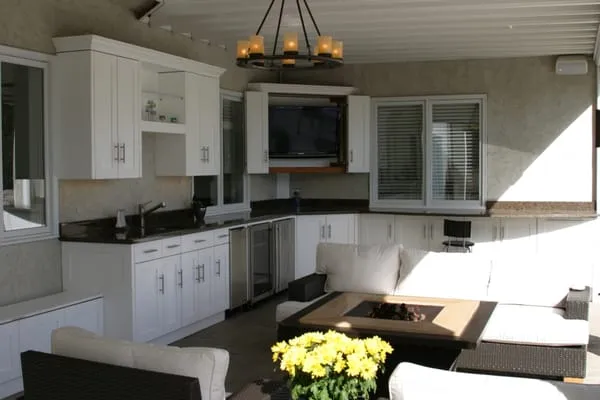
Outdoor Excapes is a Long Lake-based landscape and construction design/build firm dedicated to helping Twin Cities homeowners get the most enjoyment from their properties. We specialize in transformin...

Nutri-Green is a family-owned and operated lawn care service that has been a trusted name in the Minneapolis metro area since 1985. Based in Long Lake, MN, our team is deeply familiar with the specifi...
Common Questions
Should I replace high-maintenance turf with native plants?
Transitioning to Blazing Star, Wild Bergamot, Prairie Dropseed, and Serviceberry reduces mowing frequency and irrigation demands. Native plantings support 2026 biodiversity standards while creating habitat corridors. This approach minimizes gas-powered equipment use, aligning with evolving noise ordinance trends. Established natives require minimal inputs beyond initial establishment.
What permits and licenses are needed for grading my 0.35-acre property?
Grading work on 0.35-acre lots in Long Lake requires approval from the City Planning & Zoning office for erosion control and drainage plans. Contractors must hold appropriate licensing through the Minnesota Department of Labor and Industry. Significant earth moving may trigger additional permits if altering water flow patterns. Professional licensing ensures compliance with state excavation standards.
What solutions work for poor water infiltration in my yard?
Glacial till loam in Long Lake has naturally slow permeability, exacerbating seasonal water table issues. Installing permeable concrete pavers or natural fieldstone creates infiltration zones that meet city runoff standards. French drains with clean gravel layers redirect subsurface water. These systems require Long Lake City Planning & Zoning approval for proper grading.
Can I maintain Kentucky Bluegrass and Fine Fescue during Stage 1 water restrictions?
Smart Wi-Fi soil moisture sensor controllers optimize irrigation by tracking evapotranspiration rates. These systems apply water only when soil moisture drops below turf needs, reducing consumption by 20-30%. This approach preserves turf health while respecting Long Lake's voluntary conservation measures. Proper scheduling prevents runoff into the high water table.
How quickly can you respond to an emergency tree cleanup after a storm?
Emergency storm response from Nelson Lakeside Park via US Highway 12 typically takes 25-35 minutes during peak conditions. Our electric maintenance fleet operates within Long Lake's noise ordinance hours of 7 AM to 9 PM. We prioritize HOA compliance issues with same-day assessment when safety hazards are present.
How do I control invasive species without violating fertilizer regulations?
Common invaders like buckthorn and garlic mustard threaten Long Lake's native ecosystems. Manual removal during dormancy prevents seed spread. Spot treatments with phosphorus-free herbicides comply with Minnesota's fertilizer law. Timing applications outside blackout dates ensures regulatory compliance while protecting soil microbiology and nearby water bodies.
Why does my Long Lake Shores lawn struggle with compaction and poor drainage?
Properties in Long Lake Shores built around 1970 have soil that has matured for approximately 56 years in USDA Zone 4b. The glacial till loam with pH 6.8-7.2 tends to compact over decades, reducing permeability. Core aeration and adding organic amendments like compost improve soil structure and water infiltration. This addresses the high seasonal water table common in these lots.
Are concrete pavers better than wood for patio materials in our climate?
Concrete pavers and natural fieldstone outperform wood in USDA Zone 4b due to freeze-thaw resistance and minimal maintenance. These materials maintain structural integrity for decades without rotting or insect damage. Their non-combustible nature supports Firewise defensible space requirements in urban interface zones. Proper installation prevents heaving from frost penetration.
