Top Landscaping Services in Little Canada, MN, 55109 | Compare & Call

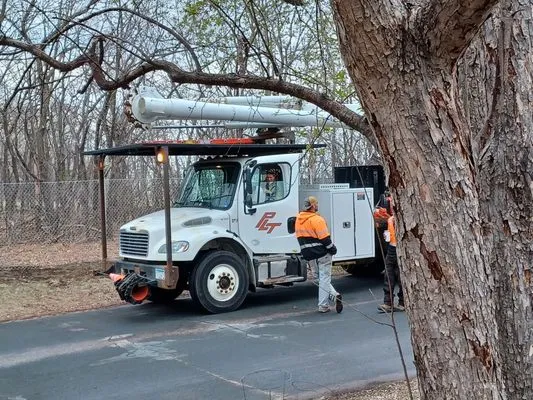
Precision Landscape and Tree is a family-run tree care and landscaping company with deep roots in Little Canada. Founded nearly 40 years ago by Mac Groholski, who moved to Minnesota to combat Dutch El...

Twin City Hydro Seeding
Twin City Hydro Seeding is a trusted, environmentally conscious landscaping partner serving Little Canada and the greater Twin Cities metro for over a decade. Specializing in hydro seeding, we use a s...
Proscapes Landscape & Lawn Services
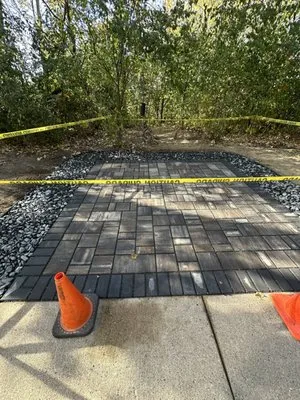
Proscapes Landscape & Lawn Services is a trusted, locally-owned team serving Little Canada and the surrounding area. We specialize in blending hardscape construction with expert lawn care to create co...
Andy's Lawn Care is your trusted, locally-owned lawn service provider in Little Canada, MN. We understand the unique challenges homeowners face in our community, from rock garden shifting due to seaso...

George's Contracted Services
George's Contracted Services is a trusted, locally-owned business in Little Canada, MN, specializing in landscaping, snow removal, and masonry/concrete work. We understand the common challenges homeow...
Questions and Answers
What permits and licenses are needed for grading my 0.25-acre lot?
The Little Canada Planning & Zoning Department requires grading permits for soil movement exceeding 50 cubic yards. Contractors must hold Minnesota Department of Labor and Industry licensing for excavation work, ensuring proper erosion control and drainage compliance. Professional certification verifies understanding of local soil percolation rates and setback requirements.
What solutions prevent spring snowmelt flooding in sandy loam soils?
High spring saturation in slightly acidic sandy loam requires permeable hardscape materials like crushed granite or concrete pavers with open joints. These installations increase infiltration rates while meeting Little Canada Planning & Zoning Department runoff standards. French drains with clean stone aggregate provide additional subsurface drainage capacity.
Can I maintain Kentucky Bluegrass during Stage 1 water restrictions?
Smart Wi-Fi ET-based irrigation systems calculate evapotranspiration rates using local weather data, applying water only when turfgrass requires it. This technology reduces water use 30-50% compared to traditional timers while preserving Fine Fescue blends through dry periods. Systems automatically adjust during voluntary conservation stages.
What invasive species threaten Little Canada landscapes?
Buckthorn and creeping Charlie establish readily in disturbed sandy loam soils. Manual removal followed by native groundcover planting prevents resurgence without chemical dependence. The Minnesota Phosphorus Fertilizer Law prohibits lawn applications, making organic soil amendments and proper mowing height crucial for competitive turfgrass health.
How can I reduce maintenance while supporting local ecology?
Replacing high-input turf with Purple Coneflower, Butterfly Milkweed, Little Bluestem, and Wild Bergamot creates pollinator habitat requiring minimal care. These natives thrive in USDA Zone 4b without supplemental irrigation or frequent mowing. Electric maintenance equipment operates quietly within noise ordinance hours while eliminating gas emissions.
Are concrete pavers better than wood for fire-resistant landscaping?
Concrete pavers and crushed granite provide non-combustible surfaces that maintain defensible space in Moderate Fire Wise rated zones. Unlike wood decking, these materials resist weathering in Minnesota's freeze-thaw cycles while requiring no chemical treatments. Their permeability also reduces runoff compared to solid concrete installations.
How quickly can you respond to storm damage for HOA compliance?
Emergency cleanup crews dispatch from Gervais Lake Park via I-35E to reach Little Canada neighborhoods within 20-30 minutes during peak conditions. Electric equipment meets noise ordinance restrictions for early morning or evening work, allowing immediate debris removal while maintaining community standards.
Why does my Little Canada lawn have drainage issues and compacted soil?
Properties in the Little Canada Residential District built around 1979 have 47-year-old soil systems. Slightly acidic sandy loam naturally compacts over decades, reducing permeability and creating spring saturation. Core aeration with organic amendments like composted leaf mold addresses compaction while maintaining the optimal pH 6.2-6.8 range for turfgrass health.
