Top Landscaping Services in Lakeland, MN, 55043 | Compare & Call

There are 126 landscaping companies server in Lakeland MN
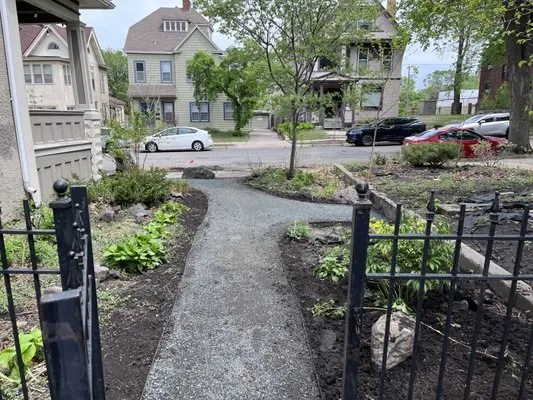
ELZO Landscape & Design is a Minneapolis-based landscaping company with over a decade of hands-on experience creating modern, low-maintenance outdoor spaces. We specialize in blending clean design wit...

Organic Lawns by Lunseth
Organic Lawns by Lunseth is a Bloomington, MN-based family business founded on a commitment to environmentally responsible lawn care. Co-owners Shay and Eric Lunseth combine professional horticulture ...
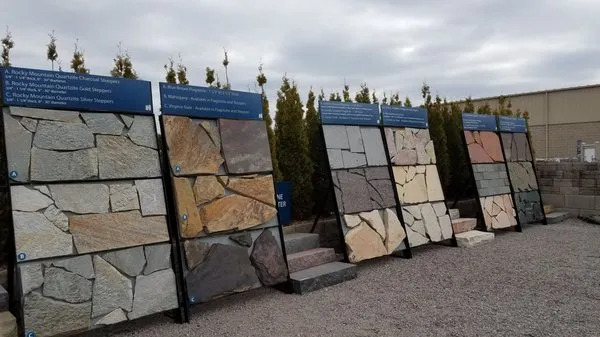
SiteOne Landscape Supply
SiteOne Landscape Supply in Plymouth, MN, carries forward a deep-rooted legacy of supplying the Twin Cities with quality materials. The company's history traces back over a century to the early 1900s ...
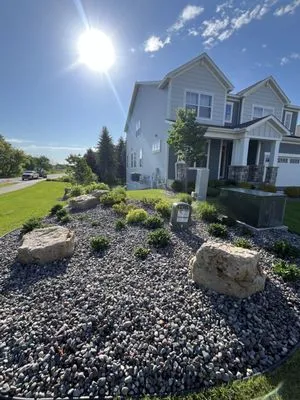
High Country Services is a residential and commercial landscaping company based in Elk River, MN, founded in 2024 with over 10 years of industry experience. Starting at age 16 and working through coll...
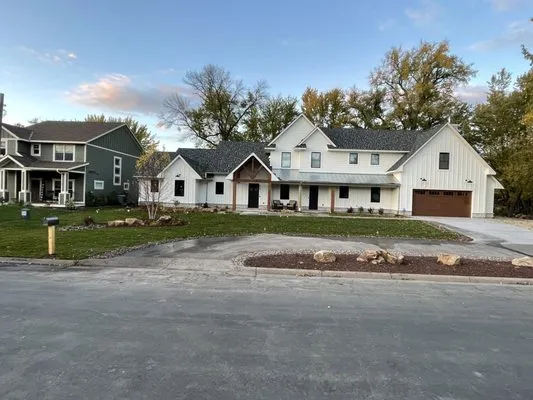
ALL Outdoors LLC is a family-owned landscaping, irrigation, and excavation business serving Hastings, MN, and surrounding areas. We specialize in comprehensive irrigation services including system des...
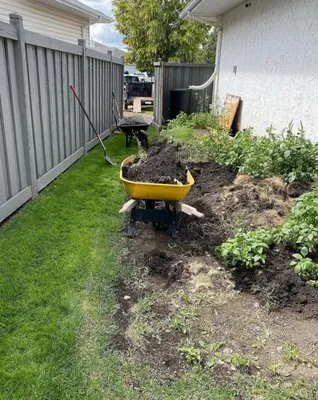
Keewaydin Lawn Services began in 2018 with founder Julie Dawson's vision for a more personal and sustainable approach to lawn care. Frustrated with corporate cookie-cutter methods, Julie started with ...
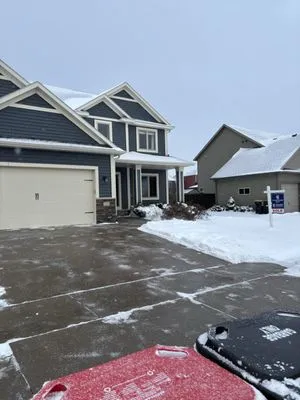
Bloom & Blade Property Maintenance is a Minneapolis-based company dedicated to keeping your property looking its best and functioning safely through every Minnesota season. We understand the unique ch...

At bioLawn in Newport, MN, our story is rooted in a lifelong passion for turfgrass that began on childhood golf courses and grew into careers serving lawns, sports fields, and golf courses nationwide....
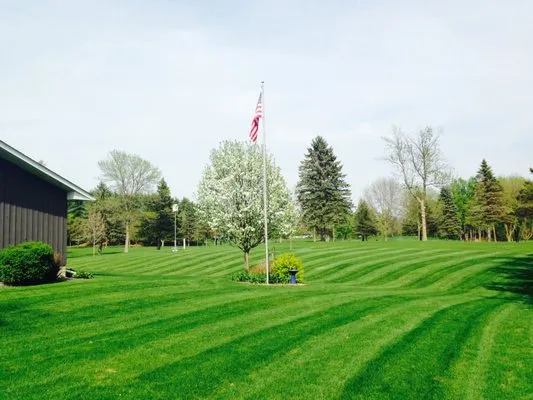
St Croix Valley Lawn & Pool has been a trusted Stillwater, MN provider of comprehensive outdoor property care since 1995. We specialize in residential lawn maintenance and full-service pool care, serv...
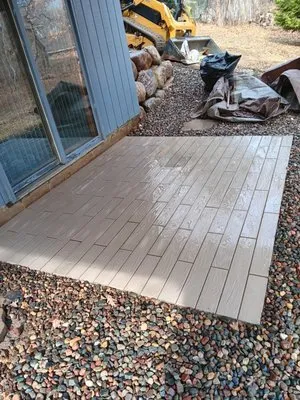
Nate's Custom Patios is a Lakeville-based landscaping and masonry business with 25 years of hands-on experience in the industry. Owner Nate has worked extensively as a laborer and foreman, bringing pr...
Estimated Landscaping Service Costs in Lakeland, MN
Question Answers
I'm tired of weekly mowing. Are there lower-maintenance, eco-friendly options for my yard?
Absolutely. Transitioning areas of high-maintenance turf to a climate-adaptive xeriscape with native plants is a forward-looking strategy. Species like Little Bluestem, Purple Coneflower, and Butterfly Milkweed are adapted to Zone 4b and require no mowing, minimal water, and no synthetic fertilizers. This shift also aligns with the move toward electric maintenance fleets, as these plantings generate little debris, reducing or eliminating the need for gas-powered blowers restricted by local noise ordinances.
We're adding a patio. Are concrete pavers a better long-term choice than a wooden deck for our area?
For longevity and low maintenance in Lakeland's climate, concrete pavers and crushed granite are superior to wood. They do not rot, warp, or require sealing, and their permeability aids in managing the high water table. From a fire safety perspective, these non-combustible materials contribute directly to creating the defensible space recommended for properties with a Moderate Fire Wise rating in the Wildland-Urban Interface, unlike wooden structures which are a fuel source.
How can I keep my Kentucky Bluegrass lawn healthy during summer while following water conservation guidelines?
Under Lakeland's Level 1 voluntary conservation, efficient irrigation is key. Smart Wi-Fi soil moisture sensor controllers are the standard solution. These devices schedule watering based on real-time evapotranspiration (ET) data and soil conditions, not just a timer. This prevents overwatering, encourages deeper root systems in your sandy loam, and keeps your turfgrass mix healthy while staying well within municipal water use expectations.
A storm just knocked down a large branch. How quickly can someone get here for an emergency cleanup?
For emergency storm response, our dispatch from Lakeland City Hall prioritizes the I-94 corridor for access. With current traffic conditions, our electric fleet can typically reach properties in the Lakeland Riverview neighborhood within the 20-30 minute peak response window. This rapid deployment is designed to clear hazards and ensure safety, operating in full compliance with local noise ordinances.
We want to regrade part of our half-acre lot. What permits or contractor qualifications should we look for?
Regrading a 0.45-acre lot often requires a permit from Washington County Planning and Zoning, especially if it alters water flow to adjacent properties or involves significant cut and fill. It is crucial to hire a contractor licensed by the Minnesota Department of Labor and Industry. This licensing ensures they carry the required insurance and understand state codes, protecting you from liability related to improper drainage, structural damage, or violation of erosion control standards.
My lawn in Lakeland Riverview seems thin and compacted. Could the soil itself be the problem?
Given the average home build year of 1975, your soil is roughly 51 years old and likely has significant maturation issues. The original slightly acidic sandy loam has probably become compacted from decades of foot traffic and standard maintenance. This compaction reduces pore space, limiting root growth and water percolation. To restore health, core aeration followed by top-dressing with composted organic matter is essential to rebuild soil structure and microbial activity.
I see a fast-spreading vine taking over a garden bed. How should I handle it without harming my other plants?
Early identification and control of invasive species like Buckthorn or Creeping Bellflower is critical. Manual removal, ensuring you extract the entire root system, is most effective for small infestations. For larger areas, a targeted, foliar-applied glyphosate in late summer or early fall can be used, but you must carefully avoid drift onto desirable plants. Note that these treatments are separate from fertilizer applications and must not violate the Minnesota Phosphorus Fertilizer Law, which prohibits phosphorus use on established turf.
My yard stays soggy in spring and seems to shift in winter. What's causing this and how do I fix it?
You are describing the classic symptoms of a high seasonal water table combined with frost heave potential, common in our soil profile. Sandy loam can drain quickly but a shallow hardpan or compaction layer can trap water. Solutions include installing French drains or dry wells to manage subsurface flow. Using permeable materials like concrete pavers or open-graded crushed granite for patios and paths also reduces surface runoff, which may be required by Washington County Planning and Zoning for new installations.
