Top Landscaping Services in Lake Shore, MN, 56468 | Compare & Call
There are 70 landscaping companies server in Lake Shore MN
True North Cabin Care is your dedicated partner for seasonal property management in the Pequot Lakes area. We specialize in the comprehensive care of cabins and vacation homes, ensuring they are secur...
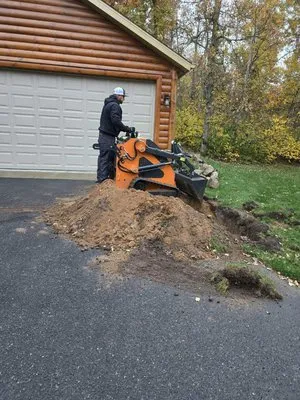
RD Services Lakes Country LLC is a locally-owned and operated business serving Pequot Lakes, Minnesota, and the surrounding Lakes Country area. We specialize in comprehensive tree services, reliable s...
Northland - Pequot Lakes
Northland - Pequot Lakes is a trusted, full-service contractor in Pequot Lakes, MN, specializing in landscaping, masonry/concrete, and insulation installation. We understand the unique challenges of o...
Mike's Mowing is a trusted local lawn care provider serving Nisswa, MN, and the surrounding Brainerd Lakes area. We specialize in comprehensive lawn maintenance and landscaping solutions tailored to o...
Nick's Lawn Service is a trusted, locally-owned provider in Breezy Point, MN, offering comprehensive lawn care, snow removal, and tree care services. We understand the unique challenges homeowners fac...
Turfcare is a locally owned and operated lawn service company serving Lake Shore and surrounding Minnesota communities since 1987. Our expertise is built on decades of hands-on experience with the spe...
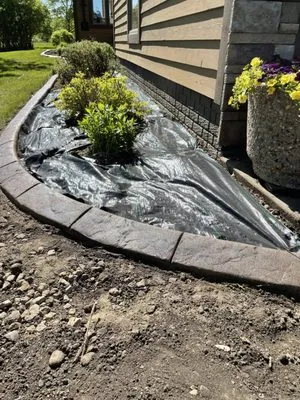
Johnson Curbing is your trusted, local landscaping and concrete expert in Pequot Lakes, MN. We specialize in creating durable, aesthetically pleasing landscape borders and hardscapes that enhance prop...
Willy's By The Water Lawncare And Landscaping is a trusted local provider in Pequot Lakes, MN, specializing in comprehensive lawn care services. We understand the unique challenges homeowners face in ...

Arrow Management is a trusted local lawn care and snow removal company serving Nisswa, MN homeowners. We specialize in addressing common local landscaping challenges like dying shrubs and lawn fungus ...
Tuner Landscaping is a Brainerd, MN-based landscaping company dedicated to enhancing and maintaining the beauty of local properties. We specialize in addressing common area challenges like landscape e...
Estimated Landscaping Service Costs in Lake Shore, MN
FAQs
What permits and licenses are needed to regrade our sloped backyard?
Regrading 0.75 acres requires Cass County Environmental Services approval for erosion control and drainage modifications. The Minnesota Department of Labor and Industry mandates licensed landscape contractors for any excavation exceeding 12 inches depth or affecting structural foundations. Professionals must carry specific bonding for projects altering more than 10% of lot drainage patterns. Unlicensed grading risks $5,000 fines and mandatory restoration orders.
We want to reduce mowing and gas equipment noise. What are our options?
Replace 40% of turf with butterfly weed, wild bergamot, and purple prairie clover—native species requiring zero mowing. These deep-rooted perennials thrive in pH 5.8-6.5 soils while supporting 2026 biodiversity targets. Electric maintenance equipment operates below 65 decibels, complying with 10:00 PM-7:00 AM noise restrictions. The transition cuts weekly mowing frequency from May-September to biweekly spot treatments.
We spotted creeping bellflower invading our perennial beds. How do we treat it safely?
Creeping bellflower (Campanula rapunculoides) spreads aggressively through rhizomes in Zone 4a. Manual removal requires digging 12 inches deep to extract all root fragments. For chemical control, use glyphosate spot treatments in early May—avoiding Minnesota's phosphorus ban (Statute 18C.60) by selecting nitrogen-only formulations. Never treat during drought stress or when temperatures exceed 85°F to prevent herbicide volatilization.
Our Lake Shore Residential District yard seems compacted and drains poorly. What's happening with our soil?
Lake Shore lots developed around 1992 have 34-year-old soil profiles. Acidic sandy loam (pH 5.8-6.5) naturally compacts over decades, reducing permeability to 0.5 inches per hour. This neighborhood's glacial till substrate exacerbates seasonal frost-heave potential. Core aeration with 3-4 inch depth and 2% organic matter amendments will restore pore space without altering pH balance.
How do we maintain Kentucky Bluegrass without violating water conservation guidelines?
Smart Wi-Fi soil moisture sensors prevent overwatering by tracking evapotranspiration rates specific to Zone 4a. These controllers deliver 1-1.5 inches weekly only when soil tension exceeds 40 centibars, aligning with voluntary conservation standards. Programming separate zones for Kentucky Bluegrass and fine fescue accounts for their differing drought tolerances. This approach reduces municipal water use 30-40% while preserving turf health.
Our yard floods every spring. What drainage solutions work with our high water table?
Acidic sandy loam's limited permeability (0.5 in/hr) combines with Lake Shore's high water table to create seasonal ponding. Install 4-inch perforated PVC drains at 18-inch depth, sloping 1% toward rain gardens planted with big bluestem. Replace impervious surfaces with permeable concrete pavers (0.5 in/hr infiltration) and crushed granite (2.0 in/hr). These modifications meet Cass County Environmental Services' runoff reduction standards for 0.75-acre lots.
We need emergency storm cleanup before an HOA inspection tomorrow. How quickly can you respond?
Our electric fleet dispatches from Gull Lake Recreation Area via Minnesota State Highway 371, reaching Lake Shore Residential District within 45-60 minutes during peak conditions. We prioritize debris removal that violates HOA covenants: downed limbs exceeding 6-inch diameter, turf damage from fallen branches, and hardscape obstruction. All work complies with the 10:00 PM noise ordinance cutoff.
Should we use wood or concrete for our new patio in this wildfire-prone area?
Concrete pavers outperform wood in Lake Shore's Moderate Wildland-Urban Interface Zone. They provide 30+ year longevity versus wood's 10-15 years with constant maintenance. Pavers maintain defensible space requirements by resisting ember ignition and limiting flammable material within 5 feet of structures. Their thermal mass also moderates frost-heave damage better than suspended wood decks on this soil type.
