Top Landscaping Services in Lake Crystal, MN, 56055 | Compare & Call

There are 20 landscaping companies server in Lake Crystal MN
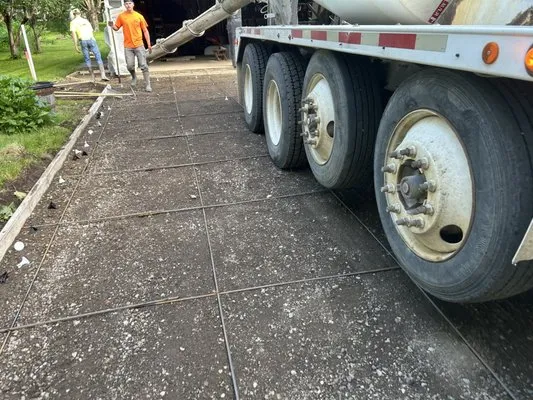
Jim Schmidt Concrete and Masonry
Jim Schmidt Concrete and Masonry is a Mapleton-based, family-owned business specializing in expert stonemasonry and concrete work. For local homeowners facing common landscaping challenges like moss g...
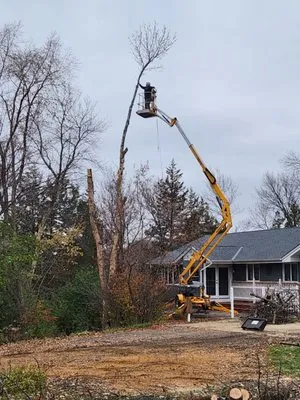
SouthWest Services is a trusted Belle Plaine tree and landscaping company serving the local community with comprehensive outdoor solutions. We specialize in landscape construction, maintenance, and ex...
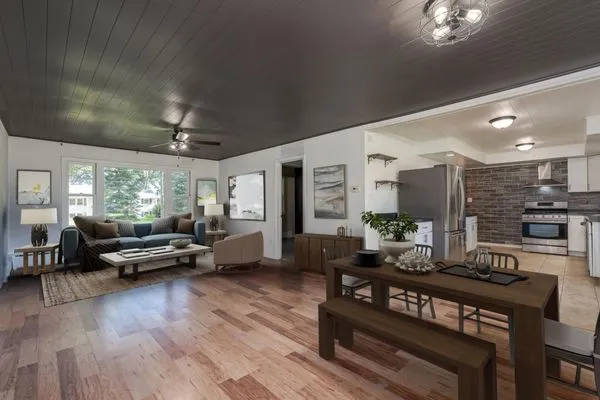
Creative Clean began in 2021 after its founders faced a series of life-altering challenges, including job loss and a serious injury. In rebuilding their lives, they discovered the profound comfort of ...
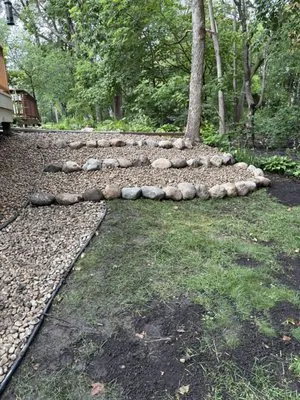
Gross To Gone is a Mankato-based home solutions company that transforms spaces and reimagines waste. We specialize in landscaping, gutter cleaning, and comprehensive junk removal. Our approach goes be...

Founded by twin brothers with a shared passion for the outdoors, Busch Brothers Landscaping brings over six years of combined expertise to Mankato and the surrounding communities. We are dedicated to ...

Triple T's Services, founded by Tanner in Mankato, began with a simple but powerful goal: to make the world a better place through conscientious service. This commitment is still at the heart of every...
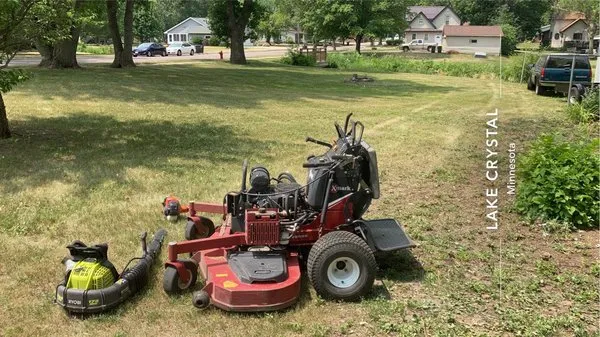
Rosin Bros Lawn Care is a trusted, family-owned provider serving Nicollet, MN, and the surrounding area. We specialize in comprehensive lawn care and reliable snow removal, helping homeowners maintain...
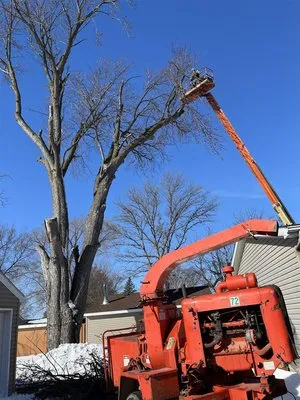
Dawgs Dig Cut and Haul
Dawgs Dig Cut and Haul is a locally owned and operated service in Madison Lake, MN, dedicated to helping homeowners and businesses manage their outdoor spaces. We provide a practical range of services...
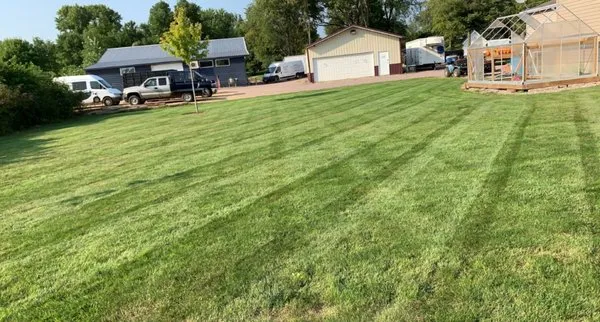
JP's Lawn Care Services is a Nicollet-based provider offering reliable lawn care solutions tailored to the local community. We specialize in maintaining healthy, vibrant lawns while addressing common ...

Simple Lawn Service is a locally owned and operated lawn care business in Nicollet, Minnesota. As a solo operator, I provide personalized attention to detail for every client, focusing on the core ser...
Estimated Landscaping Service Costs in Lake Crystal, MN
Frequently Asked Questions
My Lake Crystal yard has compacted soil that won't drain well. What's causing this in our neighborhood?
Lake Crystal Residential District homes average 52 years of soil maturity since 1974 construction. Clarion-Nicollet-Webster Loam soils naturally develop compaction layers from decades of foot traffic and equipment weight. The pH range of 6.8-7.4 indicates adequate alkalinity, but permeability suffers without intervention. Core aeration with organic compost amendments every 2-3 years breaks up compaction while maintaining soil structure.
What low-maintenance alternatives work better than traditional turf in our climate?
Transitioning to native plantings like Purple Coneflower, Butterfly Milkweed, Little Bluestem, and Wild Bergamot reduces maintenance by 70-80%. These species thrive in USDA Zone 4b without irrigation once established. Electric maintenance equipment operates quietly within noise ordinance hours while eliminating gas emissions. This approach creates habitat for pollinators and reduces water consumption long-term.
How do we keep Kentucky Bluegrass healthy during voluntary water conservation periods?
Smart Wi-Fi weather-based controllers use evapotranspiration (ET) data to apply precise irrigation only when needed. These systems reduce water use 20-40% while maintaining turf health by tracking soil moisture and rainfall. Programming deep, infrequent watering cycles encourages deeper root growth in Clarion-Nicollet-Webster soils. This approach meets Stage 1 conservation goals without compromising your lawn's appearance.
We need emergency storm cleanup before an HOA inspection tomorrow. How quickly can you respond?
Our electric fleet dispatches from Crystal Waters Park within 20 minutes via MN-60 to Lake Crystal Residential District. Peak storm response reaches most properties in 20-30 minutes while complying with 7:00 AM to 9:00 PM noise ordinances. We prioritize debris removal and turf restoration to meet compliance deadlines without disturbing neighbors during restricted hours.
Do we need permits for regrading our 0.25-acre lot to improve drainage?
Yes, Blue Earth County Planning & Zoning requires permits for significant grading that alters water flow patterns. Contractors must hold appropriate licensing through the Minnesota Department of Labor and Industry for earthwork exceeding 50 cubic yards. Professional grading ensures proper slope away from foundations while managing stormwater runoff. Unpermitted work can result in fines and may not meet current drainage standards for your soil type.
We have creeping Charlie taking over our lawn. How do we treat it without violating fertilizer rules?
Creeping Charlie (Glechoma hederacea) spreads aggressively in Minnesota's Zone 4b. Spot-treat with iron-based herbicides in early fall when the plant is actively storing nutrients. Avoid phosphorus-containing products per MN Statute 18C.60, and time applications outside of spring runoff periods to prevent water contamination. Improving soil health through aeration and proper mowing height creates conditions unfavorable for this invasive species.
Should we use concrete pavers or wood for our new patio considering fire safety?
Concrete pavers provide superior longevity with 25+ year lifespans versus wood's 10-15 years in Minnesota's freeze-thaw cycles. For Lake Crystal's Low Wildland-Urban Interface rating, non-combustible materials create defensible space around structures. Crushed limestone pathways offer additional firebreaks while allowing water infiltration. These materials require minimal maintenance and won't decompose or create fuel for potential fires.
Our yard floods every spring with seasonal saturation. What solutions work for our soil type?
Clarion-Nicollet-Webster Loam's high clay content causes poor percolation during spring runoff. Installing French drains with clean gravel and replacing impermeable surfaces with permeable concrete pavers reduces surface water. Blue Earth County Planning & Zoning requires drainage plans that manage runoff on-site. Crushed limestone pathways also improve infiltration while providing stable walking surfaces during wet periods.
