Top Landscaping Services in Lake City, MN, 55041 | Compare & Call
There are 51 landscaping companies server in Lake City MN
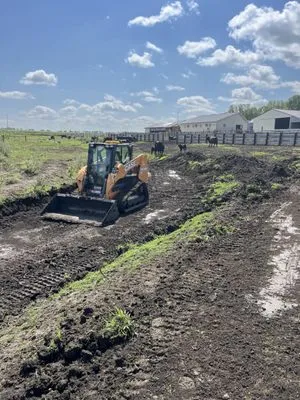
Engel Companies is a trusted excavation and landscaping contractor serving Hastings, MN, and the surrounding areas. With expertise in soil backfilling, earthmoving, excavation, and comprehensive lands...

OneCall Solutions in Red Wing, MN, is a versatile service provider that simplifies home and vehicle care by combining professional moving, landscaping, and auto detailing into one reliable team. We se...
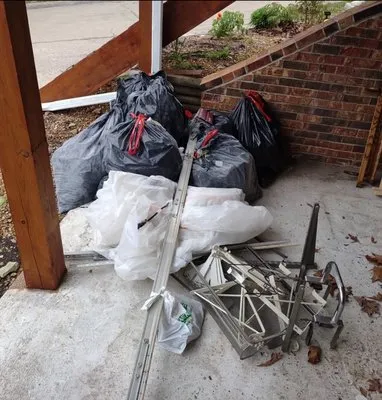
Abdi's Lawn Care is a locally owned and operated service in Rochester, MN, built on a foundation of reliability and a deep understanding of local lawn needs. We know your time is valuable, so punctual...
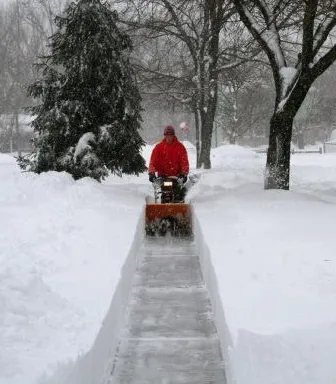
TNT Lawn and Snow Services is a family-operated business established in 1999, providing reliable lawn care and snow removal services throughout Southeast Minnesota. Based in Fountain, owner Ted Reinha...
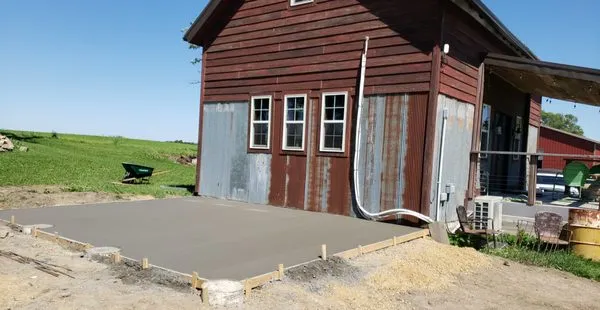
Triple Creek Concrete & Masonry is a family-owned business serving Zumbro Falls and surrounding areas with over 15 years of operation and 10+ years of hands-on concrete and masonry experience. Founded...
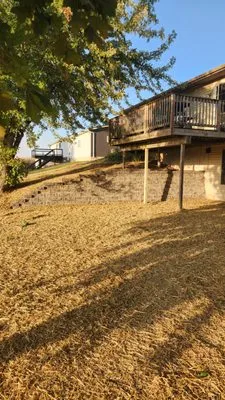
The Rustic Rose Lawn and Landscape
The Rustic Rose Lawn and Landscape is a trusted, insured lawn care and landscaping service based in Spring Valley, MN, serving the local community and surrounding areas since 2019. We specialize in co...
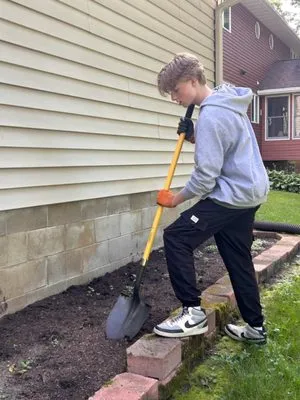
Kramer Solutions, based right in Rochester's Apple Hill neighborhood, is a locally owned and operated service dedicated to helping residents reclaim their time and maintain their properties. Founded b...
Pristash Outdoor Innovations is a masonry, concrete, and landscaping company serving Eyota, MN, and the surrounding area. We specialize in irrigation construction, landscape design, and full-scale ins...
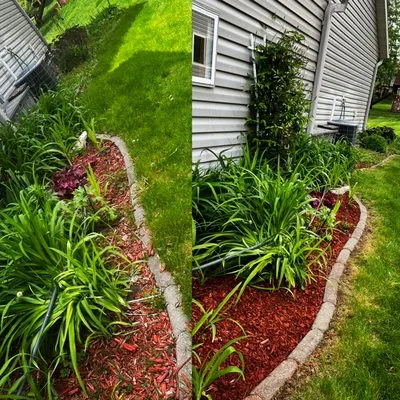
Triple Shot Lawn & Landscape is a family-owned business serving Rochester, MN, founded in 2024 by owners Ej and Hayven. Drawing on over a decade of combined experience in lawn care, tree work, and gar...

Handyman Vet is a veteran-owned home services company serving Cannon Falls, MN, and surrounding areas. Founded by local veterans, we specialize in drywall installation and repair, comprehensive landsc...
Estimated Landscaping Service Costs in Lake City, MN
Q&A
What should I do if I spot an invasive species like Buckthorn or Creeping Bellflower in my garden?
Immediate, proper identification and containment are crucial. For woody invasives like Buckthorn, mechanical removal is best, ensuring the root crown is excavated. Herbaceous types like Creeping Bellflower require careful, persistent digging to remove all rhizomes. Treatment must comply with the Minnesota Phosphorus Fertilizer Law; avoid any soil amendments with phosphorus during remediation. For severe infestations, targeted, licensed herbicide application may be necessary, but always as part of an integrated plan focused on restoring native plant communities.
Why does the contractor need a special license just to regrade my 0.22-acre backyard?
In Minnesota, any excavation, filling, or grading that disturbs more than a minimal amount of soil is regulated. On a 0.22-acre lot, such work can significantly impact drainage patterns and bluff stability, affecting neighboring properties. The Minnesota Department of Labor and Industry requires specific licensing for landscape contractors performing earthwork. Additionally, the Lake City Planning and Zoning Department often requires a permit to ensure plans comply with erosion control and stormwater management ordinances, protecting both your property and the community's infrastructure.
How quickly can a crew respond for an emergency tree cleanup after a storm to meet HOA deadlines?
For urgent compliance or safety issues, our dispatch from the Ohuta Park area uses US Highway 61 for efficient north-south access throughout Lake City. This routing typically enables a crew arrival within the 15-20 minute emergency response window. We prioritize these calls with equipped vehicles to handle immediate debris removal and stabilization, ensuring the site is made safe and compliant with local ordinances the same day.
Are concrete pavers and limestone a better choice than wood for a new patio near the tree line?
In Lake City's Moderate Fire Wise (WUI Zone 2) rating, non-combustible materials are recommended for defensible space. Concrete pavers and local limestone offer superior longevity and fire resistance compared to wood, which requires chemical treatments. These materials also provide excellent thermal mass, moderating temperature swings. Their durability and low maintenance align with the site's conditions, avoiding the decay and replacement cycle of wood and creating a permanent, safe hardscape zone.
I want to reduce mowing and gas equipment noise. What's a good long-term alternative to grass?
Transitioning high-maintenance turf to a climate-adaptive xeriscape with native plants is a forward-looking solution. Species like Purple Coneflower, Wild Bergamot, Little Bluestem, and Butterfly Milkweed are adapted to Zone 4b, requiring no irrigation once established and minimal seasonal care. This conversion eliminates weekly mowing, aligning with evolving noise ordinances that restrict gas-powered blowers and mowers. The resulting habitat also supports local pollinators and meets 2026 biodiversity benchmarks for urban landscapes.
My property is on a bluff and water runoff is causing erosion. What are the best solutions?
Bluff-side lots have a high erosion risk due to slope and Silty Loam's moderate permeability. The primary strategy is to interrupt and absorb runoff. Installing a series of permeable dry creek beds lined with local limestone can channel water safely. Replacing solid surfaces with permeable concrete pavers for patios or walkways increases ground infiltration. These solutions often require a grading permit from the Lake City Planning and Zoning Department, which has standards for managing runoff to protect bluff stability.
Why does the soil in my Downtown Lake City yard feel so hard and compacted compared to new construction areas?
Homes built around the 1976 average have soils approximately 50 years in development. In this area, the native Silty Loam has been compacted over decades by construction, foot traffic, and standard maintenance, reducing porosity and organic matter. This mature soil often develops a dense layer that impedes root growth and water percolation. An annual core aeration program, paired with top-dressing compost, is critical to rebuild soil structure and reintroduce the biological activity needed for healthy turf and planting beds.
Is it possible to have a green lawn all summer without violating water conservation guidelines?
Yes, using modern Smart Wi-Fi Weather-Based Controllers is the standard for efficiency. These systems use real-time evapotranspiration (ET) data and local forecasts to adjust schedules, applying water only when needed. For your Kentucky Bluegrass and Fine Fescue mix, this means deep, infrequent watering that encourages drought-tolerant roots. This technology optimizes uptake within voluntary conservation limits, maintaining turf health while significantly reducing municipal water use compared to traditional timer-based systems.
