Top Landscaping Services in Kenyon, MN, 55946 | Compare & Call
There are 49 landscaping companies server in Kenyon MN

Westy !nc is a locally owned and operated tree and lawn service provider serving Rochester, MN. Our team specializes in comprehensive care for your landscape, from routine tree trimming and pruning to...
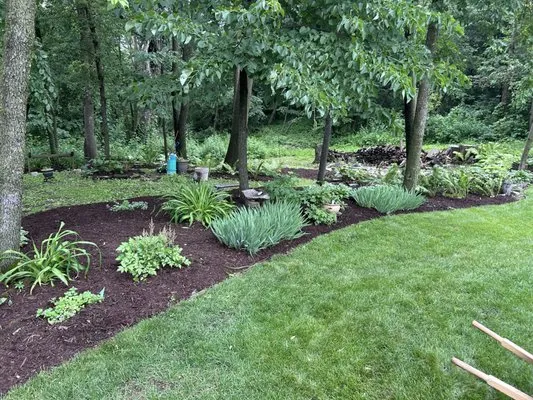
GT Landscaping & Snow Removal is a locally-owned, full-service company serving Owatonna and the surrounding areas. We provide comprehensive year-round care for your property, from spring landscaping a...

G&S Construction is a trusted, full-service contractor serving Rochester, MN, and the surrounding areas. We specialize in masonry, concrete, landscaping, and general construction, offering a comprehen...
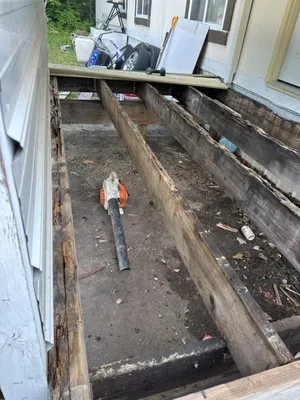
J&Vida Landscaping is a trusted, full-service landscaping company serving the Faribault, MN community. We specialize in solving the common local landscaping challenges homeowners face, such as damaged...

JC Lawn Care is your trusted, local lawn service provider in Saint Charles, MN. We specialize in comprehensive lawn care tailored to address the specific challenges of our area, particularly moss grow...

Bronson Shea Mowing & Trimming is a locally owned and operated landscaping and tree service business serving Eyota, MN, and the surrounding communities. With a focus on personalized care and reliable ...
For over a decade, Tim's Outdoor Services has been the trusted local solution for Montgomery property owners. We specialize in excavation, lawn care, snow removal, and trench digging, providing year-r...
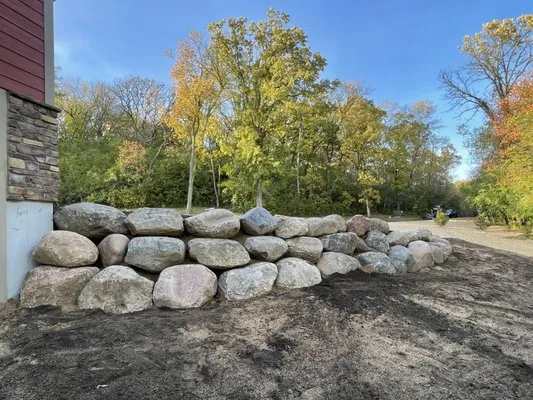
LNG Landscapes
Founded in 2016 by a team of local Woodbury athletes, LNG Landscapes has grown from simple lawn care into a trusted, full-service landscape design and installation company serving Oakdale and the surr...
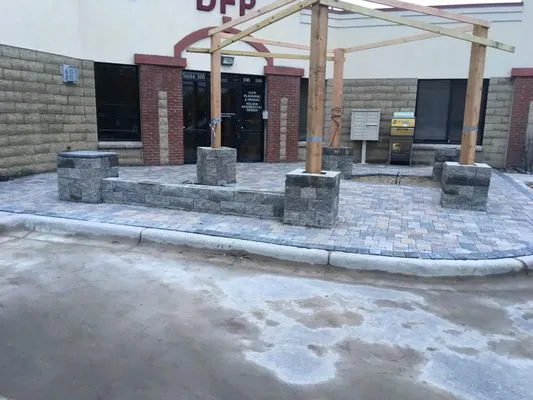
Outdoor Decor Landscape
Outdoor Decor Landscape LLC is a local landscaping contractor serving the Rosemount, MN community and surrounding areas including Empire Township, Inver Grove Heights, Mendota Heights, South St. Paul,...

Engel Companies is a trusted excavation and landscaping contractor serving Hastings, MN, and the surrounding areas. With expertise in soil backfilling, earthmoving, excavation, and comprehensive lands...
Estimated Landscaping Service Costs in Kenyon, MN
Common Questions
What permits and licenses are required for landscape renovations?
Grading work on Kenyon's 0.22-acre standard lots requires Kenyon City Hall Planning & Zoning permits for soil disturbance exceeding 50 cubic yards. The Minnesota Department of Labor and Industry licenses contractors for structural elements like retaining walls over 4 feet. Professional licensing ensures compliance with state erosion control standards and building codes. Documentation must demonstrate adherence to municipal setback requirements and drainage patterns.
What solutions address seasonal flooding in clay subsoils?
Seasonal high water tables in Kenyon's Mollisols require French drains or dry wells to redirect subsurface flow. Permeable concrete pavers and crushed granite hardscapes meet Kenyon City Hall Planning & Zoning runoff standards by allowing infiltration. Grading adjustments with 2% minimum slope direct water away from foundations. These approaches combat poor infiltration in clay layers while maintaining soil structure integrity.
How quickly can you respond to storm damage for HOA compliance?
Emergency cleanup crews dispatch from Sauk Valley Park via MN-56, reaching Downtown Kenyon properties within 20-30 minutes during peak response windows. Our electric maintenance fleet operates within Kenyon's noise ordinance restricting commercial equipment before 7:00 AM. We prioritize safety assessments before debris removal, documenting conditions for insurance claims. Response timing accounts for traffic patterns and accessibility of the 0.22-acre standard lot size.
Which hardscape materials offer durability and fire safety?
Concrete pavers and crushed granite provide superior longevity compared to wood, with 30+ year lifespans in Minnesota's freeze-thaw cycles. These materials support Firewise USA moderate-risk community guidelines by creating defensible space without combustible organic matter. Proper installation includes geotextile fabric and compacted aggregate bases for stability. Material selection considers thermal mass properties for microclimate moderation around structures.
How do I maintain healthy turf without violating water restrictions?
Smart Wi-Fi soil moisture sensor controllers optimize irrigation by tracking evapotranspiration rates and soil saturation levels. These systems preserve Kentucky Bluegrass and Fine Fescue blends while staying within Stage 0 municipal water limits through precision scheduling. Proper calibration accounts for Kenyon's seasonal precipitation patterns and soil percolation rates. This technology typically reduces water usage 30-40% compared to traditional timer-based systems.
How do I manage invasive species without chemical overuse?
Buckthorn and garlic mustard pose significant invasive risks in Kenyon's Zone 4b ecosystems. Manual removal during dormancy periods avoids violating Minnesota's Phosphorus Fertilizer Law blackout dates. Targeted herbicide applications use Minnesota Department of Agriculture-approved formulas for established infestations. Soil testing determines specific nutrient deficiencies before any amendment application, preventing unnecessary chemical use.
Why does my lawn have drainage issues and compacted soil?
Kenyon's Downtown neighborhood lots average 61 years of development since 1965 construction, creating mature Mollisols with clay subsoils that reduce permeability. This loam soil in USDA Zone 4b typically develops hardpan layers from decades of foot traffic and equipment weight. Core aeration with organic compost amendments improves soil structure by increasing pore space for root growth and water movement. Regular soil testing maintains the optimal pH 6.8-7.2 range for nutrient availability.
Can I reduce maintenance while supporting local ecology?
Replacing high-maintenance turf with Purple Coneflower, Little Bluestem, Wild Bergamot, and Prairie Dropseed natives creates drought-resistant landscapes. These plants require no weekly mowing and support 2026 biodiversity standards for pollinators. Electric equipment operates quietly within noise ordinance limits, eliminating gas-blower restrictions. Native plantings typically reduce water needs by 60% and eliminate synthetic fertilizer requirements.
