Top Landscaping Services in Jordan, MN, 55352 | Compare & Call


E.S. Renovations is a full-service contracting and landscaping company serving Jordan, MN, and the surrounding communities. We help local homeowners tackle common outdoor problems like poor lawn gradi...
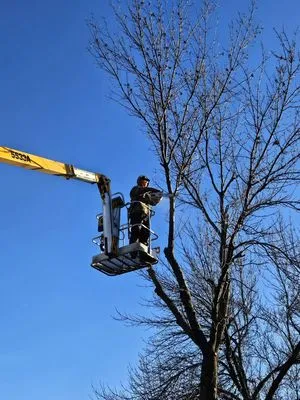
Lawns Are Us (Creative Landscapes) has been enhancing outdoor spaces across southern Minnesota from our Jordan base since 1989. As a family-owned business, we specialize in comprehensive landscape sol...
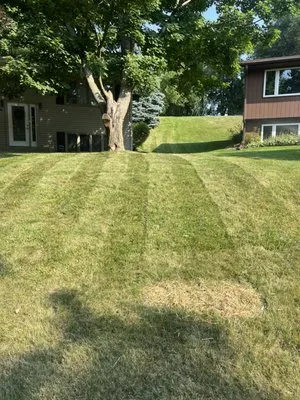
Nolan’s Crafting Outdoor Experiences is a locally owned lawn care business in Jordan, MN, founded by Austin Nolan. Built from the ground up with a focus on hard work and consistency, this business del...
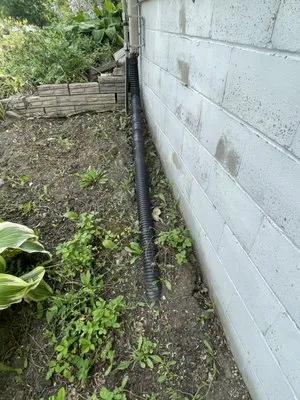
Splash Bros Outdoor Services is your local Jordan expert for a healthier, more resilient yard. We understand that many area homes struggle with landscape drainage issues and lawn damage from tree root...

J&M Landscaping Services is a full-service landscaping company proudly serving the Jordan, MN community. We specialize in transforming outdoor spaces through expert design, construction, and ongoing m...
Friendshuh Lawn and Snow is a trusted lawn care and snow removal service based in Jordan, MN, with over 20 years of experience serving the local community. We specialize in comprehensive lawn maintena...
Founded in 2009, KLEAN Companies has built a reputation for dependable excavating and property care services for Jordan and the surrounding Twin Cities area. We specialize in a range of essential serv...

Jerry's Lawn Service
Jerry's Lawn Service is a trusted, full-service outdoor maintenance company serving Jordan, MN and the surrounding area. We specialize in lawn care, snow removal, and demolition services to keep your ...
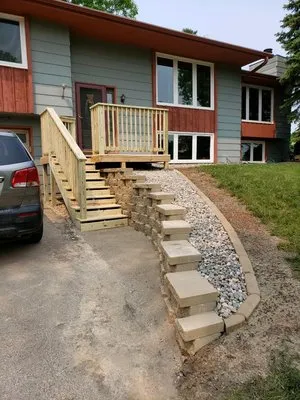
Precision Yard Services is a family-run landscaping company serving Jordan, MN, and surrounding areas for over 20 years. We specialize in comprehensive landscape solutions, from custom design and cons...
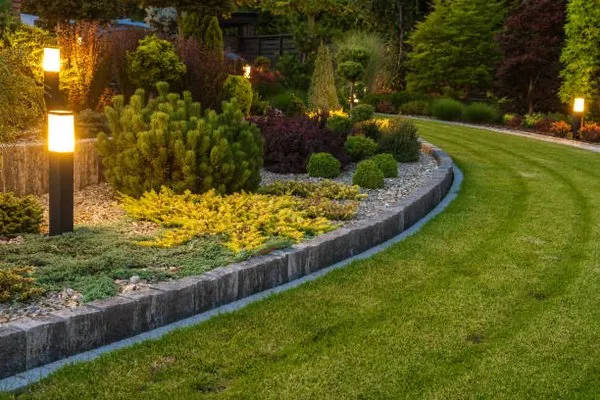
Make It Green is a dedicated lawn care service based in Jordan, MN, specializing in helping local homeowners maintain healthy, vibrant lawns year-round. We understand the unique challenges Jordan resi...
Common Questions
We're tired of weekly mowing. What are some lower-maintenance, eco-friendly alternatives to our grass?
Transitioning sections of high-maintenance turf to a xeriscape with native plants is a forward-looking strategy. Species like Purple Coneflower, Little Bluestem, and Butterfly Milkweed are adapted to Zone 4b, require no fertilization, and minimal watering once established. This reduces mowing frequency, eliminates gas-powered equipment noise, and provides critical habitat, aligning with 2026 biodiversity goals and evolving community noise ordinances.
We want to regrade our backyard for better drainage. Do we need a permit, and what should we look for in a contractor?
Regrading a 0.22-acre lot in Jordan typically requires a permit from the Planning & Zoning Department, as it alters stormwater runoff patterns. More critically, any contractor performing this work must hold the appropriate license from the Minnesota Department of Labor and Industry. This ensures they carry the required insurance and adhere to state building codes, protecting you from liability for improper drainage that could affect neighboring properties.
Our lawn seems thin and compacted. Is this just normal wear, or is there something specific about the soil in our area?
This is a common condition for properties in Downtown Jordan built around the 1999 average. With 27 years of development, the soil structure has matured but remains fundamentally Clarion-Nicollet-Webster Loam. This soil type has a high clay content in the subsoil, leading to compaction and reduced permeability. Core aeration in spring and fall is critical to relieve compaction, and top-dressing with organic compost will improve water infiltration and root health for your Kentucky Bluegrass blend.
We need an emergency cleanup after a major storm. How quickly can a crew respond, and what's the fastest route?
For urgent HOA compliance or post-storm work, our standard peak response window is 20-30 minutes. The dispatch routing from our staging area at Mini-Met Park utilizes MN-169 for direct access to Downtown Jordan neighborhoods. This efficiency is supported by our transition to an electric maintenance fleet, which complies with the city's noise ordinance restricting operations between 10:00 PM and 7:00 AM.
We get seasonal ponding in our yard. What's a long-term solution that also looks good?
Moderate seasonal ponding is a direct result of the high-clay subsoil in our Clarion-Nicollet-Webster Loam. A functional solution involves installing a French drain or dry creek bed to redirect water. For hardscape areas, specifying permeable concrete pavers or an open-graded crushed limestone base increases infiltration, reducing runoff and helping meet the Jordan Planning & Zoning Department's stormwater management standards for new installations.
How do we keep our lawn green during summer without violating the city's water conservation rules?
Jordan's Stage 1 voluntary conservation measures align with using smart Wi-Fi controllers paired with in-ground soil moisture sensors. This system schedules irrigation based on actual evapotranspiration (ET) and soil conditions, preventing overwatering. It preserves the Fine Fescue in your turf blend, which is more drought-tolerant, while keeping the Kentucky Bluegrass healthy within municipal water limits by applying water only when and where it's needed.
We're adding a patio. Are concrete pavers a better long-term choice than wood here?
For longevity and minimal maintenance in Jordan's climate, concrete pavers significantly outperform wood. They are frost-resistant, do not rot, and offer superior durability. In the context of the area's low Fire Wise rating, non-combustible materials like pavers or crushed limestone also contribute to defensible space in the urban-suburban interface. Their permeability, when installed correctly, further mitigates local drainage issues.
We've spotted what looks like creeping bellflower. How should we handle it without harming the lawn?
Creeping bellflower is a pervasive invasive in Minnesota. Manual removal requires digging out the entire tuberous root system. For chemical control, a selective herbicide applied in late fall when the plant is translocating nutrients to its roots is most effective. This timing and method avoid the prohibited use of phosphorus fertilizers on established turf, as per Minnesota law, and prevent damage to desirable grasses and nearby native plantings.
