Top Landscaping Services in Helena, MN, 55352 | Compare & Call
There are 188 landscaping companies server in Helena MN
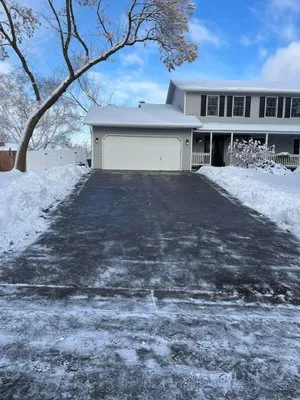
Minnesnowta lawn care
Serving Burnsville, Minnesnowta Lawn Care is a locally owned and operated company specializing in year-round outdoor property care. Founded in 2023, our licensed and insured team provides comprehensiv...
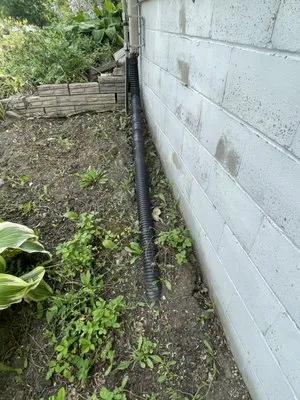
Splash Bros Outdoor Services is your local Jordan expert for a healthier, more resilient yard. We understand that many area homes struggle with landscape drainage issues and lawn damage from tree root...
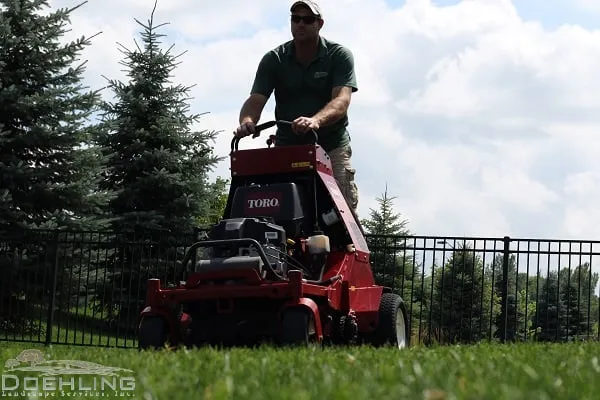
Doehling Landscape Services is a Shakopee-based landscaping company founded in 2003 by Matt Doehling. Matt transitioned from a career as an airline pilot to build a business that would allow him more ...
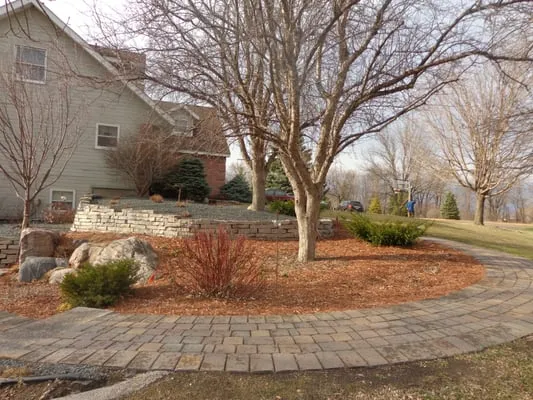
Tim's Lawn & Landscaping is a Shakopee family business with deep local roots, founded in 1978 by Tim Guimond right here in town. What started as a high school lawn service has grown into a trusted, ye...
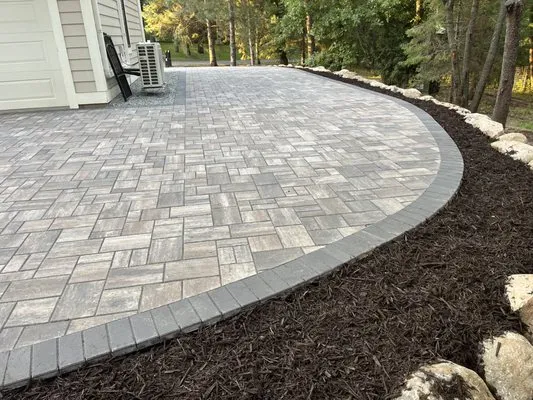
Hartigan Outdoors is your trusted, year-round partner for lawn care and snow removal in Rosemount, MN. We understand the common local landscaping challenges many homeowners face, such as dying shrubs ...
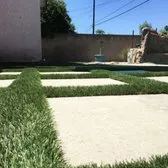
Purchase Green Artificial Grass
Purchase Green Artificial Grass in Chanhassen is part of a trusted national network that began in 2009. Today, as part of the leading integrated artificial grass manufacturer in the United States, we ...

Northern Landscapes & Exteriors is a Minnetonka-based landscaping company specializing in durable outdoor construction and installation. We help local homeowners address common landscaping issues like...
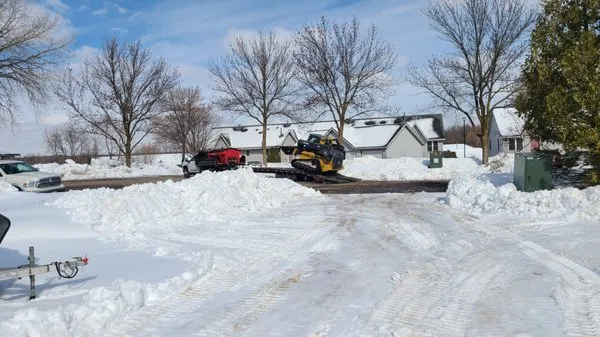
Waconia Landscaping
Waconia Landscaping Co was founded in 2014 by Justin Goche, a Waconia resident and SDSU graduate with a degree in Landscape Architecture. Driven by a passion for design and over 15 years of hands-on e...
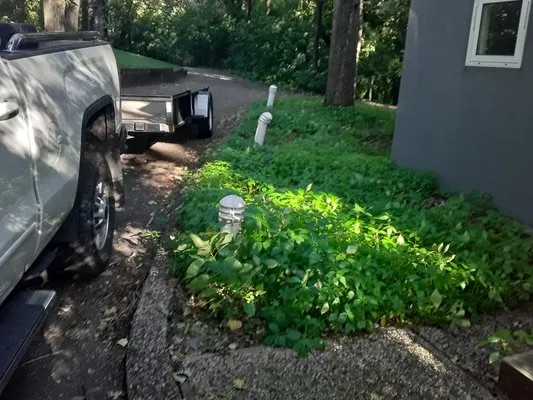
Toledo Yardscape is a locally owned and operated landscaping business based in Shakopee, MN, founded by Roman Toledo. With many years of experience gained from working with established companies, Roma...
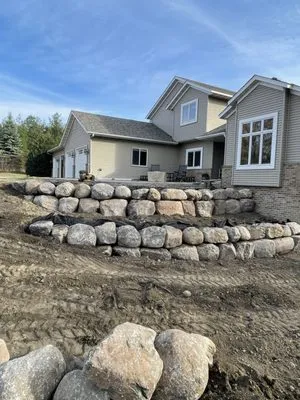
Dvorak Outdoors is a New Prague-based landscaping company specializing in comprehensive outdoor solutions for residential properties. With expertise in landscape design, construction, and maintenance,...
Estimated Landscaping Service Costs in Helena, MN
Questions and Answers
How can we maintain a healthy lawn with Stage 1 water conservation in effect?
Stage 1 voluntary conservation aligns with using smart Wi-Fi soil-moisture sensor controllers. These systems apply water only when the root zone of your Kentucky Bluegrass and Fine Fescue requires it, bypassing pre-set schedules. This ET-based irrigation can reduce potable water use by 20-40% while preserving turf health. Properly calibrated, it keeps you within municipal guidelines without sacrificing canopy density.
Our lawn seems thin and compacted. What's the underlying issue with the soil here in Helena Township?
Homes built around 1989 sit on nearly 40-year-old landscapes where the original glacial till loam has become compacted from routine maintenance. This soil has good structure but loses permeability over decades. Core aeration every other fall is critical to relieve compaction, improve oxygen flow to roots, and facilitate the incorporation of organic compost. This process directly addresses the low percolation rates common in older neighborhood lots.
We're adding a patio. Are concrete pavers a better long-term choice than wood?
For longevity and reduced maintenance, concrete pavers and crushed granite outperform wood in our climate. They offer superior frost-heave resistance and do not decay. From a fire mitigation perspective, these non-combustible materials contribute to the defensible space required in Moderate Wildland-Urban Interface zones. A properly installed paver patio, with a permeable base, also aids in managing the site's drainage challenges without creating a flammable border near the home.
We want to reduce mowing and chemical use. What are our options for a more natural landscape?
Transitioning turf areas to a native plant community is a forward-thinking strategy. Species like Big Bluestem, Butterfly Milkweed, Wild Bergamot, and Prairie Dropseed are adapted to Zone 4b and require no fertilization, minimal watering once established, and no weekly mowing. This shift also prepares your property for evolving noise ordinances that restrict gas-powered blowers, as native beds generate less debris and require different maintenance tools.
We're planning significant regrading and a new retaining wall. What permits and contractor credentials are required?
Altering the grade on a 2.5-acre lot in Scott County typically requires a grading and erosion control permit from the Planning & Zoning Department. Any retaining wall over four feet in height demands a separate construction permit and must be designed to engineered standards. The contractor must hold appropriate licensing through the Minnesota Department of Labor and Industry, which ensures they carry the required insurance and bonding for work that significantly impacts land stability and water flow.
We need an emergency storm debris cleanup to meet HOA compliance. What's your typical dispatch and arrival time?
For urgent compliance needs, our electric fleet can be dispatched from our staging area near the Helena Township Hall. Using MN-282, we route directly into the residential township, with a standard travel and setup window of 45-60 minutes. This allows for a same-day assessment and initial debris management to mitigate violation risks, with all operations conducted within daytime noise ordinance hours.
We've spotted what looks like creeping Charlie and buckthorn. How should we handle these invasives?
Creeping Charlie and common buckthorn are prevalent invasive species alerts in Minnesota. Treatment requires a targeted, seasonal approach. For creeping Charlie, fall applications of specific broadleaf herbicides are most effective. Buckthorn removal involves mechanical cutting followed by careful herbicide application to stumps. All treatments must comply with the Minnesota Phosphorus Fertilizer Law, ensuring no phosphorus is used, and should be timed to avoid local blackout dates for certain applications.
Our yard stays soggy well into spring. What's the best long-term solution for drainage here?
Seasonal high water tables are a known hazard in glacial till loam soils due to slow permeability. The solution integrates subsurface drainage with surface grading. Replacing impermeable surfaces with permeable concrete pavers or crushed granite patios reduces runoff volume. Any regrading or drainage installation for a property of this scale requires review by the Scott County Planning & Zoning Department to ensure it meets current runoff management standards.
