Top Landscaping Services in Haverhill, MN, 55904 | Compare & Call
There are 131 landscaping companies server in Haverhill MN
Kalos Lawn Care is a trusted Rochester, MN lawn service dedicated to the year-round health and appearance of local properties. We provide essential seasonal maintenance, from lawn mowing, trimming, an...
Legendary Lawn & Landscaping is a trusted Rochester, MN provider specializing in lawn care and snow removal services. We understand that local homeowners often face landscaping challenges like storm d...

Elite Outdoor Solutions is your trusted, year-round partner for landscaping and snow removal in Rochester, MN. We understand the specific challenges local homeowners face, particularly with yard drain...
American Turf Technicians
American Turf Technicians is a Rochester-based lawn and tree care company built on decades of hands-on expertise. Founded by three dedicated specialists, our team combines over thirty years of practic...
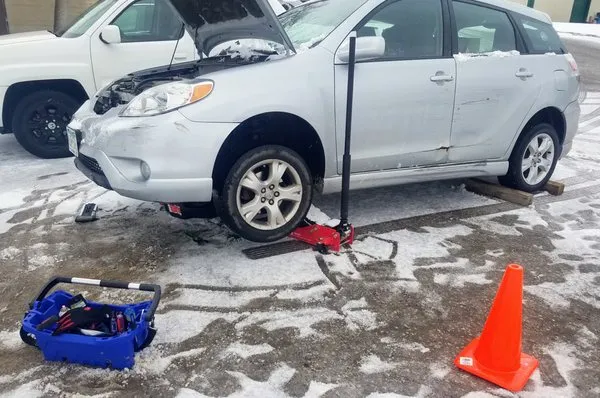
Non-Profit Wrench is a community-focused organization based in Kasson, MN, serving the greater Rochester area. Our mission is to provide essential services like snow removal, landscaping, and vehicle ...
Stadsvold Lawn & Landscape is a trusted, locally-owned landscaping company serving Rochester, MN. We understand the unique challenges homeowners face here, from unsightly overgrown shrubs that obscure...
Proscape is a trusted Rochester, MN-based company specializing in landscaping, fireplace services, and masonry/concrete work. We help homeowners address common local lawn issues like dead or bare patc...

Master Lawn is a trusted lawn care provider serving Rochester, MN, specializing in comprehensive lawn services to keep your outdoor space healthy and beautiful. We understand the unique challenges Roc...

Steve Schroeder Services is a locally owned and operated company dedicated to providing reliable property maintenance and improvement for homes and businesses in Claremont, Rochester, and surrounding ...
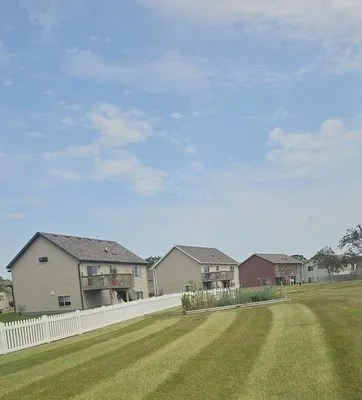
Lehman Outdoors is a Rochester, MN-based company providing comprehensive outdoor solutions for local homeowners. Specializing in lawn care, tree services, and snow removal, they address common regiona...
Estimated Landscaping Service Costs in Haverhill, MN
Question Answers
Our yard has persistent soggy spots. What's the best long-term solution?
Seasonal high water tables and poor infiltration in depressions are common with Haverhill's silty clay loam. The solution integrates subsurface drainage like French drains with surface grading to direct water away from foundations. Using permeable materials like crushed limestone for paths or patios increases ground absorption. All significant regrading or drainage work should be designed to meet Olmsted County Planning Department stormwater runoff standards.
Is there a lower-maintenance, eco-friendly alternative to our traditional lawn?
Yes. Transitioning areas to a native prairie planting with species like Big Bluestem, Purple Prairie Clover, and Wild Bergamot drastically reduces water, mowing, and chemical inputs. These deep-rooted plants build soil health and support local pollinators. This approach also future-proofs your property against evolving noise ordinances that may restrict gas-powered equipment, as native beds require minimal maintenance once established.
What permits and qualifications are needed for regrading our half-acre lot?
Significant earthmoving or grading on a 0.50-acre property often requires a permit from the Olmsted County Planning Department to ensure proper erosion control and drainage. Furthermore, contractors performing this work must be licensed through the Minnesota Department of Labor and Industry. This licensing verifies they carry adequate insurance and adhere to state building codes, protecting you from liability and substandard work that could cause long-term property damage.
How do we keep our Kentucky Bluegrass lawn healthy without wasting water?
Smart Wi-Fi controllers with soil moisture sensors are the standard for Haverhill's Stage 0 water status. These systems use local evapotranspiration (ET) data and real-time soil readings to apply water only when and where your turfgrass blend needs it. This prevents overwatering, which is especially detrimental in our poorly infiltrating soils. Properly programmed, this technology maintains turf health while conserving municipal water and preparing for potential future restrictions.
We have storm damage and need immediate HOA compliance. How fast can a crew arrive?
For emergency cleanup, a crew dispatched from near the Haverhill Town Hall can typically reach your property within 20-30 minutes via US Highway 63, even during peak response times. We prioritize safety and traffic conditions to ensure a prompt arrival. The crew will assess the scope, including downed limbs or debris, and execute a plan to meet HOA landscape standards efficiently, working within local noise ordinance hours.
Are concrete pavers a better choice than wood for a new patio?
For longevity and low maintenance in Zone 4b, concrete pavers are superior. They resist frost heave better than wood and do not rot, splinter, or require sealing. For fire safety, they provide the non-combustible 5-foot perimeter required in Haverhill's Moderate Fire Wise rating zone. Crushed limestone is another permeable option for paths, but pavers offer a more stable, defined surface for primary living spaces.
Why does our soil seem so hard to work with, and what should we do about it?
The silty clay loam Mollisols common in Haverhill Township Residential have likely compacted over 35 years since the average 1991 build date. This soil type has high water-holding capacity but poor permeability, restricting root growth and oxygen exchange. Core aeration in early fall is critical to relieve compaction and improve infiltration. Topdressing with composted organic matter will further enhance soil structure and microbial activity, moving it toward a healthier, more resilient state.
What invasive species should we watch for, and how do we control them safely?
Common threats include Buckthorn and Creeping Bellflower. Manual removal for young plants and targeted, systemic herbicide application for established ones are effective. All control methods must comply with the Minnesota Phosphorus Fertilizer Law, which prohibits phosphorus application on established lawns. Treatment timing is critical—early spring or fall—to maximize efficacy and minimize impact on desirable plants and soil biology.
