Top Landscaping Services in Hastings, MN, 55033 | Compare & Call

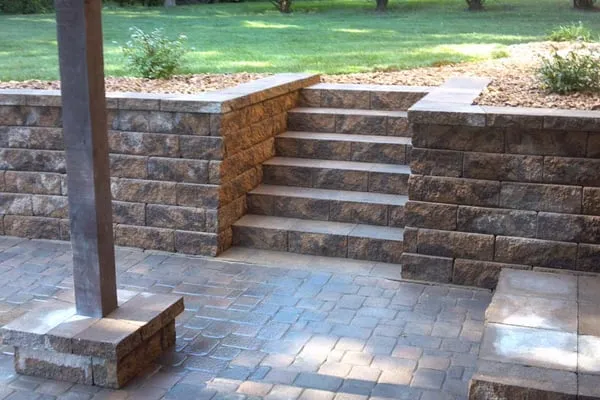
Groundworks Landscaping & Hardscaping is a family-owned and operated contractor based in Hastings, Minnesota, established in 1995. Led by Chris, who has been with the company from the start, the team ...
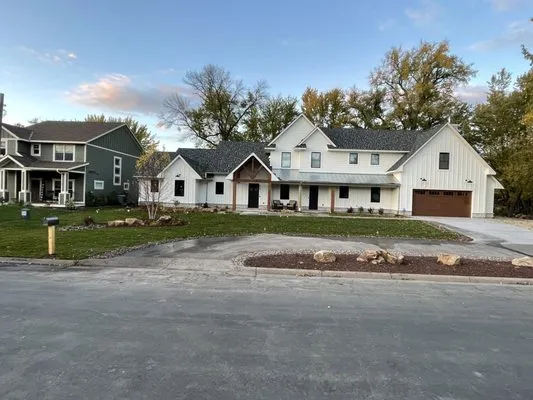
ALL Outdoors LLC is a family-owned landscaping, irrigation, and excavation business serving Hastings, MN, and surrounding areas. We specialize in comprehensive irrigation services including system des...
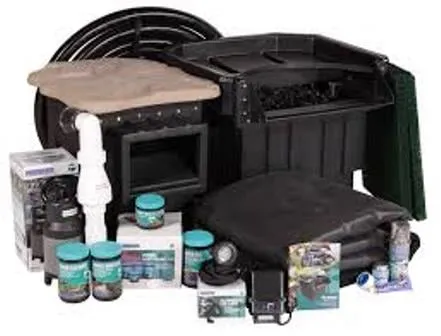
Rooted in a family legacy that began with Specialized Turf in 1960, The Landscape Store in Hastings, MN, brings generations of horticultural expertise directly to our community. We transitioned from a...
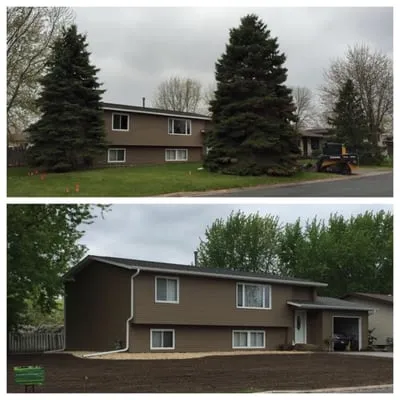
McGraw Construction Group is a trusted local contractor in Hastings, MN, specializing in expert excavation and trenching services for residential and commercial properties. We understand that common l...
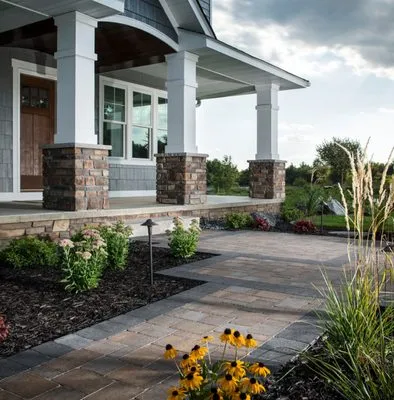
Nature's Quest Landscape & Design
Nature's Quest Landscape & Design is a Hastings-based landscaping company with deep roots in the local community. Founded in 2003, we've been serving the area for over 10 years, and our founder brings...
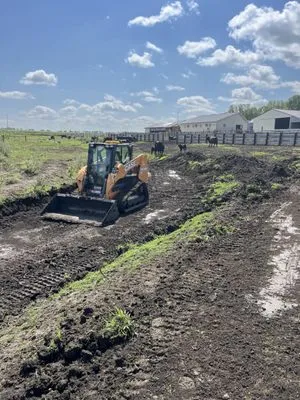
Engel Companies is a trusted excavation and landscaping contractor serving Hastings, MN, and the surrounding areas. With expertise in soil backfilling, earthmoving, excavation, and comprehensive lands...
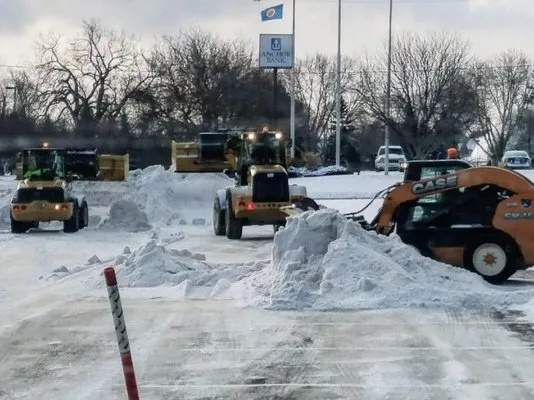
Precision Landscaping & Construction
Founded in 1981 by Hastings local John P. Fox, Precision Landscaping & Construction began with a mission to beautify the community, one yard at a time. Now a full-service company, we continue that leg...

Define & Shine Outdoor Solutions is a locally-owned and operated business in Hastings, MN, born from a genuine passion for helping neighbors achieve their property goals. Owner-driven, our focus is on...
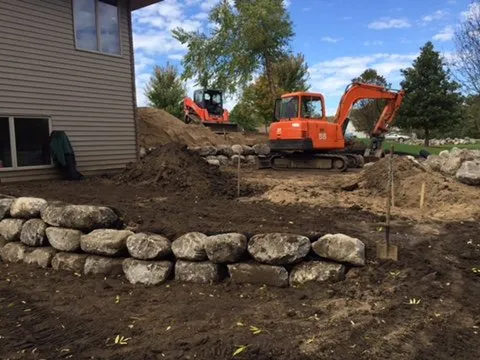
Furlong Excavating and Design
Furlong Excavating and Design brings over three decades of specialized golf course landscaping expertise to residential and commercial properties in Hastings, MN. Founded by the owner of Emerald Green...

Hoffman & McNamara is a vertically integrated commercial landscaping and wholesale nursery business based in Hastings, MN. Established in 1977, the company has built its reputation on meticulous proje...
Question Answers
I see a fast-spreading vine. How do I handle invasive species without harming my lawn?
Early identification and targeted action are critical for invaders like buckthorn or creeping Charlie. Manual removal is effective for small infestations. For larger areas, a selective, systemic herbicide applied in late fall can be necessary, but it must be phosphorus-free to comply with Minnesota state law. Always coordinate treatment outside of blackout dates and consider soil testing first, as a healthy, thick lawn is your best defense against future colonization.
What permits and credentials should I verify before hiring someone to regrade my 0.22-acre lot?
Any significant grading or earthwork requires verified professional licensing. The contractor must hold appropriate licensing from the Minnesota Department of Labor and Industry. The Hastings Community Development Department issues permits for grading that alters drainage patterns, which is likely on a lot of this size. Hiring an unlicensed operator risks improper compaction, negative drainage impacts on neighboring properties, and potential voiding of your homeowner's insurance for non-permitted work.
My yard has soggy spots every spring. What's a lasting solution for this type of soil?
Seasonal high water tables and moderate runoff are common in Hastings' dense glacial till. The solution combines subsurface and surface strategies. Installing a French drain system can intercept groundwater, while regrading to create positive slope is crucial. For any new patios or walkways, specify permeable concrete pavers. These systems increase infiltration and often help projects meet the Community Development Department's stormwater management standards.
If a storm downs a tree limb, how quickly can a certified crew arrive for an emergency cleanup?
For an urgent situation like storm debris blocking a driveway, our target response from a dispatch point near Vermillion Falls Park is 20-30 minutes during peak hours. The route via US-61 provides efficient access to most Historic Downtown properties. Our crews operate electric chippers and loaders, which comply with the city's noise ordinance and allow for immediate mobilization within the 7:00 AM to 9:00 PM window without disturbance.
How can I keep my Kentucky Bluegrass lawn healthy during Hastings' Stage 1 water conservation?
Smart irrigation technology is the key to compliance and turf health. A soil-moisture sensor (SMS) smart controller irrigates based on actual need, not a fixed schedule, preventing overwatering. It monitors the root zone of your grass blend and only activates when moisture drops below an optimal threshold. This ET-based approach can reduce water use by 20-30%, keeping your lawn resilient while adhering to voluntary conservation goals.
I want to reduce mowing and gas equipment noise. What are my options?
Transitioning to a climate-adaptive landscape is the forward-looking solution. Replace high-maintenance turf areas with a matrix of deep-rooted natives like Purple Coneflower, Little Bluestem, and Butterfly Milkweed. These plants require no mowing, minimal water once established, and support local pollinators. This shift preemptively aligns with evolving noise ordinances and reduces your carbon footprint, moving you toward a quieter, electric-only maintenance regimen.
My lawn in Historic Downtown feels compacted and thin. Is this typical for homes built around the 1980s?
Yes, this is a direct consequence of soil maturity. Your property, built around 1986, has soil that is now 40 years old. The original loamy/silty glacial till (pH 6.8-7.2) has been compacted by decades of foot traffic and standard maintenance, reducing microbial life and permeability. This compaction limits root growth and water infiltration. To restore health, core aeration in spring or fall, followed by top-dressing with compost, is essential to rebuild organic matter.
Are concrete pavers and limestone walls a better long-term choice than wood for a patio?
In our Zone 4b climate and for fire-wise considerations, inorganic materials offer superior longevity. Concrete pavers and limestone retaining walls have a lifespan measured in decades, resisting frost heave and decay that plagues wood. From a defensible space perspective in this Moderate Urban-Wildland Interface zone, these non-combustible materials create a critical ember-resistant zone within the first 5-10 feet of your home, enhancing safety and durability.
