Top Landscaping Services in Green Lake, MN, 56201 | Compare & Call

There are 66 landscaping companies server in Green Lake MN
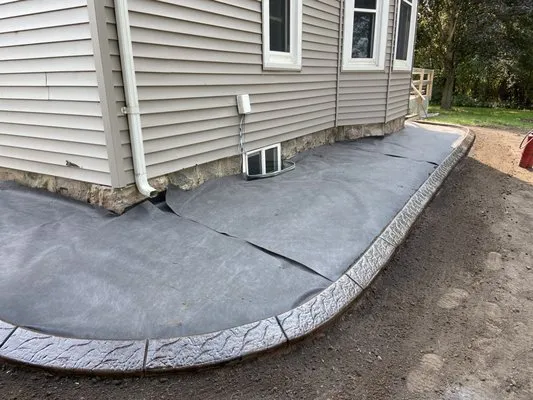
All Time Curbing & Landscape is a Minneapolis-based family business with deep roots in construction and a passion for concrete landscape edging. Owner Joe discovered poured concrete edging at the Minn...
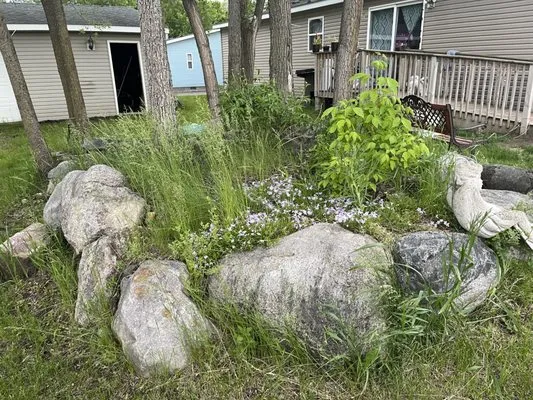
Legendary Tree Care And Property Maintenance
For nearly three decades, Legendary Tree Care And Property Maintenance has been a trusted name in Litchfield, MN. Owner-founded 28 years ago, the business grew from small construction and remodeling p...
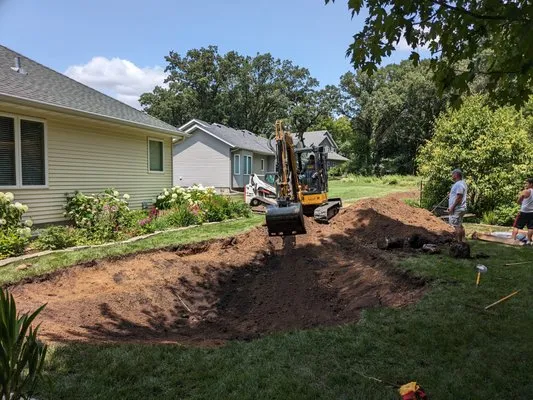
Platinum Lawn and Landscaping
Platinum Lawn and Landscaping is a full-service landscaping company serving residential and commercial properties throughout the greater St. Cloud, MN area. We specialize in transforming outdoor space...
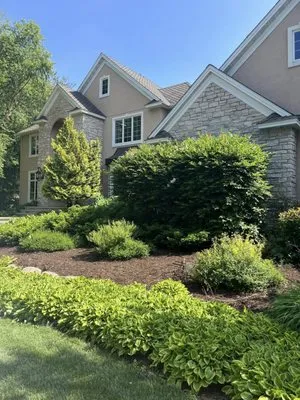
Northern Lawn Service
Northern Lawn Service is your local Sartell partner for dependable outdoor care, from seasonal maintenance to complex property projects. Founded in 2020 by owner Logan Nygaard, we're a community-focus...
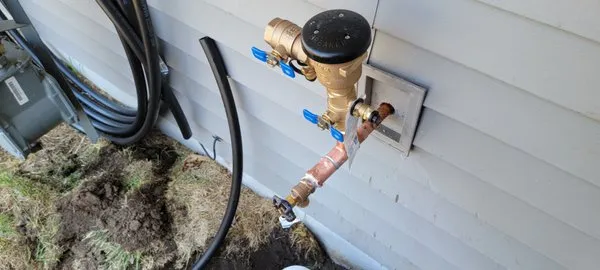
Greenfields Irrigation in Becker, MN, is a trusted local irrigation and lawn service provider with over a decade of experience. Specializing in lawn sprinkler installation, design, and repair, we offe...

Supreme Lawn and Landscaping has been a trusted Waite Park, MN landscape company since 1990, building and maintaining beautiful outdoor spaces for homes and businesses. As a licensed and insured contr...
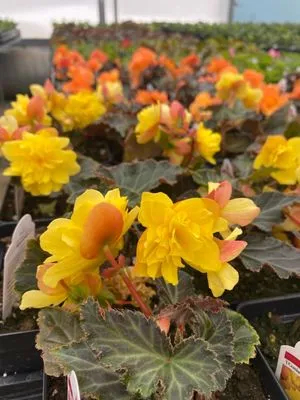
Thomsens Garden Center in St. Joseph, MN, is a locally owned and operated garden center with deep roots in the community. Founded over 30 years ago by Bob and Bonnie Thomsen, Midwest natives and St. J...

Affordable Lawn Services in Sauk Rapids is a locally owned and operated company dedicated to keeping residential properties looking their best throughout the year. We offer comprehensive lawn care, in...
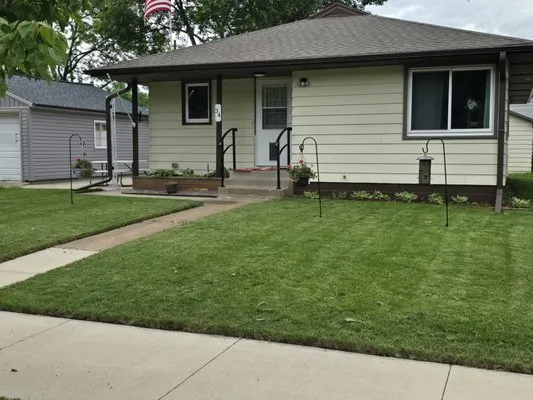
Based in St. Cloud, MN, Mike's Edging and Misc. Lawn Services offers reliable lawn care with a focus on making every yard look its best. Mike operates on a flexible schedule, taking orders during the ...

H&S Tree Trimming is a locally owned and operated tree service company proudly serving Rice, MN, and the surrounding St. Cloud area since 2019. We specialize in comprehensive tree and shrub care, incl...
Estimated Landscaping Service Costs in Green Lake, MN
FAQs
Can you respond quickly for an emergency tree cleanup after a storm?
Yes. Our emergency storm response protocol for the Green Lake Shores neighborhood involves dispatching electric, low-noise equipment crews from the Green Lake County Park staging area. The primary route is via MN-23, which typically allows arrival within the 25-35 minute window during peak conditions. This efficient routing, combined with compliance with the local 8 AM to 8 PM noise ordinance using electric machinery, ensures timely and compliant service for urgent HOA or safety-related cleanup needs.
How has our soil changed since our neighborhood was built?
The soils in Green Lake Shores have matured for nearly 40 years since the average 1987 construction. Our Mollisols loam, while naturally fertile, is often compacted from initial grading and decades of routine traffic. This compaction reduces permeability, which is critical for managing our high seasonal water table. Annual core aeration and top-dressing with composted organic matter are essential to restore soil structure, improve oxygen for roots, and enhance water infiltration for long-term landscape health.
Is there a lower-maintenance alternative to our traditional lawn?
Absolutely. Transitioning areas to a native plant community using species like Big Bluestem, Prairie Dropseed, Wild Bergamot, and Butterfly Milkweed drastically reduces water, mowing, and chemical inputs. These deep-rooted perennials build soil health, support pollinators, and are inherently adapted to our Zone 4a climate. This approach future-proofs your landscape against potential water restrictions and aligns with the shift toward quieter, electric maintenance fleets, as these plantings require minimal seasonal care compared to high-input turf.
What permits and licenses are needed for a major backyard renovation?
Significant grading, drainage, or structural work on a 0.45-acre lot in Kandiyohi County typically requires a permit from the County Planning and Zoning office. This ensures plans comply with setback and stormwater regulations. Furthermore, any contractor performing this work must be licensed through the Minnesota Department of Labor and Industry. This licensing verifies they carry the requisite insurance and bonding, protecting your property investment and ensuring the work meets state-mandated standards for safety and quality.
Our yard stays soggy long after rain. What's the solution?
Persistent wetness is a common issue in Green Lake due to the high water table and the naturally dense structure of Mollisols loam, which slows infiltration. The engineered solution involves creating positive drainage away from foundations using subsurface French drains or dry creek beds. For any new patios or walkways, we specify local granite set in permeable concrete bases. This system meets Kandiyohi County Planning and Zoning standards for stormwater management by allowing water to percolate into the ground rather than contributing to runoff.
What should we do about invasive weeds like creeping bellflower?
Invasive species such as creeping bellflower or garlic mustard require persistent, targeted management. Manual removal is most effective, ensuring the entire root system is extracted. For severe infestations, a precise, spot-applied herbicide may be necessary. All treatments must strictly adhere to the Minnesota Phosphorus Lawn Fertilizer Law, which prohibits phosphorus-containing products unless establishing new turf. We time any interventions outside of peak growth periods to maximize effectiveness and minimize environmental impact.
How do we keep our lawn healthy without wasting water?
Despite being in Stage 0 for restrictions, water conservation is a priority for our Kentucky Bluegrass and Fine Fescue blend. We install smart Wi-Fi soil-moisture sensors that trigger irrigation only when the root zone moisture drops below the plant's evapotranspiration (ET) demand. This system prevents overwatering, which is especially crucial given the poor infiltration of our local soils. It delivers water directly based on need, preserving municipal resources while maintaining turf vitality through dry periods.
Why choose local granite over wood for a new patio?
Local granite offers superior longevity and minimal maintenance compared to wood, which requires regular sealing and is susceptible to decay. Granite's durability provides a permanent solution that withstands our freeze-thaw cycles. From a safety and ecological perspective, its non-combustible nature contributes to the Low Firewise rating for our area by creating defensible space. When installed with permeable techniques, it also actively manages site water, aligning with best practices for sustainable landscape infrastructure.
