Top Landscaping Services in Granite Falls, MN, 56241 | Compare & Call
There are 147 landscaping companies server in Granite Falls MN
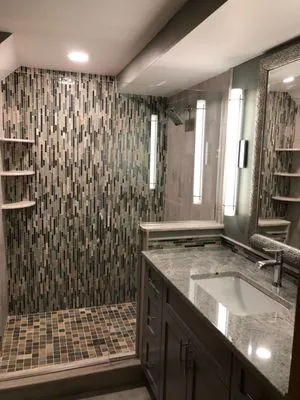
4 Seasons Landscape & Lawncare is your trusted local partner in Hutchinson, MN, dedicated to enhancing your property's beauty and value. With years of experience serving central and southwest Minnesot...
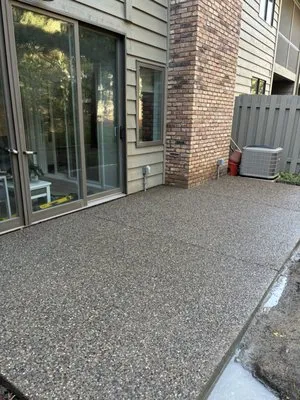
Forstie Construction is a trusted masonry, concrete, and landscaping contractor serving Dassel, MN, and surrounding areas. With expertise in both construction and maintenance, we specialize in durable...
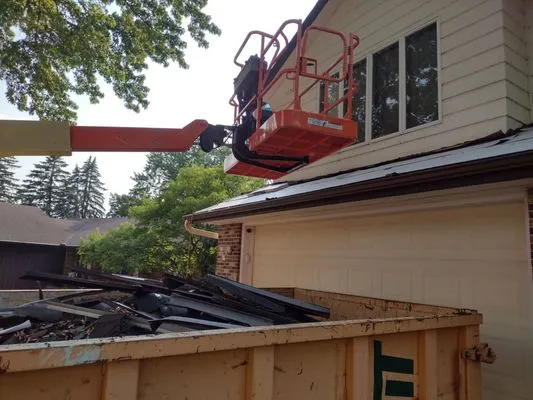
A+ Construction & Landscaping
A+ Construction & Landscaping is a trusted local contractor serving Albert Lea, Glenville, and surrounding communities in Minnesota. We specialize in residential roofing, commercial construction, home...
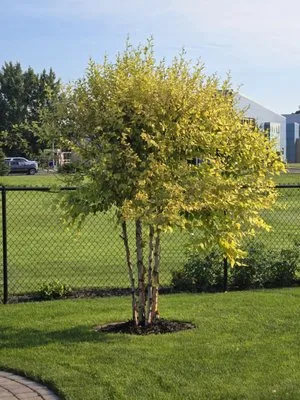
Stacy's Nursery
Stacy's Nursery has been a trusted horticultural resource in Willmar for over 30 years, founded by Stacy following his graduation from the University of Minnesota with a degree in Horticulture. The fa...
Nick's Lawn Maintenance is a trusted local landscaping provider in Willmar, MN, dedicated to keeping your property healthy and beautiful. We specialize in addressing common local challenges, such as d...

I & M Landscaping Nursery
I & M Landscaping Nursery, Inc. is a family-owned landscaping and nursery business serving the Willmar, Minnesota community since 1969. Originally founded as Ivan's Lawn Care, the company has grown in...
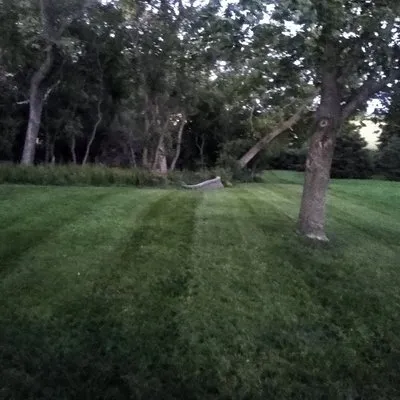
Bergs Lawn Care is a trusted local lawn service provider in Montevideo, MN, dedicated to helping homeowners maintain healthy, beautiful yards. We specialize in comprehensive lawn care solutions that d...
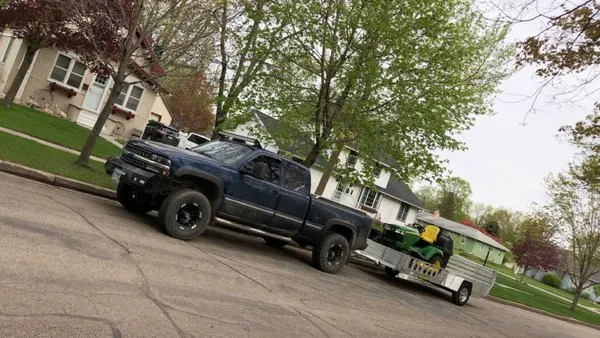
Rosen Landscape & Lawncare is a locally owned and operated business in Benson, MN, founded on a passion for outdoor work and customer satisfaction. We started this venture to grow while making our cus...
Turbo Turf Irrigation
Turbo Turf Irrigation is your Willmar, MN expert for durable, low-maintenance landscaping solutions. We specialize in artificial turf and professional irrigation systems, directly addressing common lo...
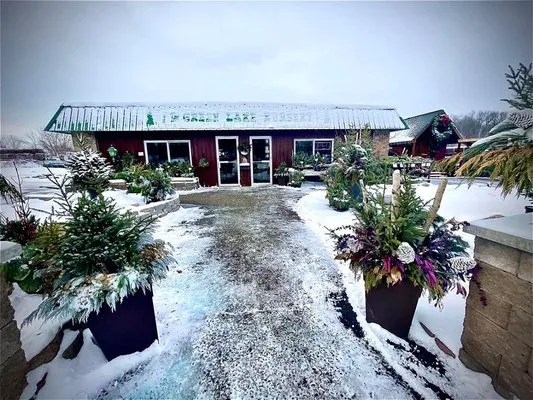
Green Lake Nursery in Spicer, MN is a locally owned business that has been serving West Central Minnesota since 1976. We specialize in providing an extensive selection of northern-grown plants, includ...
Estimated Landscaping Service Costs in Granite Falls, MN
Common Questions
What solutions prevent spring snowmelt flooding in my yard?
High spring snowmelt saturation in Mollisols requires French drain systems with 4-inch perforated pipe at 18-inch depth, sloped 1% toward daylight outlets. Permeable crushed granite or concrete pavers meet Granite Falls Planning & Zoning Department runoff standards by allowing 8-12 inches per hour infiltration. These systems redirect surface water while maintaining soil structure integrity during peak melt periods common in March-April.
Are crushed granite paths better than wood for fire safety?
Crushed granite provides non-combustible defensible space meeting Moderate Fire Wise Zone 2 recommendations, unlike wood mulch that creates fuel continuity. This material maintains 5-foot clearance around structures while allowing 10-inch per hour permeability for drainage. Concrete pavers offer similar fire resistance with 30-year durability, significantly outperforming wood's 5-7 year lifespan in Granite Falls' freeze-thaw cycles.
Can I maintain Kentucky Bluegrass while following water conservation guidelines?
Smart Wi-Fi soil moisture sensor controllers optimize irrigation by measuring real-time ET rates and soil conditions. These systems maintain Kentucky Bluegrass or Fine Fescue mixes at 85% visual quality while reducing water use 30-40% below conventional schedules. During normal water restriction periods in Granite Falls, this technology prevents overwatering while preserving turf health through precise moisture management at root zone depth.
Why does my Granite Falls lawn have drainage issues and compacted soil?
Granite Falls homes in the Riverside Residential District average 53 years of age since 1973 construction, creating mature soil profiles. Mollisols/loam soils in this area naturally develop compaction layers over decades, reducing permeability to 0.5 inches per hour. Core aeration every 2-3 years with organic amendments like composted leaf mold addresses this by improving soil structure and increasing water infiltration capacity to recommended 1.5 inches per hour.
What permits and licenses are needed for grading my property?
Grading work on 0.22-acre lots requires Minnesota Department of Labor and Industry licensing for earth moving exceeding 50 cubic yards. The Granite Falls Planning & Zoning Department issues permits for drainage alterations affecting more than 10% of lot area. Professional licensing ensures compliance with state erosion control standards and municipal runoff management protocols specific to Riverside Residential District topography.
How do I control invasive species without violating fertilizer laws?
Spot-treat invasive species like creeping Charlie with selective herbicides during active growth phases, avoiding Minnesota Phosphorus Fertilizer Law blackout dates (April 1-June 1). Mechanical removal followed by pre-emergent corn gluten application prevents recurrence while maintaining soil pH 6.8-7.2 balance. This integrated approach eliminates invasives without compromising established lawn health or violating local ordinance restrictions.
How quickly can you respond to storm damage for HOA compliance?
Emergency cleanup crews dispatch from Memorial Park via US-212 with 15-20 minute peak response times to Riverside Residential District. Our electric maintenance fleet operates within Granite Falls noise ordinance hours (7:00 AM-10:00 PM) using battery-powered equipment for immediate debris removal. This rapid response prevents HOA violations while maintaining neighborhood aesthetics during severe weather events common in USDA Zone 4a.
Should I replace traditional turf with native plants?
Transitioning to Big Bluestem, Purple Prairie Clover, and Butterfly Milkweed reduces maintenance frequency 70% while supporting 2026 biodiversity standards. Native plantings require no gas-powered equipment, aligning with evolving noise ordinance restrictions on combustion engines. These deep-rooted species improve soil health through mycorrhizal networks while providing habitat for pollinators adapted to USDA Zone 4a conditions.
