Top Landscaping Services in Grand Marais, MN, 55604 | Compare & Call


Taproot Landscaping
Taproot Landscaping is a dedicated local landscape design firm serving Grand Marais, MN. We specialize in creating beautiful, resilient outdoor spaces that thrive in our unique North Shore climate. We...
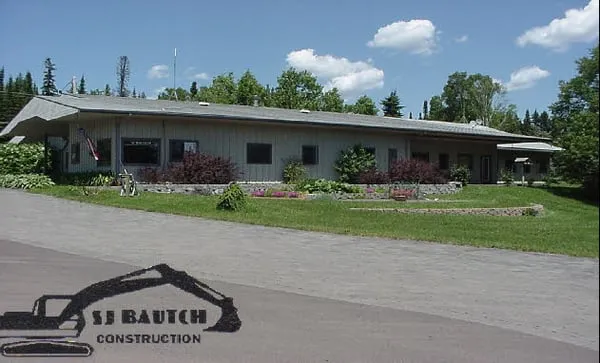
SJ Bautch Construction is a trusted Grand Marais contractor specializing in landscaping and masonry/concrete solutions. We understand the unique challenges of North Shore properties, particularly the ...
Frequently Asked Questions
What native plant alternatives reduce maintenance while preparing for potential gas-powered equipment restrictions?
Replacing high-maintenance turf areas with Canada Anemone, Wild Columbine, and Blue Flag Iris creates resilient landscapes that thrive in Grand Marais's acidic sandy loam. These native species require minimal irrigation once established and eliminate weekly mowing demands, reducing reliance on gas-powered equipment ahead of potential noise ordinance revisions. Serviceberry and White Spruce provide structural elements while supporting local pollinators and bird populations. This transition aligns with 2026 biodiversity standards while creating visually interesting textures that change seasonally.
Why choose local stone over wood for patios and retaining walls in Grand Marais?
Local basalt and granite fieldstone offer superior longevity compared to wood in Grand Marais's freeze-thaw climate, with minimal maintenance requirements over decades. These materials naturally complement the North Shore landscape while providing non-combustible surfaces that support Moderate Fire Wise Zone 2 compliance. Properly installed stone hardscapes create defensible space without contributing to fire ladder effects, an important consideration in WUI zones. The thermal mass of stone also moderates microclimate temperatures, benefiting adjacent plantings through reduced frost exposure.
How can I prevent frost heave and spring thaw runoff from damaging my Grand Marais property?
Acidic sandy loam soils in Grand Marais are particularly susceptible to frost heave due to their particle composition and water retention characteristics. Installing permeable hardscapes using local basalt and granite fieldstone creates natural drainage channels that meet Cook County Planning & Zoning runoff standards. These materials allow gradual water infiltration during spring thaw while providing structural stability against freeze-thaw cycles. Strategic placement along property contours directs runoff away from foundations, with dry creek beds serving both functional and aesthetic purposes in this landscape.
How quickly can you respond to emergency storm damage cleanup for HOA compliance in Grand Marais?
Emergency cleanup crews dispatch from Grand Marais Harbor Park via Highway 61, reaching most Downtown Grand Marais properties within 15-20 minutes during peak response times. This routing avoids seasonal tourist congestion while providing access to specialized equipment for fallen branches and debris removal. The response window accommodates immediate safety hazards while coordinating with Cook County Planning & Zoning for any required permits. Storm damage protocols prioritize clearing access routes before addressing cosmetic landscape restoration.
What irrigation system works best for Grand Marais lawns given our abundant rainfall but variable summer conditions?
Manual drip or soaker hose systems provide optimal irrigation for Kentucky Bluegrass and Fine Fescue blends in USDA Zone 3b. These methods deliver water directly to root zones with minimal evaporation loss, crucial despite no formal water restrictions. Programming irrigation based on evapotranspiration rates rather than fixed schedules prevents overwatering during Grand Marais's frequent precipitation events. This approach maintains turf health while conserving municipal water resources, with systems typically requiring only supplemental watering during extended dry periods in July and August.
What invasive species should Grand Marais homeowners monitor, and how can they be managed safely?
Buckthorn and spotted knapweed present significant invasive risks in Cook County, outcompeting native vegetation and altering soil chemistry. Manual removal before seed set combined with targeted organic herbicides avoids violating Minnesota Statute 18C.60 phosphorus restrictions during blackout periods. Treatment timing aligns with plant physiology—early spring for buckthorn and late summer for knapweed—to maximize effectiveness while minimizing collateral damage to desirable species. Regular monitoring of property edges near Highway 61 corridors helps detect new infestations before they establish.
What permits and licensing are required for grading and drainage work on a typical Grand Marais lot?
Grading projects on 0.25-acre lots in Cook County require permits from the Planning & Zoning office when altering more than 100 cubic yards of soil or changing drainage patterns. Contractors must hold appropriate licensing through the Minnesota Department of Labor and Industry, specifically in excavation and erosion control. These regulations ensure proper stormwater management that protects Grand Marais Harbor watershed quality. Professional licensing verifies competency in soil mechanics and local frost depth considerations, crucial for preventing structural damage from improper grading in this climate.
Why does my Downtown Grand Marais lawn struggle with compaction and poor drainage despite regular watering?
Properties built around 1969 have soil that has matured for approximately 57 years, developing a dense layer from decades of foot traffic and minimal organic input. Downtown Grand Marais lots typically feature acidic sandy loam with pH 5.5-6.5, which naturally compacts over time, reducing permeability. Core aeration every 2-3 years combined with compost amendments at 0.25 inches annually addresses this by improving soil structure and microbial activity. This approach enhances water infiltration while maintaining the soil's natural acidity preferred by many native species.
