Top Landscaping Services in Grand Lake, MN, 55779 | Compare & Call
There are 146 landscaping companies server in Grand Lake MN
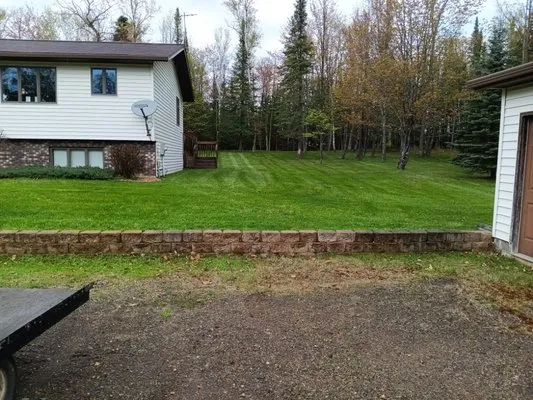
JTs Lawncare & Landscaping is a Saginaw, MN-based company dedicated to helping local homeowners maintain healthy and beautiful outdoor spaces. We understand the common challenges in our area, such as ...
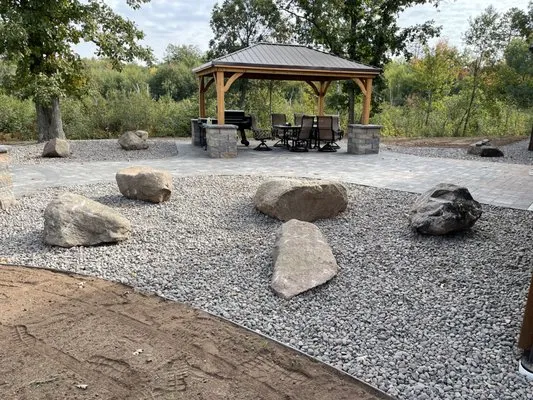
Jusczak Landscapes & Excavating
Jusczak Landscapes & Excavating is a trusted, full-service contractor serving Moose Lake, MN, and the surrounding communities. We specialize in transforming outdoor spaces, from excavation and earthmo...
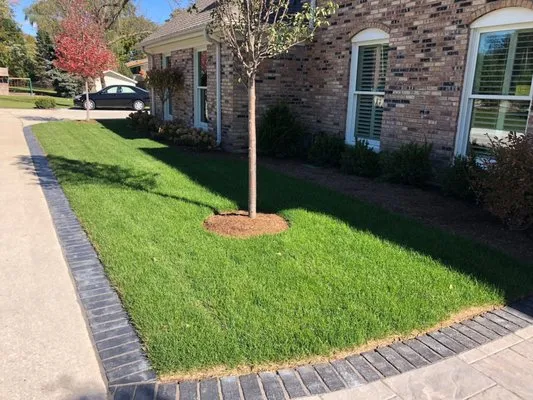
Platinum Yard Work is a trusted lawn care provider serving Duluth, MN, specializing in comprehensive lawn services to address common local landscaping challenges. Many Duluth homes face issues like tr...
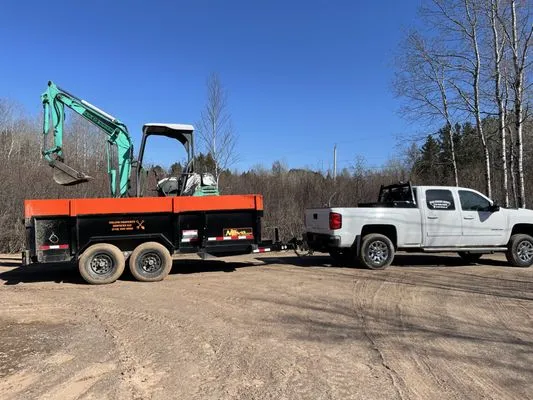
Toland Property Services is a trusted, local provider in Proctor, MN, specializing in snow removal, landscaping, and junk removal & hauling. We understand the unique challenges of maintaining Northlan...
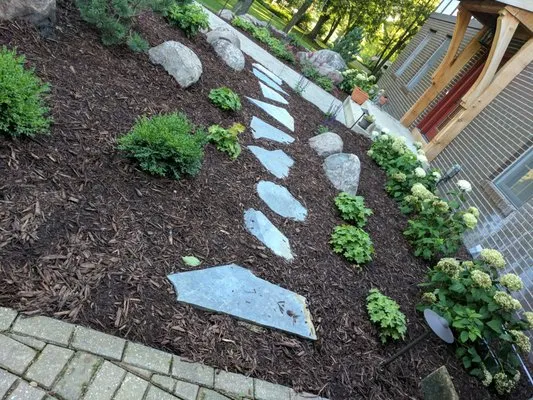
Heyer Grounds Landscaping is a family-founded business that has grown from its roots in Carlton, MN, to serve the broader Duluth and Cloquet area. We specialize in a comprehensive range of services, f...
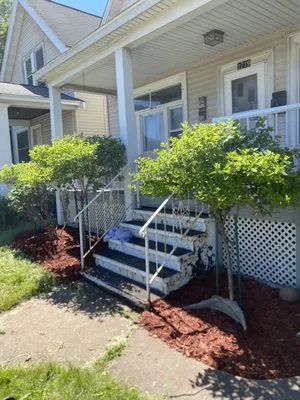
Arborist Landscaping is a locally owned and operated business in Duluth, MN, founded by a dedicated young entrepreneur committed to growing a reliable service provider in the community. We specialize ...
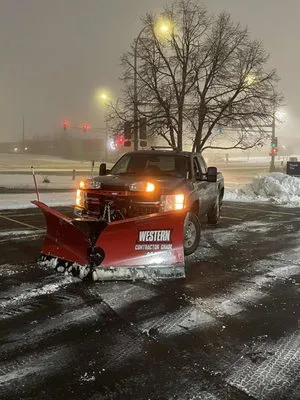
Stripes Lawn Care & Snow Removal is your Duluth, MN neighbor for year-round property care. We understand the unique challenges of the Northland, from nurturing a healthy lawn through our short growing...
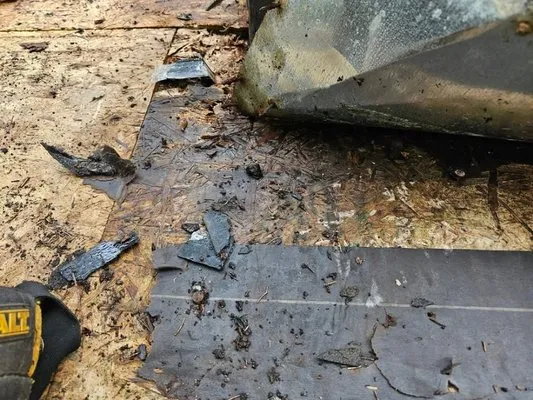
Groff Services is a locally owned and operated handyman, lawn care, and snow removal company serving Duluth, MN and surrounding Northland communities. Founded by Kenyon, the business was built on prin...
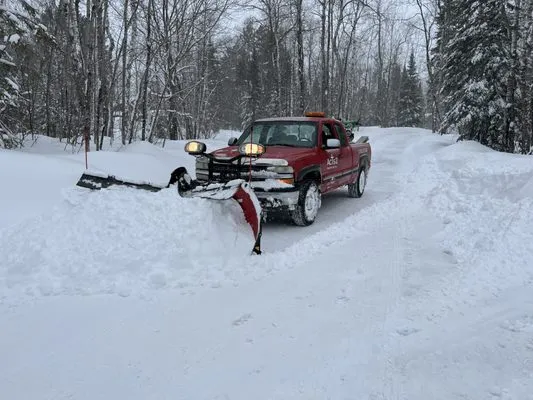
Acts2 Property Service is a Duluth-based company that approaches every job with a clear purpose. We provide reliable lawn care, thorough snow removal, and careful tree services. Our team is composed o...

For over 25 years, Kasper Outdoor Services has been a trusted partner for Duluth and Hermantown homeowners, transforming outdoor spaces into functional and beautiful extensions of the home. Founded in...
Estimated Landscaping Service Costs in Grand Lake, MN
Frequently Asked Questions
What low-maintenance alternatives exist for high-water turf areas?
Transitioning to native plant communities featuring Canada anemone, wild columbine, big bluestem, and purple prairie clover reduces maintenance by 60-80% compared to Kentucky Bluegrass. These deep-rooted perennials require no irrigation once established and support local pollinator populations. The shift aligns with emerging electric equipment mandates, eliminating gas-powered blowers during restricted hours. Native plantings also improve soil health through natural nutrient cycling and erosion control.
Why does my Grand Lake Lakeside District lawn struggle despite regular care?
Properties built around 1984 have 42-year-old soil systems. Acidic sandy loam in this neighborhood naturally compacts over decades, reducing permeability and root penetration. Core aeration every 2-3 years addresses this compaction by creating channels for air, water, and organic matter. Incorporating compost or aged manure improves soil structure and nutrient retention without altering the pH 6.2 balance that many native plants prefer.
What solutions address seasonal frost heave and poor drainage in my yard?
Acidic sandy loam soils in Grand Lake exhibit poor subsurface permeability that exacerbates frost heave damage. Installing French drains with clean gravel and perforated pipe at 18-24 inch depths redirects subsurface water away from foundations. For hardscape areas, local granite pavers set with permeable jointing materials meet Planning & Zoning Department runoff standards by allowing 8-12 inches per hour infiltration. These systems work together to manage spring thaw and heavy rain events.
How quickly can you respond to storm damage for HOA compliance in Grand Lake?
Emergency cleanup crews dispatch from Grand Lake Municipal Park via US Highway 53, arriving within 20-30 minutes during peak conditions. This routing avoids residential bottlenecks while providing access to specialized equipment. We prioritize safety assessments before debris removal, documenting conditions for insurance purposes. Daytime operations comply with local noise ordinances while addressing immediate hazards.
What permits and licenses are needed for regrading my 0.35-acre property?
The Grand Lake Planning & Zoning Department requires grading permits for any earth movement exceeding 50 cubic yards on standard lots. Contractors must hold Minnesota Department of Labor and Industry licensing for excavation work, particularly when modifying drainage patterns or working near property lines. On 0.35-acre parcels, even modest regrading can impact neighboring lots and municipal storm systems, necessitating engineered plans for slopes over 3:1 ratios. Professional licensing ensures compliance with erosion control and sediment management regulations.
How should I manage invasive species without using restricted fertilizers?
Early detection of invaders like buckthorn or garlic mustard allows targeted mechanical removal before seed set. For established infestations, we apply Minnesota-approved organic herbicides during optimal treatment windows, avoiding phosphorus fertilizer law blackout periods. Soil testing determines specific nutrient deficiencies rather than blanket applications. This precision approach controls invasives while building soil biology through mycorrhizal inoculants and organic amendments that outcompete unwanted species.
Why choose granite over wood for patios in fire-prone areas?
Local granite pavers provide non-combustible surfaces that meet Moderate Wildland-Urban Interface defensible space requirements. Unlike wood decks that require chemical treatments and regular replacement, granite withstands freeze-thaw cycles for 50+ years with minimal maintenance. The material's thermal mass moderates temperature extremes while its natural permeability manages runoff. For high-risk zones, granite creates firebreaks without compromising drainage or requiring flammable sealants.
How can I maintain Kentucky Bluegrass during dry periods without violating water restrictions?
Soil moisture sensor controllers measure actual root zone conditions rather than operating on fixed schedules. These systems apply water only when turfgrass reaches predetermined stress thresholds, typically reducing usage 20-40% compared to timer-based irrigation. For Grand Lake's normal conservation status, we program SMS controllers to deliver deep, infrequent watering that encourages deeper root growth. This approach maintains turf health while staying well within municipal water allocation limits.
