Top Landscaping Services in Fosston, MN, 56542 | Compare & Call
There are 109 landscaping companies server in Fosston MN
Mow Bros is your trusted local lawn care partner in East Grand Forks, MN. We understand the unique challenges homeowners face here, from rock gardens that shift and become unkempt to persistent moss g...

Stafford & Flom Snow Removal & Landscaping
Based in Alvarado, MN, Stafford & Flom Snow Removal & Landscaping is a locally owned business founded on a commitment to customer satisfaction and getting the job done right. Starting just a year ago,...
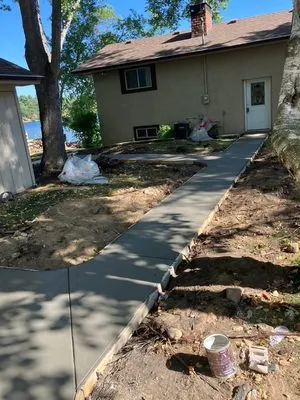
C.W. Steadman LLC is a locally owned and operated business in Little Falls, MN, specializing in masonry, concrete, landscaping, and tree services. We bring a personal touch to every project, combining...
Christensen Tree Service & Landscaping is a trusted local provider in Crookston, MN, specializing in transforming and maintaining residential and commercial outdoor spaces. We understand the common ch...
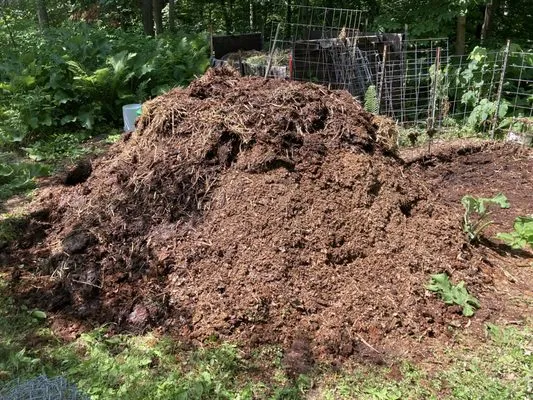
Earth Is Our Home Environmental Solutions
Earth Is Our Home Environmental Solutions is a Hackensack-based ecological landscaping service founded by Jim Etzel, who combines over a decade of soil health expertise with a nature-first philosophy ...
Great Digs Bobcat Landscaping is a Park Rapids, MN-based landscaping service specializing in revitalizing local properties. A common challenge in our area is dead lawn patches and compacted soil, whic...

Turf Technology is a Walker-based landscaping and snow removal contractor serving residential and commercial clients throughout the surrounding counties. We specialize in comprehensive outdoor solutio...

Around The Lake Property Services is a Walker, MN business dedicated to helping homeowners and cabin owners around Leech Lake protect and enjoy their properties. Founded on a genuine love for the area...
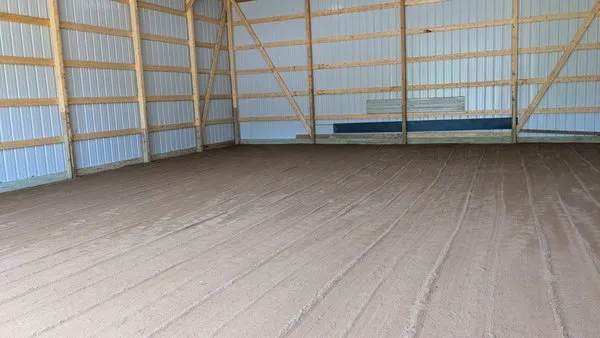
T & A Becker Services
T & A Becker Services is a trusted, full-service excavation and landscaping company serving Hackensack, MN, and the surrounding area. We specialize in a comprehensive range of services including soil ...
Minnesota Landscaping And Habitat
Since 1982, Minnesota Landscaping & Habitat has been a trusted, locally owned and operated company serving Pine River and the surrounding Lakes Area. We specialize in transforming properties with expe...
Estimated Landscaping Service Costs in Fosston, MN
Q&A
We have an HOA compliance notice for overgrowth and need emergency cleanup. How quickly can a crew arrive?
A standard service response from our dispatch near Fosston City Park is 15-20 minutes via US Highway 2. We maintain an electric fleet compliant with the 7:00 AM start time under local noise ordinances for immediate deployment. The crew will bring equipment capable of handling the required mowing and debris removal to resolve the compliance issue within the same business day.
We want to regrade our 0.25-acre lot to fix a drainage issue. What permits and contractor qualifications are needed?
Significant grading work requires a permit from the Fosston City Hall Planning Department to ensure compliance with erosion control and stormwater management codes. The contractor must hold appropriate licensing through the Minnesota Department of Labor and Industry, which verifies competency in excavation and land alteration. This is crucial for protecting property value and preventing downstream drainage problems for neighbors.
Our yard turns into a muddy mess every spring thaw. What's a long-term fix?
Seasonal frost heave and poor spring drainage are common in Fosston's loam soils due to their variable permeability. Installing a French drain system tied to a dry well addresses subsurface water movement. For surface solutions, using permeable materials like crushed granite or concrete pavers for patios and paths can meet city planning department runoff standards by allowing infiltration and reducing muddy conditions.
How do we keep our Kentucky Bluegrass healthy during dry spells without wasting water?
Smart Wi-Fi soil moisture sensors provide an ET-based irrigation solution. These devices measure actual soil water content at the root zone, triggering irrigation only when needed, which aligns with standard conservation practices. This technology prevents overwatering, which is a primary cause of fungal disease in turf, and ensures efficient use within any municipal water limits while maintaining turf health.
My East Side Residential lawn seems to struggle every year despite fertilizer. Could the soil itself be the issue?
Soil maturity is a likely factor. Many lots in this neighborhood were developed around 1963, resulting in soils that have settled for over 60 years. The underlying Mollisols and loam can become severely compacted, restricting root growth and water percolation. An annual core aeration program is essential to break up this compaction and introduce organic matter, which improves soil structure and nutrient availability for your Kentucky Bluegrass.
We're building a new patio. Is wood or crushed granite better for our climate and safety?
For longevity in Zone 3b with its freeze-thaw cycles, crushed granite or concrete pavers are superior to wood. They offer greater durability, require no sealing or staining, and provide excellent permeability for drainage. While Fosston has a low Firewise rating, non-combustible hardscape materials inherently contribute to defensible space by creating a firebreak, which is a prudent consideration for any residential landscape.
We're tired of the constant mowing and gas-powered equipment noise. Are there lower-maintenance options?
Transitioning high-maintenance turf areas to a xeriscape featuring native plants like Purple Coneflower, Big Bluestem, Wild Bergamot, and Prairie Dropseed significantly reduces water, mowing, and chemical inputs. These deep-rooted perennials are adapted to Zone 3b and support local biodiversity. This shift also future-proofs your property against evolving noise ordinances restricting gas-powered blowers and mowers.
Creeping Charlie has taken over a section of our lawn. How can we eliminate it without harming everything else?
Creeping Charlie is a pervasive invasive in Minnesota. Treatment requires a targeted, multi-step approach. A selective, non-phosphorus herbicide applied in early fall when the weed is actively transporting nutrients to its roots is most effective. This method aligns with the Minnesota Phosphorus Fertilizer Law. Following control, reseeding with a dense Kentucky Bluegrass blend and improving soil health through aeration helps prevent reinfestation.
