Top Landscaping Services in Farmington, MN, 55024 | Compare & Call

There are 191 landscaping companies server in Farmington MN
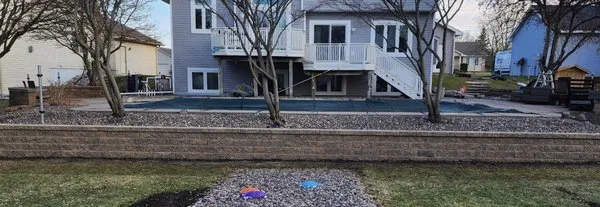
Romero Landscaping & Tree Service is a locally owned and operated business serving Minneapolis and the surrounding communities. With eight years of hands-on industry experience, we provide a comprehen...
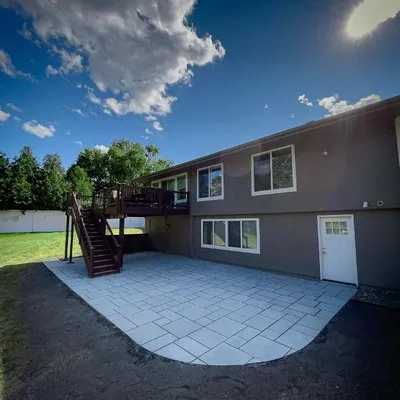
Stone Arch Landscapes
Stone Arch Landscapes is a Minneapolis-based landscape architecture and construction firm founded by Brett Hammond and Tony Cousins. Both University of Minnesota graduates in Landscape Architecture, t...
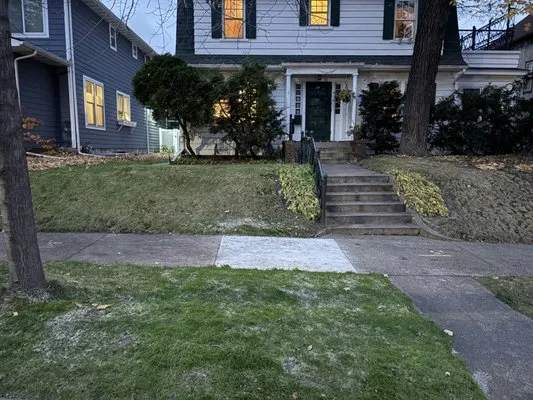
Mowtivated Outdoor Services is a Minneapolis-based company founded on a lifelong passion for working in the natural elements. Growing up mowing lawns, clearing snow, and tackling landscaping projects ...

Stonecrop Design in Minneapolis brings a unique, human-centered approach to landscaping, rooted in a personal story of healing. After founder Cary Anderson's recovery at North Memorial Hospital, she w...
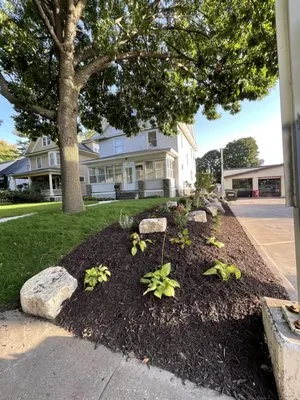
Attractive Landscaping provides a personal, reliable landscaping and lawn maintenance service for homes and businesses across Richfield and the Twin Cities metro. Our approach is built on direct commu...
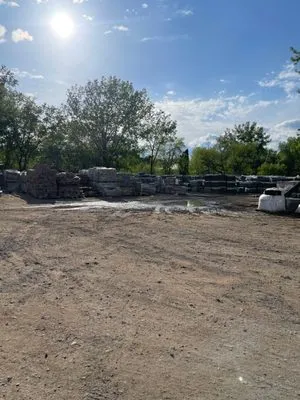
Patio Town is a locally owned and operated landscaping supplier serving Oakdale and the greater Twin Cities since 1965. With retail locations in Oakdale, Burnsville, and Brooklyn Park, we provide a co...
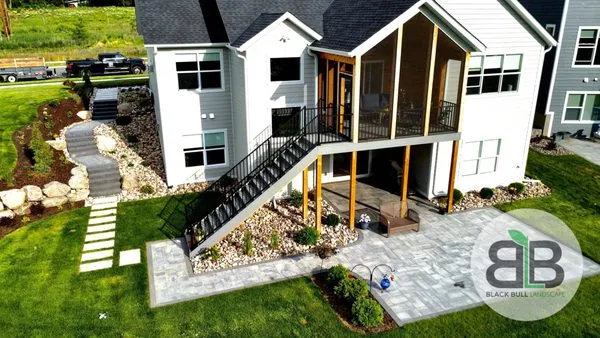
I'm Jose, owner of Black Bull Landscapes in Inver Grove Heights. I started this company because I believe in building outdoor spaces the right way from the ground up. After years of hands-on work, I s...
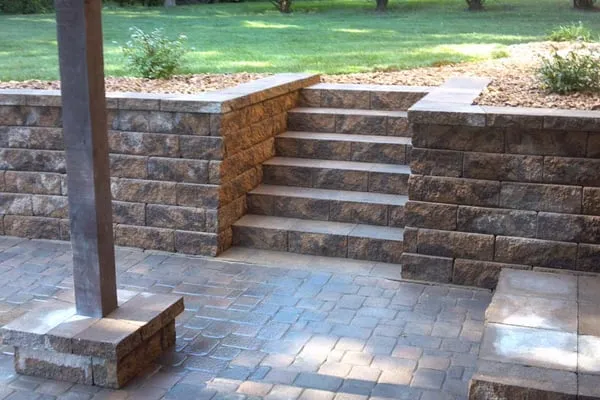
Groundworks Landscaping & Hardscaping is a family-owned and operated contractor based in Hastings, Minnesota, established in 1995. Led by Chris, who has been with the company from the start, the team ...
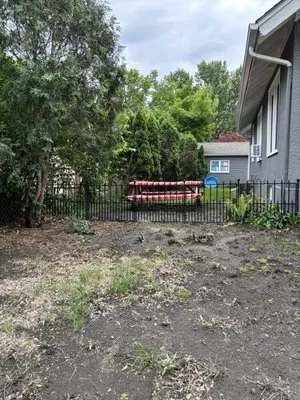
For over 40 years, Weed Man has helped Burnsville homeowners create healthy, vibrant yards they're proud to call home. Your local expert, Steve, has a degree in Turf Management from UW-Madison and has...
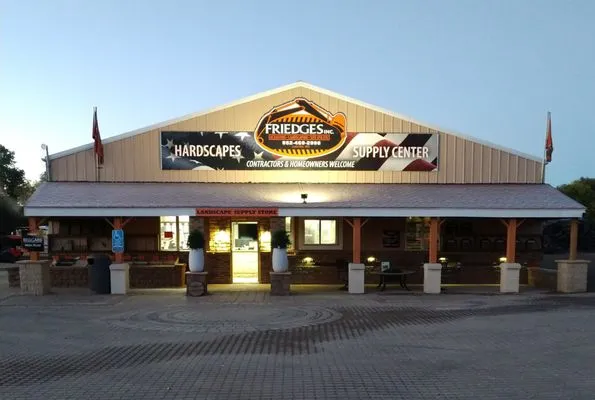
Friedges Landscaping
Friedges Landscaping is a Lakeville, MN-based company with over 40 years of experience serving both residential and commercial clients throughout the metro area and greater Minnesota. Specializing in ...
Estimated Landscaping Service Costs in Farmington, MN
Frequently Asked Questions
Are concrete pavers a better long-term choice than wood for our patio?
For longevity and low maintenance in Farmington's climate, concrete pavers outperform wood. They resist frost heave, do not rot, and have a lifespan exceeding 25 years with proper installation on a compacted gravel base. In the context of our low Firewise rating, pavers and crushed granite also provide non-combustible, defensible space immediately adjacent to the home, a key consideration in the wildland-urban interface.
Is there a lower-maintenance, eco-friendly alternative to our traditional lawn?
Replacing high-input turf areas with a matrix of native plants like Purple Coneflower, Little Bluestem, and Prairie Dropseed significantly reduces water, mowing, and chemical needs. These deep-rooted perennials build soil health and support local pollinators. This transition also future-proofs your landscape against tightening noise ordinances that restrict gas-powered blowers and mowers, as native plantings require minimal seasonal cutting with electric tools.
Why does our soil seem so compacted and tired, even with regular care?
Soil in Downtown Farmington lots built around 1997 is now 29 years old, with original construction-grade loamy/silty clay loam heavily compacted by machinery. This age means the soil profile has matured without significant organic input, reducing permeability and root penetration. Annual core aeration and top-dressing with compost are critical to rebuild structure and counteract the inherent density of our clay subsoils.
What invasive species should we watch for, and how do we treat them safely?
In USDA Zone 4b, watch for aggressive invaders like Buckthorn, Creeping Bellflower, and Garlic Mustard, which outcompete natives. Manual removal for seedlings and careful herbicide application for mature stands are necessary, timed outside of spring wildflower blooms to protect pollinators. All treatments must comply with Minnesota's Phosphorus Lawn Fertilizer Law; ensure any soil amendments or weed-and-feed products are phosphorus-free unless a current soil test confirms a deficiency.
What permits and contractor licenses are needed for a backyard grading project?
Any significant regrading or earthmoving on a 0.22-acre lot requires a review by the Farmington Planning and Zoning Department to ensure compliance with drainage and erosion control ordinances. The contractor performing the work must hold the appropriate license from the Minnesota Department of Labor and Industry, typically a Residential Building Contractor or Residential Remodeler license. This ensures they are bonded, insured, and knowledgeable about state building codes, protecting your property investment.
Can we keep our lawn healthy during voluntary water conservation stages?
Yes. Smart Wi-Fi controllers with soil moisture sensors are essential for managing Kentucky Bluegrass blends under Stage 1 voluntary conservation. These systems apply water only when evapotranspiration (ET) data and sensor readings indicate need, preventing overwatering. This technology can reduce potable water use by 20-30% while maintaining turf health, aligning with municipal water limits.
How quickly can you respond for an emergency storm cleanup to meet HOA deadlines?
For urgent HOA compliance or storm damage, our dispatch from Ramme Park via Minnesota State Highway 3 allows a 20-30 minute peak response to Downtown Farmington. We prioritize routes with minimal residential disruption, coordinating with city services to clear debris and restore safety. Our electric equipment fleet operates within the 7:00 AM start time under local noise ordinances.
Our yard stays soggy long after rain. What's the cause and solution?
Persistent wetness is caused by Farmington's seasonal high water table and the poor infiltration rate of our underlying clay subsoils. Surface water cannot percolate down, creating temporary perched water tables. Solutions include installing French drains to channel water away from foundations and regrading to create positive slope. For patios or paths, specifying permeable pavers instead of solid concrete allows water to infiltrate locally, reducing the burden on your property's drainage.
