Top Landscaping Services in Duluth, MN, 55801 | Compare & Call
There are 83 landscaping companies server in Duluth MN

Groff Services is a locally owned and operated handyman, lawn care, and snow removal company serving Duluth, MN and surrounding Northland communities. Founded by Kenyon, the business was built on prin...
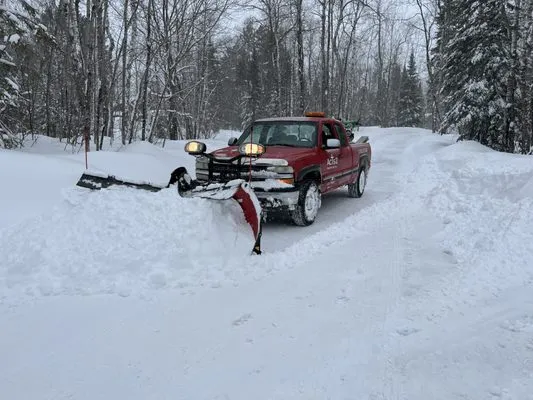
Acts2 Property Service is a Duluth-based company that approaches every job with a clear purpose. We provide reliable lawn care, thorough snow removal, and careful tree services. Our team is composed o...
For over 25 years, Kasper Outdoor Services has been a trusted partner for Duluth and Hermantown homeowners, transforming outdoor spaces into functional and beautiful extensions of the home. Founded in...
Haynes Services is a trusted local landscaping company serving Duluth, MN, and the surrounding areas. We specialize in addressing the common local challenges homeowners face, such as frustrating irrig...
The Grass is Greener is a licensed landscaping and hardscaping company based in the Duluth area. We help property owners transform their outdoor spaces with durable, functional, and beautiful solution...
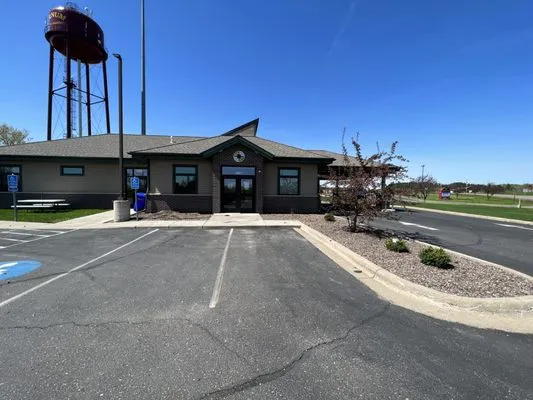
Freedom Lawn care & Outdoor Restorations
Freedom Lawn Care & Outdoor Restorations is a local, family-owned business in Barnum, MN, born from a personal dream. After the pandemic, our owner, a 100% disabled veteran, decided to follow his pass...
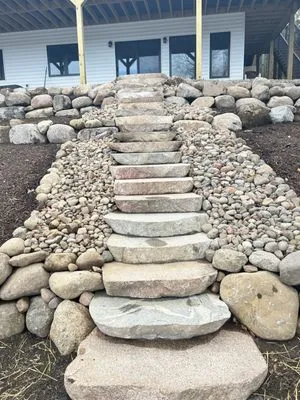
BCH Landscapes is a locally owned and operated landscaping and masonry company serving Saginaw, MN, and the greater Duluth area. Founded on a commitment to durability and thoughtful design, we special...

W&D Landscaping and Plowing is a local landscaping company serving Esko, Duluth, and surrounding areas in Minnesota. We specialize in comprehensive landscape solutions for both residential and commerc...

C&E Lawn Services is a trusted, locally-owned lawn care provider serving Hermantown, MN, and the surrounding areas. We specialize in comprehensive lawn care solutions designed to address common local ...
Grover Tree Experts
Grover Tree Experts is a locally owned and operated tree service company based in Carlton, MN, serving the broader Northland community. We provide safe, professional tree and shrub care, from trimming...
Estimated Landscaping Service Costs in Duluth, MN
Questions and Answers
I want to reduce mowing and gas-powered maintenance. What should I plant?
Transitioning high-maintenance turf to a climate-adaptive xeriscape is a forward-looking strategy. Incorporate native plants like Canada Anemone, Wild Columbine, Blue Flag Iris, and Serviceberry. These species are adapted to Zone 4b, require minimal watering once established, and eliminate weekly mowing. This shift preemptively addresses future noise ordinance expansions on gas equipment and supports 2026 biodiversity targets.
What permits and contractor credentials are needed for regrading my yard?
Regrading a 0.15-acre lot, especially on a slope, often requires a permit from Duluth Construction Services & Inspections to ensure erosion control and drainage plans are sound. The contractor must hold appropriate licensing through the Minnesota Department of Labor and Industry. This is crucial for work affecting soil stability and water runoff, as improper grading can create liabilities for both property and downstream neighbors.
My yard has major erosion and runoff problems. What's a lasting solution?
High runoff on steep slopes is a primary hazard with Duluth's sandy loam soil, which has low water-holding capacity. The solution integrates grading and permeable hardscapes. Installing channels lined with local Duluth Gabbro stone and using permeable concrete pavers for patios or walkways increases ground absorption. These systems often meet Duluth Construction Services & Inspections' updated runoff standards by managing water on-site.
How do I keep my Kentucky Bluegrass and Fine Fescue lawn healthy without wasting water?
Duluth is currently in Stage 0 water restrictions, but proactive conservation is standard. A soil moisture sensor-based drip irrigation system is the most effective tool. It applies water directly to the root zone based on actual ET (evapotranspiration) rates, preventing the high runoff common on steep slopes. This method can reduce potable water use by up to 50% compared to traditional sprinklers while maintaining turf health.
What invasive species should I watch for, and how do I control them safely?
Common invasive alerts for this area include Buckthorn and Creeping Bellflower. Manual removal for young plants or targeted cut-stump herbicide application for large specimens is recommended. All treatments must use phosphorus-free fertilizers and herbicides to comply with Minnesota Statute 18C.60. Apply soil amendments in early May to strengthen desired native plants and outcompete invasives.
Is a wood deck or a stone patio better for durability and fire safety here?
Given Duluth's moderate Fire Wise rating due to Wildland-Urban Interface adjacency, non-combustible materials are advised. Local Duluth Gabbro stone and permeable concrete pavers offer superior longevity and require no chemical treatments compared to wood. They also create critical defensible space when installed within 5 feet of a structure, a key recommendation for reducing fire risk in high-hazard zones.
We have an HOA compliance deadline for storm debris cleanup; how quickly can a crew arrive?
For emergency or time-sensitive cleanups, we dispatch from our central yard near Leif Erikson Park. Using I-35, our peak storm response to the East Hillside neighborhood is a reliable 20-30 minutes. Crews operate electric blowers and chippers to comply with the 10 PM to 7 AM noise ordinance, ensuring immediate, compliant work can begin upon arrival.
Why is the soil in my East Hillside yard so compact and thin, and what can I do about it?
Most East Hillside lots were developed around 1951, giving the soil a 75-year maturity profile. The underlying acidic sandy loam is naturally prone to compaction, which is accelerated by decades of foot traffic and traditional maintenance. This reduces percolation and root penetration. Core aeration in early fall, followed by top-dressing with compost, is critical to increase organic matter and improve soil structure without drastically altering the native pH.
