Top Landscaping Services in Crow Wing, MN, 56401 | Compare & Call
There are 202 landscaping companies server in Crow Wing MN
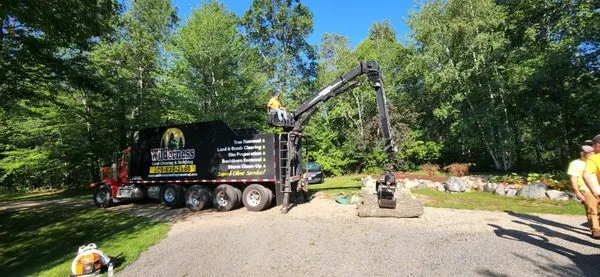
Wilderness Land Clearing and Mulching has been serving Fort Ripley and surrounding areas since 2011, providing reliable land management solutions. With over thirty years of combined industry experienc...
Pnj's Out On A Limb Tree & Landscaping is a trusted local landscaping company serving Cushing, MN, and the surrounding areas. With deep roots in the community, we specialize in comprehensive tree care...
North Star Landscaping provides essential lawn and shrub care for Richmond, MN, residents. We understand the local challenges, including dying shrubs and lawn frost damage caused by our harsh Minnesot...
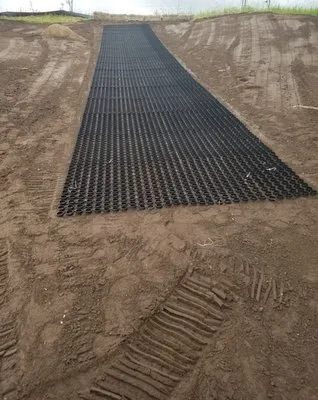
Nelson's Logging
Founded in Aitkin, Nelson's Logging is a family-run operation built on hard work and a passion for the outdoors. Owner and operator [Name] started by mowing lawns, but his love for the land and a desi...
Stevo's Docks & Lifts in Aitkin, MN, is a trusted local business dedicated to enhancing and protecting your waterfront property. While renowned for docks and lifts, their expertise extends to addressi...
Hohenstein Excavating & Landscaping is a trusted, family-owned business serving Aitkin, MN, and the surrounding communities. We understand the unique challenges local homeowners face, like persistent ...
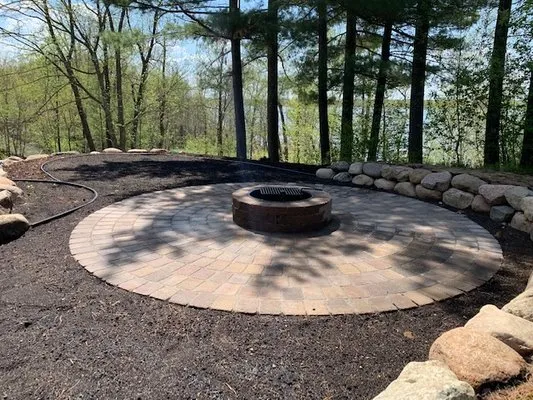
Lakeside Lawn & Landscape is a dedicated, locally-owned landscaping company serving Pequot Lakes, MN, and the surrounding Brainerd Lakes Area. We understand the unique challenges homeowners face in ou...

Jim's Tree Service is a trusted, family-owned tree care and landscaping provider serving Isle, Aitkin, Brainerd, and the surrounding Mille Lacs Lake region for over 20 years. Based in the Isle, MN 563...
Rohman Lawn Care is your trusted local landscaping partner in Onamia, MN, dedicated to solving the specific lawn challenges homeowners face in our community. We specialize in addressing common local i...
Arts Lawn Svc is a trusted landscaping company serving Aitkin, MN, dedicated to helping homeowners maintain beautiful, functional outdoor spaces. We specialize in addressing common local landscaping c...
Estimated Landscaping Service Costs in Crow Wing, MN
Question Answers
We want to reduce mowing and gas equipment noise. What native alternatives work here?
Replacing high-maintenance turf with Big Bluestem, Wild Bergamot, Butterfly Milkweed, and Canada Anemone creates biodiverse landscapes requiring minimal intervention. These natives thrive in USDA Zone 3b with acidic sandy loam, needing only seasonal cutting rather than weekly mowing. Electric maintenance equipment operates below 65 decibels, complying with 10 PM to 7 AM quiet hours while supporting 2026 biodiversity standards through pollinator habitat creation.
How do we maintain our Kentucky Bluegrass and Fine Fescue mix during dry periods without violating water restrictions?
Stage 0 water restrictions allow irrigation, but soil moisture sensor systems optimize usage by measuring volumetric water content at 6-inch depth. These SMS systems reduce water application by 30-50% compared to timer-based irrigation while maintaining turf health. We program zones separately for sun exposure variations, ensuring ET-based replacement without exceeding municipal limits of 1 inch per week during peak demand.
Should we use local granite or wood for our new patio considering fire safety?
Local granite pavers provide superior longevity with 50+ year lifespan versus wood's 15-20 years with maintenance. In Moderate Wildland-Urban Interface zones, non-combustible materials like granite create defensible space within 30 feet of structures. Concrete pavers offer similar fire resistance while allowing permeability for drainage. Both materials withstand freeze-thaw cycles better than wood and require no chemical treatments that could violate fertilizer ordinances.
Our yard seems compacted and drains poorly. Is this typical for Crow Wing Lake District properties?
Properties in Crow Wing Lake District built around 1992 have 34-year-old soil profiles. Acidic sandy loam with pH 5.8-6.5 naturally compacts over decades, reducing permeability to 0.5 inches per hour. Core aeration every 2-3 years with compost amendments at 0.25 cubic yards per 1000 square feet addresses this maturity issue. Soil testing through University of Minnesota Extension confirms specific amendment needs.
We need emergency storm cleanup to meet HOA requirements by tomorrow. What's your response protocol?
Emergency dispatch routes from Crow Wing State Park via MN-371 to reach Crow Wing Lake District within 45-60 minutes during peak conditions. Our electric fleet operates within 10 PM to 7 AM quiet hours using battery-powered equipment. We prioritize safety zones first, then address visible HOA violations like fallen branches over 2 inches in diameter or debris blocking drainage paths.
What permits and licensing are required for regrading our 0.50 acre property?
Grading projects altering more than 100 cubic yards of soil require Crow Wing County Land Services Department permits with engineered drainage plans. Contractors must hold Minnesota Department of Labor and Industry licensing for excavation work exceeding $15,000. On 0.50 acre lots, this typically applies to projects moving over 50 tons of material. Professional licensing ensures proper slope stabilization and erosion control during construction to prevent downstream impacts.
Our yard experiences pooling and frost heave each spring. What solutions work with our soil type?
High infiltration in acidic sandy loam combines with seasonal frost heave to create drainage challenges. Permeable local granite pavers installed with 4-inch gravel base and 2-inch sand layer achieve 8-12 inches per hour permeability rates. This meets Crow Wing County Land Services Department runoff standards while preventing heave damage. French drains should be placed 18-24 inches deep with proper slope calculations for 0.50 acre lots.
We've spotted creeping bellflower and buckthorn invading our property. How do we treat them safely?
Creeping bellflower requires careful digging to remove all rhizomes, while buckthorn needs cut-stump treatment with glyphosate under 20% concentration. Both treatments avoid phosphorus fertilizers per statewide restrictions. Apply during active growth periods before seed set, typically May through September. Always use Minnesota Department of Agriculture-approved herbicides and follow label rates precisely to protect nearby natives and prevent groundwater contamination.
