Top Landscaping Services in Corinna, MN, 55302 | Compare & Call
There are 153 landscaping companies server in Corinna MN
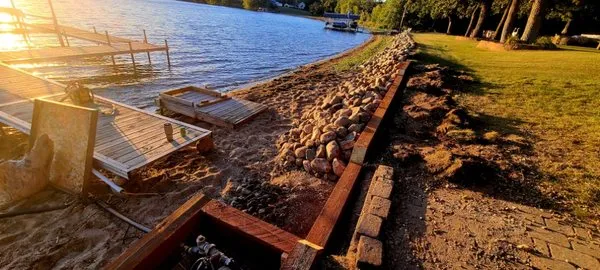
Manke Outdoor Services in Annandale, MN, is a locally owned and operated business specializing in comprehensive outdoor care. With deep roots in the community, owner Manke has been tending to lawns si...
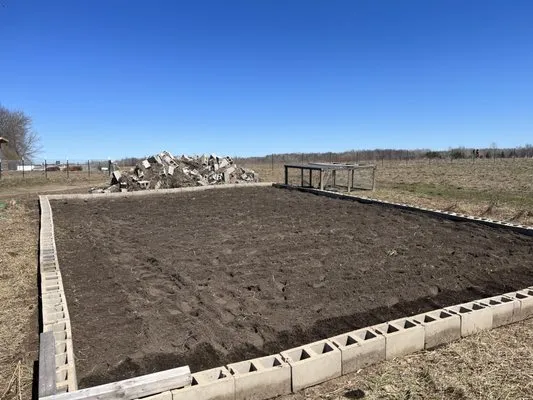
BG's Lawn and Yard Care is a trusted local business in Foley, MN, with over five years of hands-on experience serving the community. What began as a dedicated side project has now grown into a full-ti...
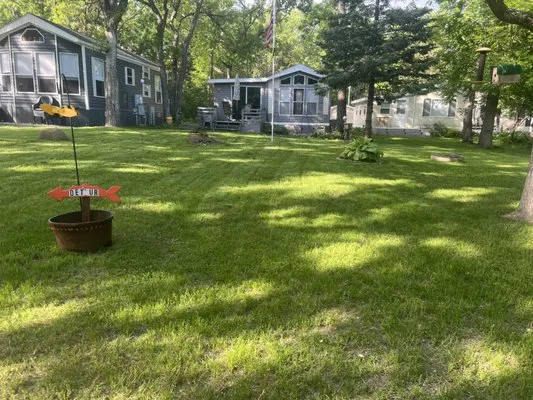
Trusty Trimmers Lawn Care is a Clear Lake, MN-based lawn service provider dedicated to maintaining and enhancing local landscapes. We specialize in comprehensive lawn care solutions tailored to the sp...
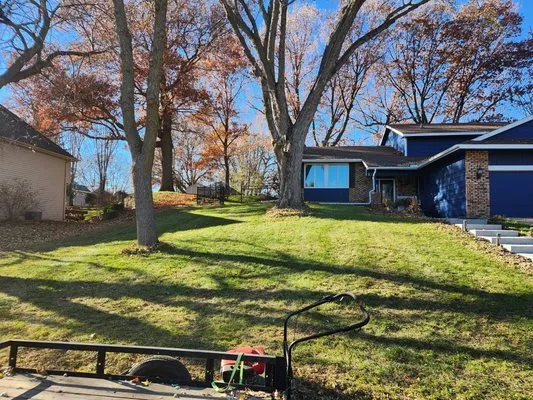
Ray's Services is a locally owned and operated property maintenance business serving Buffalo, MN, and the surrounding areas west of the Twin Cities metro. We specialize in efficient lawn care and thor...
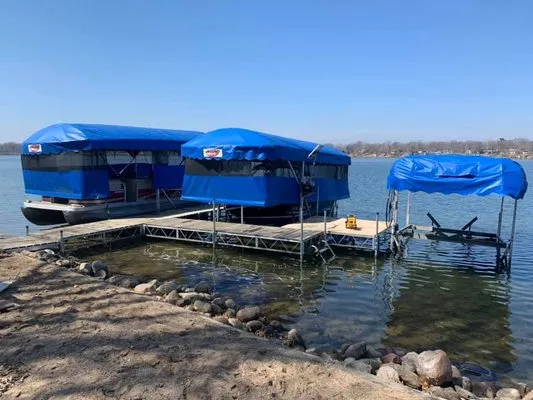
Northern Lawn & Dock Services is your trusted local expert for lawn and tree care in Big Lake, MN. We understand the unique challenges of our climate, including common yard drainage problems and persi...
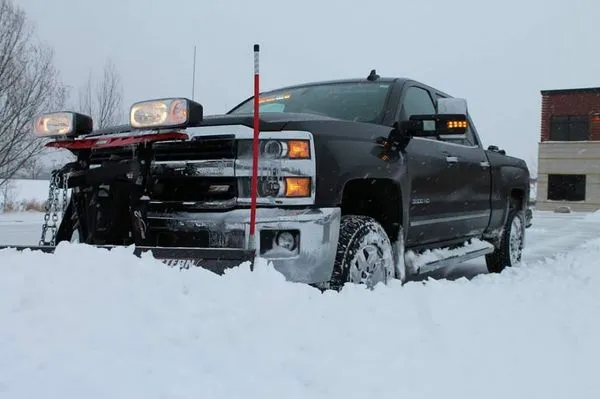
E&M Outdoor Services is a family-owned lawn care and snow removal business serving Monticello, MN, and surrounding communities. Founded in 2015 by local Buffalo residents Edward and Melissa Arens, the...
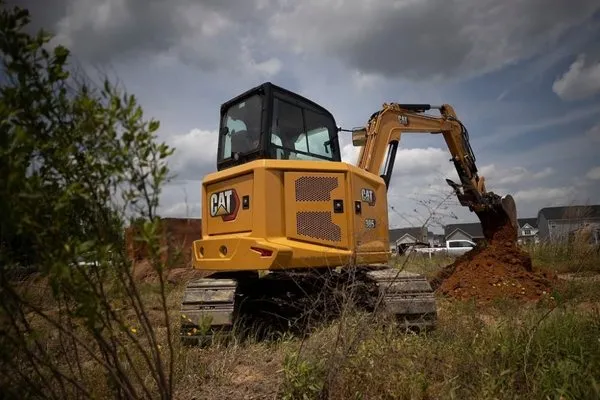
Nick's Lawncare is a family-owned, fully insured and licensed LLC serving Wyoming, MN and the North Twin Cities metro area with over 10 years of experience. Based in nearby Princeton, we specialize in...

Elevate Outdoor Solutions is a Princeton-based irrigation and lawn services company dedicated to enhancing outdoor spaces in our local community. We specialize in irrigation construction, design, repa...
Springvale Design and Landscape is a Dalbo-based landscaping company specializing in comprehensive outdoor solutions for local residents. We focus on transforming yards with precision hardscaping like...
Great Landscaping provides comprehensive landscape solutions for homeowners in Becker, MN. We understand the local challenges, such as landscape edging damage from harsh winters and soil conditions th...
Estimated Landscaping Service Costs in Corinna, MN
Frequently Asked Questions
Part of my yard stays soggy for days after rain. What's the best long-term solution?
This indicates a seasonal high water table interacting with poor infiltration in clay pockets common in our glacial soils. The solution involves improving subsurface drainage through strategic grading and possibly a French drain system. For hardscape areas, using permeable concrete pavers or an open-graded crushed granite base can significantly increase infiltration, helping meet Wright County Planning & Zoning standards for stormwater management on your 2.5-acre lot.
What's the most common lawn disease issue in our area, and how is it treated organically?
Red thread and leaf spot are prevalent in our cool, humid springs, especially in Fine Fescue blends. Organic management focuses on soil health: raising mowing height, ensuring balanced nutrition without phosphorus, and improving air flow. Applying a top-dressing of compost can introduce beneficial microbes that suppress pathogens. This systemic approach builds resilience, reducing the need for fungicides that can disrupt soil biology.
If a storm causes significant tree damage, what's your typical emergency response time?
Our peak storm response time is 45-60 minutes. We dispatch crews from our central staging area near the Corinna Town Hall, using MN-24 for primary access. This route allows for efficient travel throughout the township, even during high-demand events. We prioritize safety hazards and road blockages to achieve HOA or municipal compliance swiftly.
My yard's soil seems hard and dense. Is this typical for homes built in the 1980s around here?
Yes, this is a common profile for Corinna Township Residential Core. Homes built around 1984, like yours, have soils that are now 42 years old. The native Glacial Till Loam compacts over decades of standard maintenance, reducing permeability. Core aeration and incorporating composted organic matter are essential to rebuild structure and counteract the natural settling and compaction of this soil type.
How can I keep my Kentucky Bluegrass lawn healthy during dry spells without overwatering?
Voluntary conservation is advised, making efficient water use critical. We install soil-moisture sensor bypass systems that override scheduled irrigation only when the root zone needs water. This ET-based approach can reduce potable water use by 20-40% while preserving turf health. The system targets the specific water-holding capacity of your Glacial Till Loam, preventing both drought stress and wasteful runoff.
We want to regrade a large portion of our property. What permits and contractor qualifications are needed?
Grading on a 2.5-acre lot that alters drainage patterns or involves significant cut/fill typically requires a permit from Wright County Planning & Zoning. The contractor must hold the appropriate license from the Minnesota Department of Labor and Industry, which ensures they carry required insurance and understand state excavation codes. This is crucial for protecting your property and ensuring the work does not negatively impact neighboring parcels or watersheds.
Are concrete pavers a better choice than wood for a new patio, considering maintenance and fire risk?
For longevity and low maintenance in Zone 4b, concrete pavers are superior. They resist frost heave better than monolithic concrete and won't rot or splinter like wood. From a fire-wise perspective, their non-combustible nature is a significant advantage in Corinna's Moderate Wildland-Urban Interface rating, helping create the defensible space recommended around structures. Crushed granite paths offer a permeable, fire-resistant alternative for secondary areas.
I want to reduce mowing and chemical use. What are my best native plant options?
Transitioning to a native planting palette is a forward-thinking strategy. Species like Big Bluestem, Butterfly Milkweed, Wild Bergamot, and Purple Prairie Clover are adapted to Zone 4b and our soil pH. Once established, these deep-rooted perennials require no irrigation, minimal maintenance, and provide critical habitat. This approach also future-proofs your landscape against evolving noise ordinances that restrict gas-powered equipment use.
