Top Landscaping Services in Columbus, MN, 55025 | Compare & Call
There are 198 landscaping companies server in Columbus MN

Hogdal Turf has been a trusted turfgrass supplier in Ham Lake, MN, since 1965, specializing in high-quality Scotts Elite Variety sod for residential lawns, commercial landscapes, athletic fields, and ...
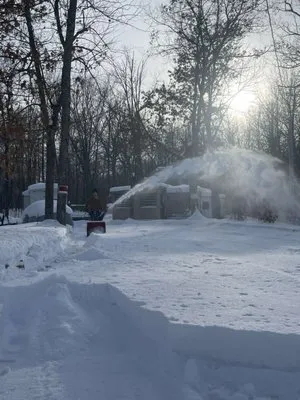
Freedom Stripes Lawn Care Inc. is a Stacy-based lawn care and property maintenance company. We help local homeowners reclaim their free time by handling the weekly yard work, from mowing and seasonal ...
Northland Landscape & Construction
Northland Landscape & Construction is your trusted, local partner in Bethel for creating and maintaining beautiful, durable outdoor spaces. We specialize in landscaping, masonry/concrete, and fencing ...
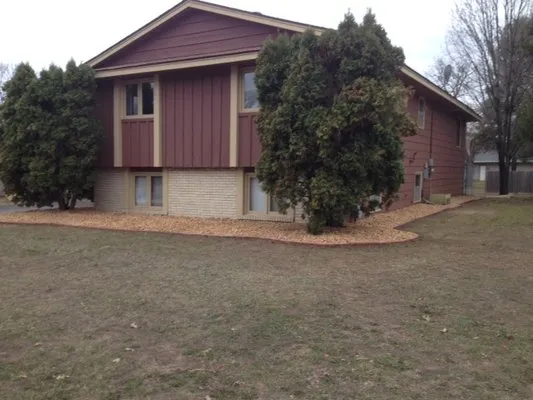
C & D Landscaping is a trusted, family-owned lawn care company with over 30 years of dedicated service to Stacy, North Branch, Forest Lake, and the surrounding communities. Our team of qualified profe...
Friendly Lawn Care and Snow Removal
Friendly Lawn Care and Snow Removal is your trusted local partner in Saint Paul, MN, for maintaining a beautiful and functional property year-round. We understand the common landscaping challenges in ...
Eddie's Landscaping is a trusted, locally-owned landscaping company serving Chisago City, MN, and the surrounding area. We specialize in addressing common local lawn and soil challenges, particularly ...
Cutting Edge Landscaping is your local Forest Lake expert for creating and maintaining vibrant, healthy outdoor spaces. We understand the common challenges homeowners in our area face, such as inconsi...
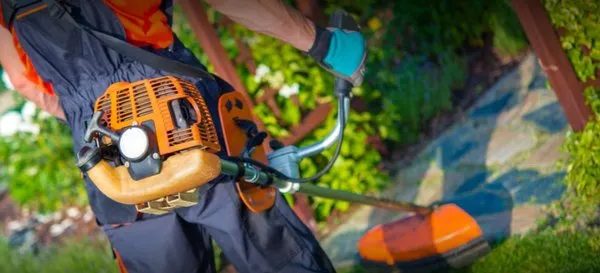
Belair Company is a full-service landscaping and waterproofing resource for Forest Lake, MN, and the surrounding areas. We provide comprehensive solutions from design to installation, including expert...
Estimated Landscaping Service Costs in Columbus, MN
Frequently Asked Questions
We want a new patio. Are concrete pavers a better choice than wood?
For longevity and low maintenance in our climate, inorganic materials like concrete pavers or crushed granite are superior. Wood requires constant sealing and deteriorates within a decade, while properly installed pavers can last a lifetime with minimal upkeep. From a Fire Wise perspective, living in a Moderate (WUI Zone 2) risk area, non-combustible hardscapes contribute to the required defensible space around your home, reducing fire fuel and enhancing safety compared to wooden decks or mulch beds placed too close to structures.
My Columbus yard doesn't hold water well. Is it just the sandy soil?
Properties in Columbus City Center built around 1980, like yours, have soils that have matured for roughly 46 years. Neutral Sandy Loam has good permeability but often develops significant compaction from decades of foot traffic and maintenance, reducing its ability to absorb and retain water. This compaction layer impedes percolation and root growth. The solution is not more water, but core aeration to relieve compaction and the addition of compost to build stable organic matter, which will improve the soil's water-holding capacity and overall health.
A storm knocked down branches overnight. How fast can you get here for an emergency cleanup?
For HOA compliance or emergency storm cleanup, we dispatch crews from our central dispatch near Columbus City Hall. Using the I-35 corridor, we can typically reach most Columbus City Center addresses within the 25-35 minute window for peak storm response, arriving within the city's permitted noise ordinance hours of 7:00 AM. Our electric equipment fleet is designed for early morning starts without violating noise restrictions, allowing us to begin work promptly and efficiently clear debris.
We're planning significant regrading. What do we need to know about permits and contractors?
On a 2.5-acre lot, significant earth moving and grading often require a permit from the Columbus Planning & Zoning Department to ensure proper stormwater management and adherence to setback rules. More critically, you must hire a contractor licensed by the Minnesota Department of Labor and Industry. This licensing ensures they carry the required insurance and bonding, protecting you from liability. It also guarantees they understand state codes for excavation depth, soil compaction, and proper drainage—essential for a project of this scale.
I see Creeping Charlie everywhere. How do I get rid of it without harming my lawn?
Creeping Charlie is a pervasive invasive here. Effective control requires a multi-tactic approach: improving lawn density through proper mowing height and core aeration to outcompete it, combined with targeted spot-treatment using a selective, Minnesota-approved herbicide in fall when the plant is most vulnerable. Crucially, any product used must comply with the Minnesota Phosphorus Fertilizer Law, which prohibits phosphorus on established lawns. This strategy manages the weed without violating local ordinances or damaging soil biology.
My yard is soggy for weeks in spring. What's the best long-term fix?
Seasonal saturation is a common issue in Columbus due to our high water table and the dense layer that can form beneath sandy loam. The most effective solution integrates subsurface drainage, like a French drain system, with surface grading to direct water away from structures. For any new patios or paths, using permeable materials like crushed granite or specific concrete pavers allows rainwater to infiltrate directly, meeting modern runoff standards from the Columbus Planning & Zoning Department and reducing the burden on your drainage system.
With no water restrictions now, is my smart sprinkler system still worth it?
Absolutely. Even under Stage 0 status, efficient water use is a core principle. Your Wi-Fi ET-based system calculates evapotranspiration, applying water only when and where your Kentucky Bluegrass truly needs it. This prevents overwatering, which is critical in our area with a high water table, as it reduces nutrient leaching and fungal disease pressure. This technology ensures a healthy turf while conserving municipal water, keeping you ahead of potential future restrictions and reducing your water bill.
I'm tired of weekly mowing. What are my options for a lower-maintenance yard?
Transitioning areas of high-maintenance Kentucky Bluegrass to a native plant community is a forward-thinking solution. Species like Big Bluestem, Butterfly Milkweed, and Prairie Dropseed are adapted to Zone 4b, require no fertilization, and are deeply drought-resistant once established. This reduces mowing, eliminates gas-powered equipment use, and aligns with evolving noise ordinances. Such plantings also provide critical habitat, supporting local biodiversity and creating a resilient, self-sustaining landscape.
