Top Landscaping Services in Chaska, MN, 55318 | Compare & Call
There are 204 landscaping companies server in Chaska MN
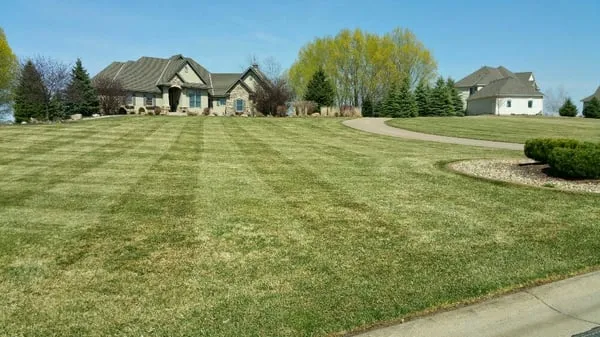
JLS Lawn Service & Snow
JLS Lawn Service & Snow has been a trusted part of the Prior Lake community since 2001. Founded by Joe while still in high school, the business grew through a steadfast commitment to quality lawn and ...
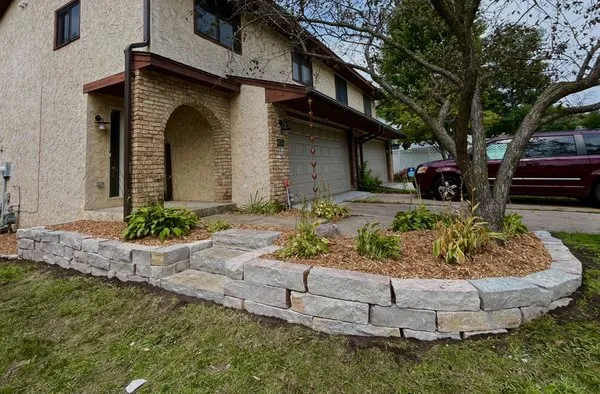
Oja Lawn & Landscape is a family-owned landscaping business serving Delano, MN, with over a decade of experience. We specialize in custom hardscaping, landscape design, and comprehensive outdoor const...

For life on the go, we handle the mow. Welcome to Paradise Property Services, your trusted lawn care partner in Lakeville and the South Metro area. With 17 years of dedicated service, we specialize in...
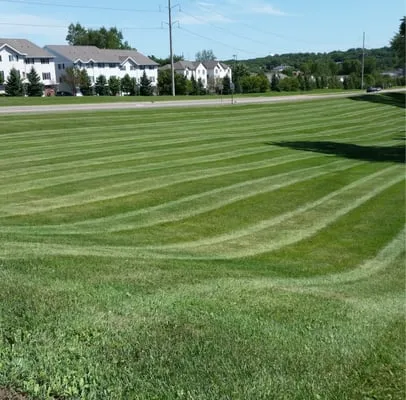
New Earth Landscaping is a Minneapolis-based company dedicated to transforming Twin Cities properties into beautiful, functional, and resilient outdoor spaces. We offer a comprehensive suite of servic...
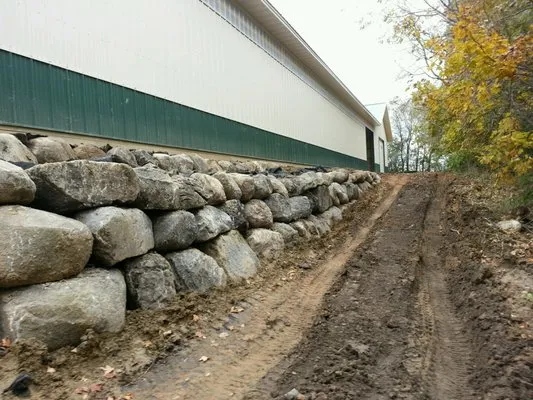
Integrity Landscape brings over 28 years of experience to Waconia and the western suburbs, founded in 2011 by an owner who transitioned from a partnership to pursue a more personalized approach. As a ...

Green Slate Design
Green Slate Design serves Edina, MN, as a full-service landscaping partner focused on creating sustainable, functional outdoor living spaces. With nearly 40 years of combined experience, our team hand...
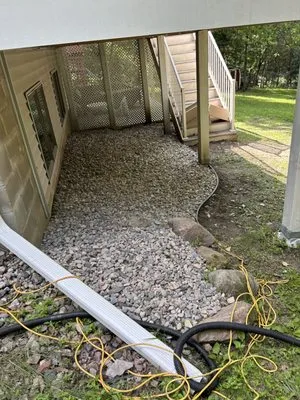
Southern MN Excavation And Landscapes
Southern MN Excavation & Landscapes is a Le Sueur-based contractor dedicated to transforming outdoor spaces with skill and reliability. We specialize in a comprehensive range of services, from major e...
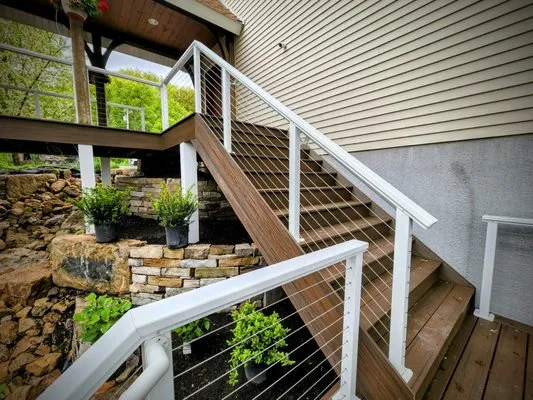
Urban Design
Urban Design Company in Shakopee, MN, specializes in creating outdoor spaces that serve as natural extensions of your home. We focus on landscape architecture, deck construction, and comprehensive lan...
Scotty's Lawn Service Inc. is a trusted, locally-owned lawn care and snow removal company serving Minnetonka, MN, and the surrounding Twin Cities area. For years, we've helped homeowners maintain beau...

Turfscape Inc is a full-service landscaping, snow removal, and property maintenance provider serving the Twin Cities area, including Brooklyn Park. We specialize in comprehensive shrub care—from plant...
Estimated Landscaping Service Costs in Chaska, MN
Q&A
Why does my 30-year-old Chaska lawn have such poor drainage and compacted soil?
Downtown Chaska properties built around 1996 have glacial till loam soils that have matured for 30 years, developing significant compaction from decades of foot traffic and maintenance equipment. This glacial till contains high clay content that reduces permeability over time, creating drainage issues during spring thaw. Core aeration with organic amendments like composted leaf mold addresses this by improving soil structure and water infiltration. Regular soil testing every 2-3 years helps maintain the optimal pH range of 6.8-7.2 for turf health.
How do I control invasive species without violating Minnesota's phosphorus fertilizer law?
Common Chaska invasives like buckthorn and garlic mustard require targeted mechanical removal during specific growth windows to prevent phosphorus runoff into watersheds. Spot treatment with EPA-approved herbicides follows Minnesota's phosphorus fertilizer law restrictions, avoiding application during establishment periods for new lawns. Organic alternatives like vinegar-based solutions work for small infestations when applied at correct concentrations. Always coordinate treatment schedules around the late April to mid-May mulching peak to prevent chemical interaction with soil amendments.
Why choose permeable pavers over wood for durable, low-maintenance hardscaping?
Permeable concrete pavers and granite offer 40+ year lifespans versus wood's 15-20 years, with minimal maintenance requirements beyond occasional joint sand replenishment. These materials support Chaska's low fire-wise rating by creating defensible space without combustible elements near structures. Their thermal mass moderates surface temperatures more effectively than wood, reducing urban heat island effects. Installation with proper base materials ensures longevity despite Minnesota's freeze-thaw cycles, while maintaining permeability rates that exceed municipal stormwater management requirements.
How quickly can you respond to an emergency tree cleanup after a storm in Downtown Chaska?
Emergency storm response from Firemen's Park via MN-41 typically requires 20-30 minutes during peak conditions, accounting for debris clearance and traffic patterns. Our electric fleet operates within Chaska's noise ordinance restrictions (9:00 PM to 7:00 AM), allowing immediate deployment without violating residential quiet hours. We prioritize HOA compliance situations with same-day assessment, particularly for safety hazards like fallen limbs or compromised structures. Route optimization considers both major arteries and neighborhood access points for efficient service delivery.
What permits and licensing are required for grading work on a typical Chaska residential lot?
Grading projects on 0.22-acre lots require Chaska Planning and Development Department permits for any elevation changes exceeding 6 inches or affecting drainage patterns. Contractors must hold Minnesota Department of Labor and Industry licensing for excavation work, particularly when operating within 10 feet of property lines or existing structures. Professional certification ensures compliance with erosion control measures during the 30-day soil disturbance window. These requirements prevent downstream sedimentation and maintain the integrity of glacial till loam profiles that characterize Downtown Chaska's soil composition.
What solutions address seasonal frost heave and clay soil drainage problems in Chaska?
Glacial till loam's high clay content exacerbates frost heave and surface water pooling during spring transitions. Installing permeable concrete pavers with 6-8 inches of aggregate base creates subsurface drainage channels that meet Chaska Planning and Development Department runoff standards. French drains connected to dry wells provide additional capacity for water diversion away from foundations. These systems work with the soil's natural permeability rather than against it, reducing hydrostatic pressure and structural stress during freeze-thaw cycles.
What low-maintenance native alternatives can replace high-input turf grasses?
Transitioning to Purple Coneflower, Wild Bergamot, Little Bluestem, and Swamp Milkweed reduces maintenance frequency while supporting local pollinators and biodiversity standards. These natives require minimal irrigation once established and eliminate weekly mowing during May-October peak seasons. The shift aligns with evolving noise ordinances by reducing gas-powered equipment use, particularly as electric maintenance fleets become standard. Native plantings also improve soil health through deeper root systems that prevent erosion and sequester carbon more effectively than traditional turf.
How can I maintain my Kentucky Bluegrass lawn during Chaska's Stage 1 water restrictions?
Smart Wi-Fi weather-based irrigation controllers (WBIC) optimize watering by using real-time evapotranspiration data and municipal water allocation limits. These systems adjust schedules based on soil moisture sensors, reducing typical Kentucky Bluegrass and Fine Fescue water requirements by 30-40% while maintaining turf health. Programming follows Chaska's voluntary conservation guidelines, prioritizing deep, infrequent watering during early morning hours. Regular system audits ensure uniform coverage and identify leaks before they impact water usage compliance.
