Top Landscaping Services in Champlin, MN, 55316 | Compare & Call


D Jess Property Services is a locally owned and operated lawn care provider serving Champlin, MN. We specialize in targeted solutions for common local landscaping challenges, such as unsightly dead pa...
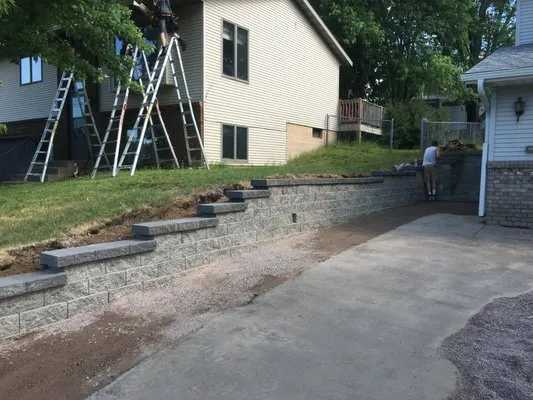
For two decades, Jake at Rupert's Landscaping has been building and transforming outdoor spaces for Champlin residents. As a small, hands-on company, Jake personally works on every project, from retai...

Sabas' Outdoor Services is a locally owned and operated company in Champlin, MN, dedicated to enhancing and maintaining outdoor spaces for both residential and commercial clients. Specializing in comp...

Gabe's Affordable Landscape is a family-owned landscaping business serving Champlin and the Twin Cities area with 15 years of experience. We specialize in creating functional and visually appealing ou...
Lindsay's Lawncare Inc. is a Champlin family business, founded in 1998 by Ryan and Deanne Lindsay. Drawing from Ryan's years of experience working for other lawn care companies, they built their own b...
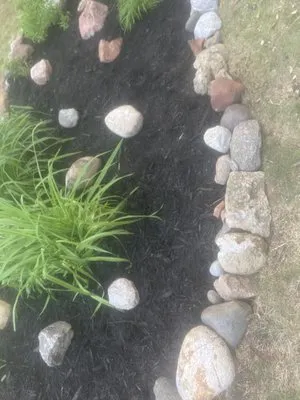
No Place Like Home is your trusted local expert in Champlin, MN, providing comprehensive handyman, lawn care, and painting services to keep your home in top shape. We understand the specific challenge...
JRD Lighting is a licensed lighting contractor based in Champlin, MN, with over twenty years of experience specializing in outdoor lighting solutions. We provide electric installation, repair, and mai...
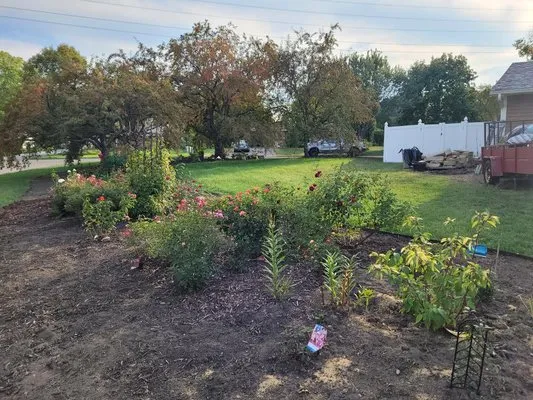
Hook & Ladder Lawn Services is a trusted landscaping company serving Champlin, MN, dedicated to transforming outdoor spaces with professional expertise. We specialize in landscape construction and ins...
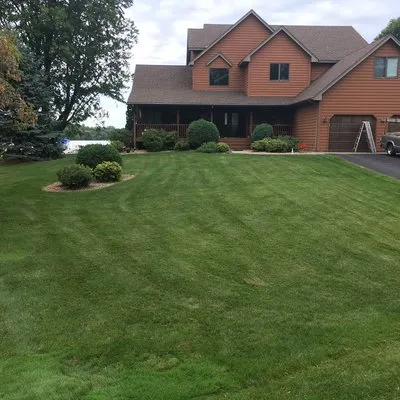
Hopwoods Lawn & Landscaping is your trusted local lawn care expert serving Champlin, MN. We specialize in comprehensive lawn services designed to address the specific challenges homeowners face in our...

Earlygreen Landscape is your trusted, local landscaping partner in Champlin, MN. We specialize in addressing the specific challenges faced by homeowners in our area, such as soil compaction from our h...
Questions and Answers
How can I maintain Kentucky Bluegrass during Champlin's voluntary water conservation periods?
Smart Wi-Fi ET-based controllers adjust irrigation schedules using real-time evapotranspiration data from local weather stations. These systems reduce water use by 15-30% compared to traditional timers while preserving turf health. Programming deep, infrequent watering cycles encourages deeper root growth in Kentucky Bluegrass. This approach maintains municipal compliance while optimizing soil moisture retention in silt loam conditions.
Why does my Champlin Park yard have such compacted soil that struggles to drain properly?
Champlin Park homes built around 1988 have soil that has matured for approximately 38 years. Silt loam soil in this neighborhood naturally compacts over decades of foot traffic and equipment use, reducing permeability. Core aeration every 1-2 years is essential to break up compaction layers and improve oxygen exchange. Adding organic amendments like composted leaf mold enhances soil structure while maintaining the optimal pH range of 6.5-7.2 for most landscape plants.
Are concrete pavers better than wood for durable landscaping in Champlin?
Concrete pavers and segmental retaining wall blocks offer superior longevity compared to wood in Minnesota's Zone 4b climate. These materials withstand freeze-thaw cycles without rotting or warping, maintaining structural integrity for decades. Their non-combustible nature supports Champlin's low Firewise rating by creating defensible space around structures. Properly installed paver systems require minimal maintenance while providing permanent erosion control on sloped sites.
What solutions work best for spring snowmelt runoff in Champlin's high water table areas?
High spring runoff in silt loam soils requires permeable hardscape solutions. Concrete pavers with open-joint designs allow 40-50% of precipitation to infiltrate directly into the soil profile. Segmental retaining wall blocks with gravel backfill create subsurface drainage channels that redirect water away from foundations. These systems meet Champlin Community Development Department runoff standards while addressing seasonal saturation issues common in this microclimate.
What native plant options reduce maintenance while supporting local ecology in Champlin?
Transitioning from high-maintenance turf to native plantings like Purple Coneflower, Wild Bergamot, Little Bluestem, and Swamp Milkweed creates resilient landscapes. These species require minimal watering once established and provide critical habitat for pollinators. Native plantings eliminate weekly mowing needs and reduce reliance on gas-powered equipment ahead of potential noise ordinance expansions. This approach aligns with 2026 biodiversity standards while lowering long-term maintenance costs.
How quickly can you respond to an emergency tree cleanup after a storm in Champlin?
Emergency storm response typically requires 20-30 minutes during peak conditions. Our dispatch routes from Mississippi Crossings via US-169, which provides direct access to Champlin Park neighborhoods. This timing accounts for traffic variables while ensuring HOA compliance deadlines are met. We prioritize safety assessments before beginning cleanup operations to prevent secondary damage.
What permits and licenses are needed for grading work on my quarter-acre Champlin lot?
Grading projects exceeding 50 cubic yards of soil movement require permits from the Champlin Community Development Department. Contractors must hold appropriate licensing through the Minnesota Department of Labor and Industry, particularly for work affecting drainage patterns or structural stability. On quarter-acre lots, even modest grading can impact neighboring properties, making professional certification essential. These regulations ensure proper water management and prevent sedimentation issues in the Mississippi River watershed.
How should I manage invasive buckthorn without violating Minnesota's fertilizer regulations?
Buckthorn requires mechanical removal followed by careful herbicide application to prevent resprouting. Use phosphorus-free herbicides as mandated by Minnesota Statute 18C.60, applying during dry periods in early fall when native plants are dormant. Avoid treatments during spring blackout dates when runoff risks are highest. Monitor for garlic mustard and spotted knapweed, which also threaten Champlin's native plant communities.
