Top Landscaping Services in Bloomington, MN, 55420 | Compare & Call
There are 189 landscaping companies server in Bloomington MN
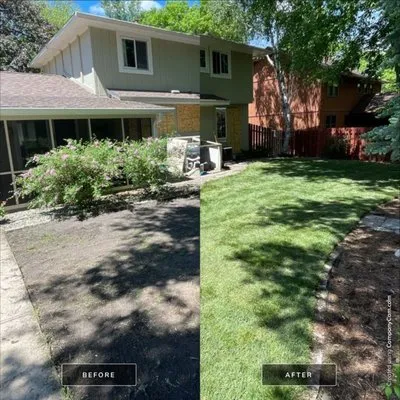
Sod Smith was founded in Minneapolis by a team of recent graduates who combined their hands-on landscaping experience with a professional, detail-oriented approach. We saw a need for reliable, high-qu...
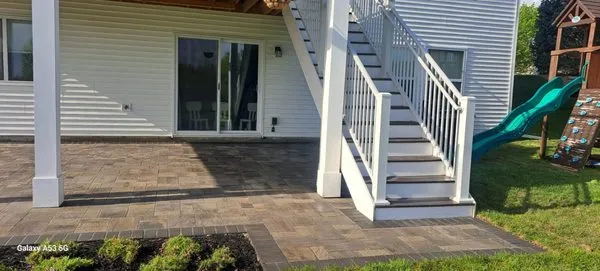
MM Landscaping is a Minneapolis-based landscaping company specializing in comprehensive outdoor solutions for residential and commercial properties. Serving the Twin Cities area, we offer a full range...
AAA Tree Service is a trusted, full-service tree and landscaping company serving St. Paul, MN, and the surrounding areas. We specialize in comprehensive tree care, shrub maintenance, and landscape con...

Organic Lawns by Lunseth
Organic Lawns by Lunseth is a Bloomington, MN-based family business founded on a commitment to environmentally responsible lawn care. Co-owners Shay and Eric Lunseth combine professional horticulture ...
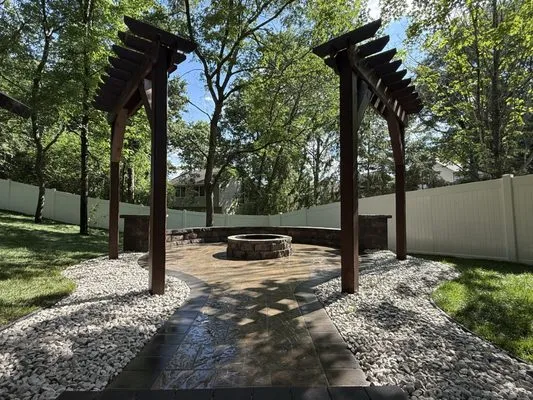
GTO Landscape is a trusted Mounds View, MN landscaping company specializing in comprehensive outdoor solutions for local homeowners. We address common local challenges like overgrown shrubs and standi...
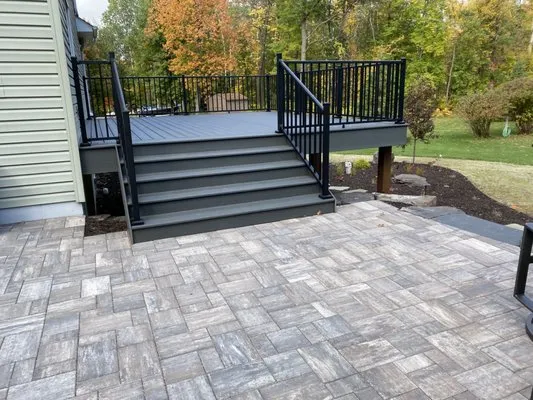
Gary Anderson Landscaping is a nationally recognized design/build firm based in Ham Lake, Minnesota. With over three decades of experience, they've built a reputation for meticulous craftsmanship and ...

Willy's Workers is a full-service landscaping and groundwork company serving Excelsior, MN. We specialize in transforming and maintaining residential and commercial properties through a comprehensive ...
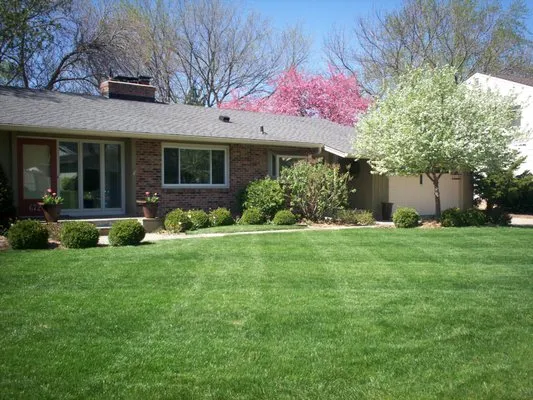
Since founding Diamond Cut Lawn Care in 2003, owner Adam St. Pierre has built a Minneapolis lawn care company grounded in a simple principle: exceptional results through environmentally responsible me...

Sunnyside Gardens has been a cornerstone of the Minneapolis gardening community since 1935. Owner Mike Hurley, a local Edina native who purchased the business in 2000 after 12 years as an employee, br...
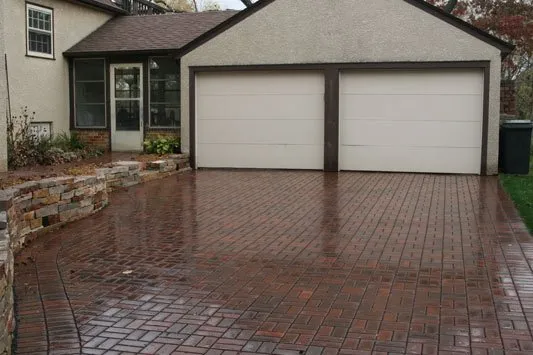
Dean Bjorkstrand Landscaping
Dean Bjorkstrand Landscaping has been serving Minneapolis and the Twin Cities area since 1983, specializing in comprehensive landscape design and installation. With decades of experience in Minnesota'...
Estimated Landscaping Service Costs in Bloomington, MN
Questions and Answers
My West Bloomington lawn seems compacted and struggles to absorb water. Is this typical for our neighborhood?
Yes, this is common in West Bloomington due to soil maturity. With homes averaging 56 years old (2026 minus 1970 build year), the slightly acidic sandy loam soil has experienced decades of foot traffic and equipment use, reducing permeability. Core aeration every 1-2 years addresses this by relieving compaction and improving oxygen flow to roots. Adding organic amendments like compost enhances soil structure and water retention in this pH 6.2-6.8 environment.
Our yard has pooling water after heavy rains. What solutions work with Bloomington's moderate runoff standards?
Permeable concrete pavers create a surface that allows water infiltration at 3-5 inches per hour, addressing seasonal high water tables in sandy loam soils. These systems reduce runoff by directing water through joints filled with aggregate, meeting Bloomington Community Development Department requirements. For severe areas, French drains or dry wells provide additional subsurface management. Proper grading away from foundations completes an integrated drainage approach.
Should I choose permeable pavers or wood for a new patio in our fire-prone area?
Permeable concrete pavers offer superior longevity with a 25+ year lifespan versus wood's 10-15 years, requiring less maintenance. Their non-combustible nature supports Moderate Fire Wise ratings by creating defensible space without flammable materials. The permeability reduces runoff while withstanding Minnesota freeze-thaw cycles. Unlike wood, pavers won't rot, warp, or attract insects, making them ideal for West Bloomington's climate.
How can I maintain my Kentucky Bluegrass and Fine Fescue mix during Bloomington's Stage 1 water restrictions?
Wi-Fi ET-based weather sensing irrigation systems optimize water use by adjusting schedules based on real-time evapotranspiration data. This technology delivers precise moisture to turf roots while reducing overall consumption by 20-30%, staying within voluntary conservation limits. Programming deeper, less frequent watering encourages drought-resistant root growth in sandy loam soils. Regular system audits ensure no water waste through leaks or overspray.
We have an HOA compliance deadline tomorrow for overgrown vegetation. Can you respond quickly?
Our electric maintenance fleet can dispatch from Hyland Lake Park Reserve via I-494, reaching West Bloomington within 20-30 minutes during peak hours. This rapid response accommodates noise ordinance restrictions for gas-powered equipment (7am-9pm) while meeting urgent deadlines. We prioritize electric equipment for quiet operation and immediate deployment to address compliance issues without disturbing neighbors.
What permits and licenses are needed for regrading our 0.25-acre lot?
The Bloomington Community Development Department requires grading permits for significant earth movement, especially with moderate runoff hazards. Contractors must hold appropriate licensing through the Minnesota Department of Labor and Industry, as 0.25-acre projects often exceed DIY thresholds. Licensed professionals ensure proper slope calculations (typically 2% minimum away from structures) and erosion control measures. Unpermitted grading can result in fines and drainage liability issues.
I've spotted creeping bellflower invading my garden. How do I remove it safely?
Creeping bellflower requires persistent digging to remove all tuberous roots, as chemical treatments often violate Minnesota's phosphorus ban on turf fertilizers. Manual removal in early spring before seed set prevents spread without disrupting soil microbiology. For severe infestations, solarization with clear plastic during summer heats soil to lethal temperatures. Always check local blackout dates for any treatment applications to avoid ordinance violations.
I want to reduce mowing and gas equipment use. What native options thrive here?
Replacing high-maintenance turf with Purple Coneflower, Wild Bergamot, Little Bluestem, and Swamp Milkweed creates a resilient landscape. These natives require minimal watering once established and eliminate weekly mowing from May to October. Their deep root systems improve soil health and support local pollinators. This transition ahead of noise ordinance trends reduces reliance on gas-powered equipment while enhancing biodiversity.
