Top Landscaping Services in Belle Plaine, MN, 56011 | Compare & Call

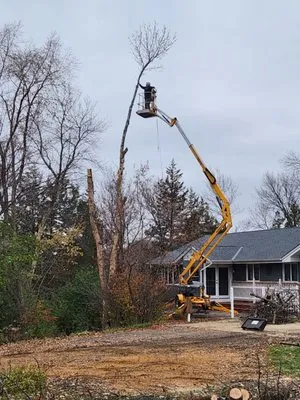
SouthWest Services is a trusted Belle Plaine tree and landscaping company serving the local community with comprehensive outdoor solutions. We specialize in landscape construction, maintenance, and ex...
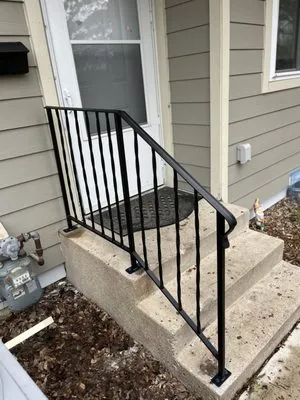
Orr Contracting, established in 2021 and based in Belle Plaine, MN, is a versatile contracting company dedicated to meeting a wide range of local needs with a focus on quality and customer satisfactio...
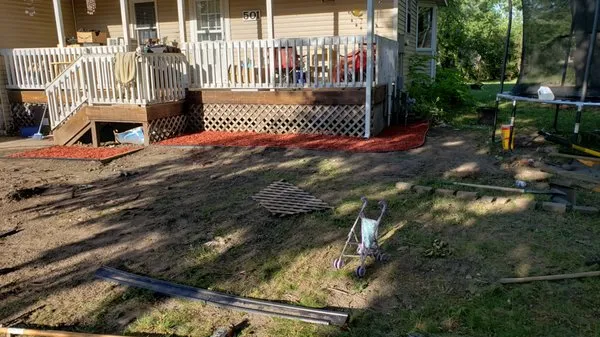
Johns Landscape and Tree Services is a trusted, full-service provider in Belle Plaine, MN, specializing in comprehensive tree care and landscaping solutions. We help local homeowners tackle common reg...

Rise Above Yard And Garden
Rise Above Yard And Garden is your local Belle Plaine partner for a healthy, beautiful outdoor space. We specialize in gardening and landscape maintenance to tackle common area challenges like persist...
JS Landscaping & Design is a trusted local landscaping company serving Belle Plaine, MN, specializing in landscape design and installation. We understand the common local challenges homeowners face, s...
K & K Lawn Care is a trusted local lawn service provider serving Belle Plaine, MN, and surrounding communities. We specialize in comprehensive lawn care solutions designed to address the common yard d...
KC's Outdoor Services is a trusted, locally-owned provider in Belle Plaine, MN, specializing in comprehensive lawn care and reliable snow removal. We understand the unique challenges Belle Plaine home...
A & L Lawn Services & More is a trusted local lawn care provider serving Belle Plaine, MN. We specialize in comprehensive lawn care solutions tailored to the specific needs of our community. Our team ...
Frequently Asked Questions
How can we keep our Kentucky Bluegrass lawn green during voluntary water restrictions?
Smart Wi-Fi ET-based irrigation is essential for conservation. The system uses local weather data to apply only the precise water lost to evapotranspiration, preventing overwatering. For your turf blend, we program deep, infrequent cycles that encourage deeper root growth, enhancing drought tolerance. This method typically reduces municipal water use by 20-30%, keeping your lawn healthy while fully adhering to Belle Plaine's Stage 1 voluntary conservation standards.
We have creeping Charlie and thistles taking over. How do we treat them safely?
For invasive species like creeping Charlie, a two-stage approach is required. First, a targeted post-emergent herbicide application in fall, when plants are storing energy, is most effective. Crucially, any fertilizer used must be phosphorus-free per Minnesota Statute 18C.60. Following control, we overseed with competitive turf or native ground covers and apply organic mulch to suppress future weeds. This method avoids soil damage and complies with all local chemical application guidelines.
Our soil feels compacted and our grass struggles. Did this lot have poor soil when our house was built?
Given Belle Plaine's average home construction date of 1998, your soil is roughly 28 years old. In Downtown Belle Plaine, this means glacial till loam was likely graded and compacted by heavy equipment during development, severely degrading its structure. The soil's natural pH of 6.8-7.2 is suitable, but compaction drastically reduces permeability and root penetration. Annual core aeration and top-dressing with composted organic matter are critical to rebuild soil tilth and microbial activity, reversing decades of degradation.
Our yard is a soggy mess every spring. What's the best long-term fix?
High spring snowmelt saturation is a common issue with glacial till loam due to its variable permeability. The solution integrates subsurface drainage like French drains with surface grading to direct water away from foundations. Replacing impermeable surfaces with permeable concrete pavers or crushed limestone patios can significantly reduce runoff, often meeting Belle Plaine Planning & Zoning Department standards for on-site water management. A properly designed system addresses ponding within 24-48 hours after heavy saturation.
Should we build our new patio with concrete pavers or wood?
Concrete pavers are superior for longevity and low maintenance in our climate. Unlike wood, which decays and requires sealing, pavers withstand freeze-thaw cycles and have a 30+ year lifespan. For the low fire-risk, urban interface of Belle Plaine, pavers also create a definitive non-combustible defensible space adjacent to the home. Their permeability, when installed with proper base materials, aids in managing the site's spring saturation, adding functional drainage benefits.
We need emergency branch cleanup after a storm to meet HOA rules. What's your fastest response time?
Our dispatch prioritizes emergency compliance work. From our staging at Veterans Memorial Park, we take MN-169 directly into residential zones, ensuring a 20-30 minute arrival during peak storm conditions. Our fully electric maintenance fleet operates within Belle Plaine's 7 AM to 10 PM noise ordinance, allowing for immediate, quiet cleanup. We document the site for HOA compliance upon arrival, focusing on clearing access points and hazardous limbs first.
Do we need a permit to regrade our backyard, and what should we check for when hiring?
Yes, regrading a 0.25-acre lot typically requires a permit from the Belle Plaine Planning & Zoning Department to ensure drainage alterations don't impact neighboring properties. You must hire a contractor licensed by the Minnesota Department of Labor and Industry for this work. A licensed professional will carry the required insurance, understand local soil and runoff codes, and provide engineered plans if necessary, protecting you from liability and substandard work that could cause future drainage or structural issues.
We're tired of weekly mowing. What's a lower-maintenance, eco-friendly alternative?
Transitioning to a native plant palette is the definitive solution. Species like Purple Coneflower, Little Bluestem, and Prairie Dropseed are adapted to Zone 4b, requiring no irrigation once established and no weekly mowing. This shift dramatically reduces fossil fuel consumption from mowers and blowers, aligning with evolving noise ordinances that restrict gas equipment. The resulting landscape supports local pollinators, builds soil health, and provides year-round visual interest with minimal input.
