Top Landscaping Services in Apple Valley, MN, 55068 | Compare & Call
There are 183 landscaping companies server in Apple Valley MN
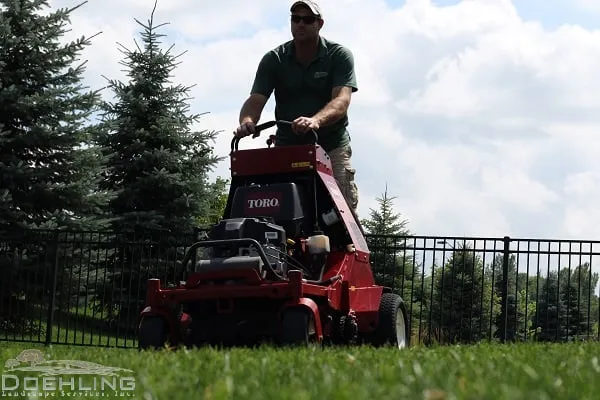
Doehling Landscape Services is a Shakopee-based landscaping company founded in 2003 by Matt Doehling. Matt transitioned from a career as an airline pilot to build a business that would allow him more ...

Since 1998, Valley Lake Irrigation has been the trusted sprinkler specialist for Saint Paul and the entire Twin Cities metro. Founded on a passion for working outdoors and solving complex system probl...
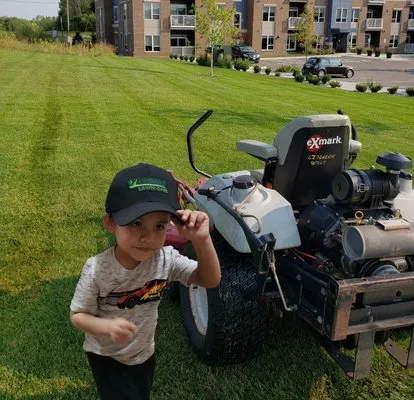
Castro Lawn Care is a family-owned and operated lawn care service based in Burnsville, MN, with over 10 years of experience serving the local community. We specialize in comprehensive lawn services, s...
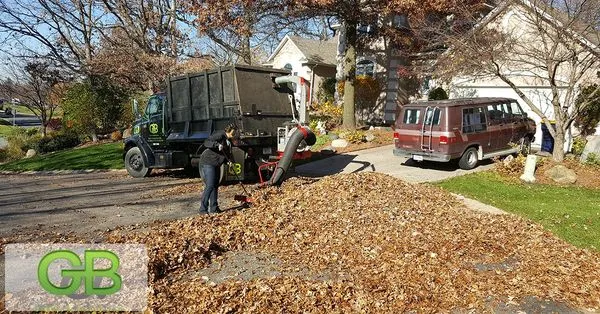
Founded in Apple Valley in 2010 by Nate, Green & Black has grown from a dedicated lawn care service into a trusted, fully-insured, year-round grounds maintenance company serving the South Metro. With ...
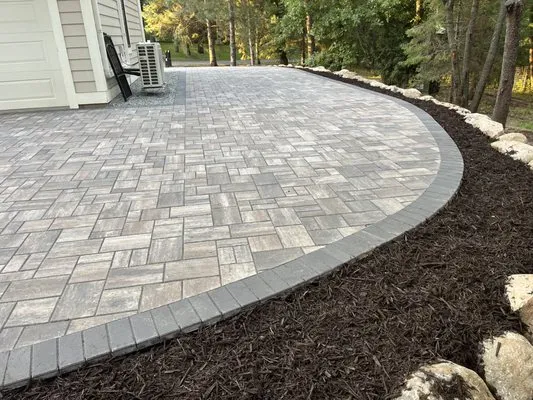
Hartigan Outdoors is your trusted, year-round partner for lawn care and snow removal in Rosemount, MN. We understand the common local landscaping challenges many homeowners face, such as dying shrubs ...
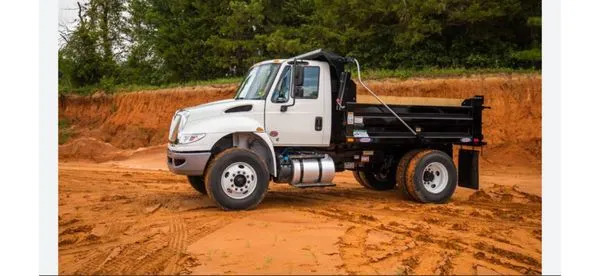
Pirner Contracting is your trusted Pine Springs neighbor for comprehensive property solutions, specializing in junk removal, hauling, landscaping, and demolition. We understand the unique challenges o...
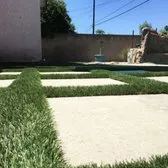
Purchase Green Artificial Grass
Purchase Green Artificial Grass in Chanhassen is part of a trusted national network that began in 2009. Today, as part of the leading integrated artificial grass manufacturer in the United States, we ...
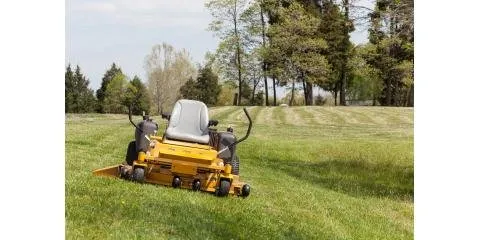
Outdoor Management in Rosemount, MN, is a trusted local provider of comprehensive outdoor services, including lawn care, snow removal, and tree care. With over two decades of experience serving Minnea...
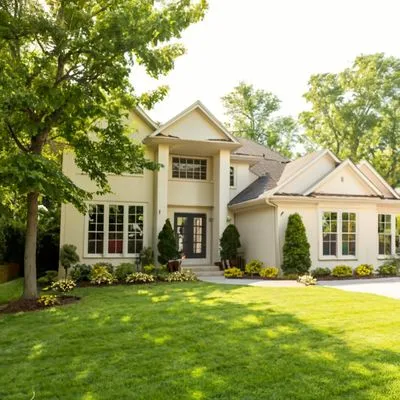
Dakota Green Blades is a locally owned lawn care and window washing business serving Apple Valley and Dakota County, Minnesota. Founded in 2022 by lawn care enthusiasts who care deeply about the envir...
Food Forest Design Minnesota
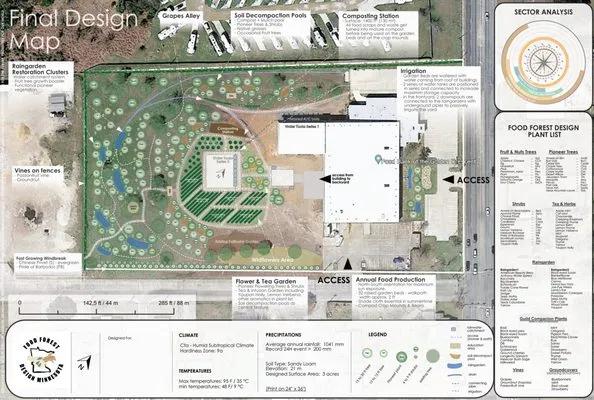
Food Forest Design Minnesota, based in Apple Valley, MN, is a landscape design service specializing in transforming residential and community spaces into sustainable food-producing ecosystems. Led by ...
Estimated Landscaping Service Costs in Apple Valley, MN
Question Answers
Spring thaw creates saturated areas in our yard. What drainage solutions work with glacial till loam?
High seasonal saturation in glacial till loam requires improved permeability. Installing French drains with gravel beds enhances subsurface water movement. Concrete pavers with permeable joints or granite aggregate surfaces meet Apple Valley Planning and Zoning Division runoff standards. These materials allow water infiltration while providing stable surfaces, reducing surface pooling during spring thaw events.
We need emergency storm cleanup to meet HOA compliance deadlines. How quickly can you respond?
Our electric maintenance fleet can dispatch from the Apple Valley Aquatic Center area within minutes. Using Cedar Avenue (MN-77) provides direct access to Cobblestone Lake neighborhoods. We maintain a 20-30 minute peak storm response time, with crews arriving within noise ordinance hours (7:00 AM - 10:00 PM). This ensures immediate debris removal while adhering to local regulations.
How can we reduce maintenance while preparing for tighter noise and emission regulations?
Transitioning high-maintenance turf areas to native plantings creates sustainable landscapes. Purple Coneflower, Little Bluestem, Swamp Milkweed, and Wild Bergamot require minimal watering and no weekly mowing. This approach reduces gas-powered equipment use ahead of anticipated electric-only maintenance mandates. Native plantings also support local pollinators and require only seasonal attention rather than weekly maintenance.
With Stage 1 water restrictions, how do we keep our Kentucky Bluegrass and Fine Fescue mix healthy?
Smart Wi-Fi controllers with soil moisture sensors optimize irrigation for Apple Valley's voluntary conservation stage. These systems use ET-based scheduling to deliver precise water volumes only when needed. By monitoring soil conditions in real-time, they maintain turf health while reducing water use by 30-40% compared to traditional timers. This approach preserves your grass mix while respecting municipal water limits.
What permits and licenses are needed for grading work on our 0.28-acre lot?
Grading on 0.28-acre lots requires Apple Valley Planning and Zoning Division permits for significant earth movement. Contractors must hold Minnesota Department of Labor and Industry licensing for excavation work exceeding 50 cubic yards. Professional licensing ensures proper erosion control and compliance with local runoff standards. Unlicensed grading can violate municipal codes and create drainage issues affecting neighboring properties.
What invasive species should we watch for, and how do we treat them safely?
Buckthorn and garlic mustard present significant invasive risks in Apple Valley's Zone 4b. Manual removal during early growth stages is most effective. For established invasions, targeted herbicide applications must avoid Minnesota's phosphorus ban on turf fertilizers. Treatment timing should consider local blackout dates and focus on fall applications when native plants are dormant. Always verify products comply with state fertilizer ordinances.
We're considering patio materials. How do concrete pavers compare to wood for longevity and safety?
Concrete pavers offer superior longevity to wood in Apple Valley's climate, with 25+ year lifespans versus wood's 10-15 years with maintenance. For fire safety, pavers and granite aggregate provide non-combustible surfaces that support Moderate Fire Wise ratings. These materials create defensible space in urban interface zones while requiring minimal upkeep. Their thermal mass also moderates temperature extremes better than wood surfaces.
Our Cobblestone Lake neighborhood was built in the late 1980s. What does that mean for our soil health today?
Apple Valley's 1989 average build date means your soil has matured for 37 years. In Cobblestone Lake, glacial till loam with pH 6.8-7.2 has likely become compacted from decades of foot traffic and maintenance equipment. This compaction reduces soil percolation and oxygen availability to root zones. Annual core aeration with organic compost amendments is recommended to restore permeability and support microbial activity.
