Top Landscaping Services in Anoka, MN, 55303 | Compare & Call
There are 188 landscaping companies server in Anoka MN
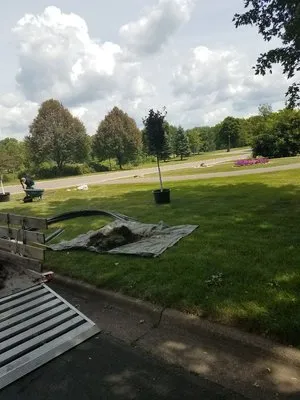
Checkerboard Lawn and Landscape
Checkerboard Lawn and Landscape is a Maple Grove-based outdoor service company with deep local roots. Founded in 2000 by Dick Lent, the business was acquired in 2017 by Troy L., a Maple Grove native w...
Performance Lawn Care & Irrigation Services
Performance Lawn Care & Irrigation Services is a Minneapolis-based provider specializing in comprehensive lawn and landscape solutions. We help local homeowners tackle common Twin Cities challenges li...
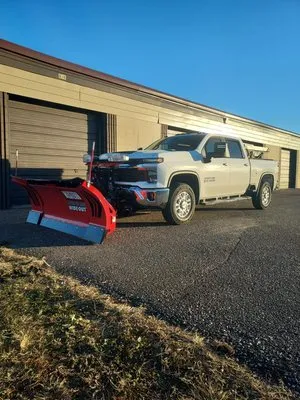
Back Forty Outdoor Services is a licensed landscaping and snow removal company serving Ramsey, MN, and surrounding areas including Anoka, Sherburne, Isanti, Mille Lacs, Hennepin, and Wright Counties. ...
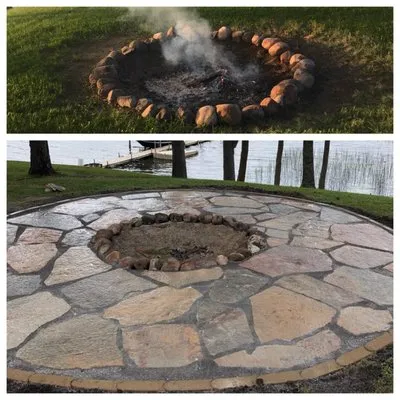
FYI Landscaping is a licensed, full-service landscaping company serving Dayton, MN and the greater Minneapolis area. With expertise spanning residential and commercial outdoor projects, we specialize ...
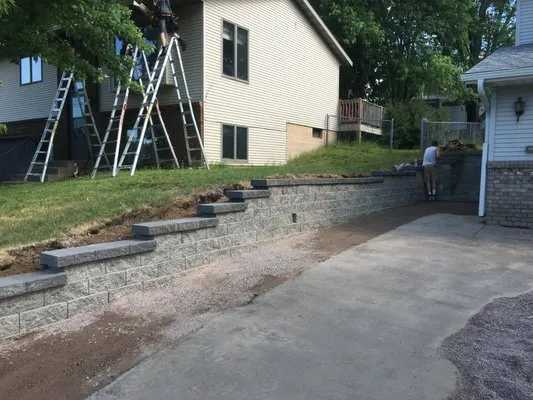
For two decades, Jake at Rupert's Landscaping has been building and transforming outdoor spaces for Champlin residents. As a small, hands-on company, Jake personally works on every project, from retai...
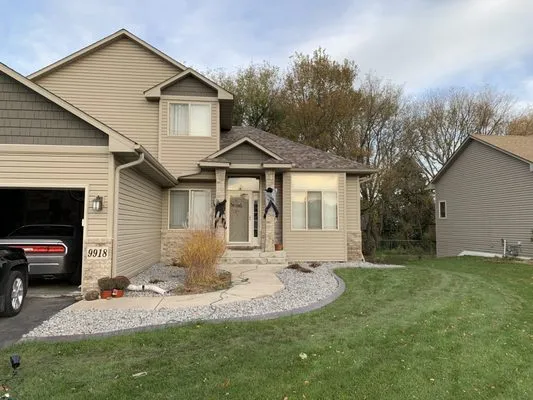
Founded in 2019 by Tyler, Northwood Outdoor Services is a Dayton-based landscaping and snow removal company dedicated to the northwest metro area. With years of hands-on experience, Tyler built the co...
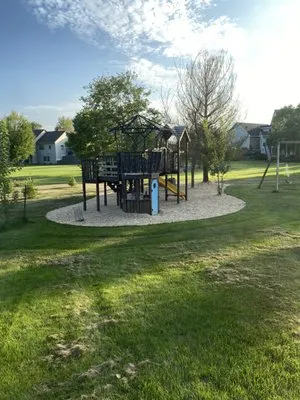
Ivan here, owner of Kretsu Lawn & Landscaping in Anoka. We're a local team dedicated to quality lawn care and landscape transformations. Our focus is on delivering reliable, professional results that ...
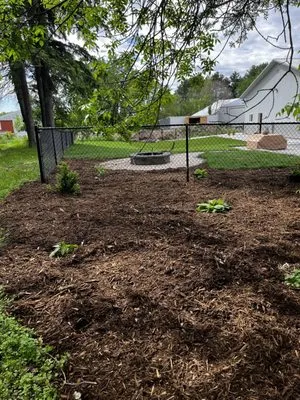
Since 2017, Clark Companies of Minnesota has been a trusted Elk River partner for comprehensive outdoor transformation. Our team provides a full-service approach, handling everything from the initial ...
Sabas' Outdoor Services is a locally owned and operated company in Champlin, MN, dedicated to enhancing and maintaining outdoor spaces for both residential and commercial clients. Specializing in comp...
Land of 10,000 Lawns is your trusted, year-round partner for lawn care and snow removal in Coon Rapids. We combine modern technology with years of local knowledge to provide reliable service you can c...
Estimated Landscaping Service Costs in Anoka, MN
Common Questions
What permits and contractor credentials are needed for regrading my yard?
Significant regrading on a 0.22-acre lot typically requires a permit from the Anoka Community Development Department to ensure proper stormwater flow and adherence to code. The contractor performing the work must hold appropriate licensing through the Minnesota Department of Labor and Industry. This ensures they carry required insurance and possess the expertise to alter topography without causing drainage issues for your or neighboring properties.
How fast can you respond for an emergency tree cleanup after a storm?
Our emergency storm response from the Anoka County Fairgrounds area typically takes 20-30 minutes during peak events. We route via US-10 to access Riverdale and surrounding neighborhoods efficiently. This allows for rapid assessment and mitigation of hazards like downed limbs to ensure property safety and HOA compliance without undue delay.
What are the long-term benefits of switching from grass to native plants?
Replacing high-input turf with a palette of natives like Purple Coneflower, Little Bluestem, and Butterfly Milkweed dramatically reduces water, fertilizer, and maintenance needs. This transition future-proofs your landscape against tightening noise ordinances that may restrict gas-powered blowers and aligns with 2026 biodiversity goals. These deep-rooted plants also excel in our Zone 4b climate and improve soil health.
Are concrete pavers or natural granite better than wood for a long-lasting patio?
Concrete pavers and natural granite offer superior longevity and minimal maintenance compared to wood, which decays and requires regular sealing. In Anoka's Low Firewise rating zone, these non-combustible materials also contribute to defensible space. Their durability withstands freeze-thaw cycles, and their installation, when done with a permeable base, aids in managing the site's natural drainage patterns.
What invasive species should I watch for, and how do I control them safely?
Common invaders in our area include Buckthorn and Creeping Bellflower. Manual removal is effective for small infestations, while targeted, systemic herbicide applications may be necessary for larger ones. All control methods must avoid the statewide phosphorus ban on lawns. Treatments should be timed for plant vulnerability, typically in late fall, and never during spring green-up when runoff risk is highest.
Why does my soil seem so compacted and thin compared to new construction sites?
Your 1973 home in Riverdale sits on soil that has matured for over 50 years. The original slightly acidic sandy loam has likely become compacted from decades of foot traffic and routine maintenance, reducing its organic matter and permeability. This common condition in older neighborhoods necessitates annual core aeration and the addition of compost to rebuild soil structure and support healthy turfgrass root systems.
My yard stays soggy long after the spring thaw. What's the solution?
Seasonal saturation is a frequent issue in Anoka's sandy loam soils with a high water table. Improving drainage involves regrading to create positive slope away from foundations and installing French drains. For new patios or walkways, using permeable concrete pavers instead of solid concrete can significantly reduce runoff, often helping projects meet Anoka Community Development Department standards for stormwater management.
How can I keep my lawn green during voluntary water conservation stages?
Under Anoka's Stage 1 voluntary conservation, an ET-based, Wi-Fi-enabled irrigation system is essential. It automatically adjusts watering schedules using local weather data to apply only the precise amount of water lost to evapotranspiration. This technology maintains your Kentucky Bluegrass and Fine Fescue mix within municipal guidelines by preventing overwatering, which is especially critical given our high water table.
