Top Landscaping Services in Albertville, MN, 55301 | Compare & Call
There are 181 landscaping companies server in Albertville MN
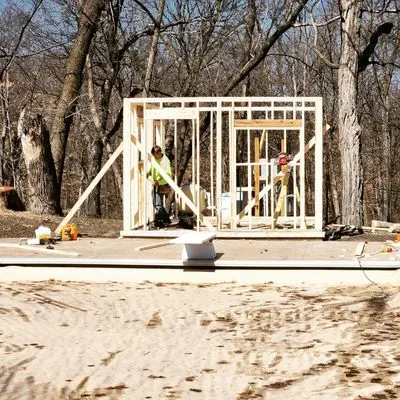
Mattila Companies
Founded by Kent Mattila, a Buffalo native with deep roots in local construction, Mattila Companies is a family-owned business built on generations of hands-on experience. Kent grew up learning the tra...
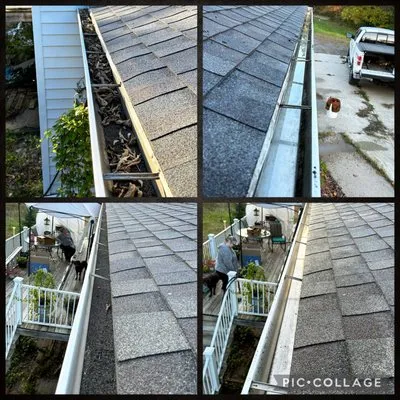
Jurek Exterior Services was founded in 2023 by Nolan Jurek, a 17-year-old Becker resident who turned his passion for the outdoors and helping others into a local business. Starting with a genuine love...
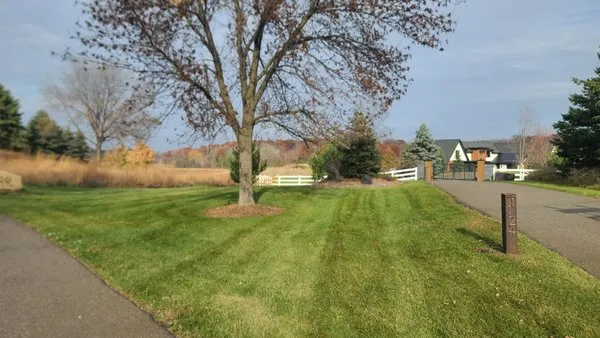
JD Outdoor Services is a family-run lawn care and snow removal company serving Monticello, MN. Founded on the principle that customers should feel like part of the family, not just a number, we bring ...
Founded in 2016 as a family-run lawn service, Viridizs has grown from word-of-mouth recommendations into a trusted, full-service property care company for Elk River. We started with basic lawn mainten...
4A's Outdoor Services is a family-run landscaping and tree care company serving Monticello and the surrounding areas. With over two decades of experience, we've built our reputation on reliable, knowl...

For over 25 years, Cole Bros Tree and Landscape has been the trusted, family-owned choice for comprehensive tree and property care in Cambridge, MN, and the surrounding Isanti County area. We speciali...
P&P Exterior Services is a trusted local provider in Otsego, MN, specializing in comprehensive lawn care, snow removal, and gutter services. We understand the unique challenges Otsego homeowners face,...
Superior Surroundings
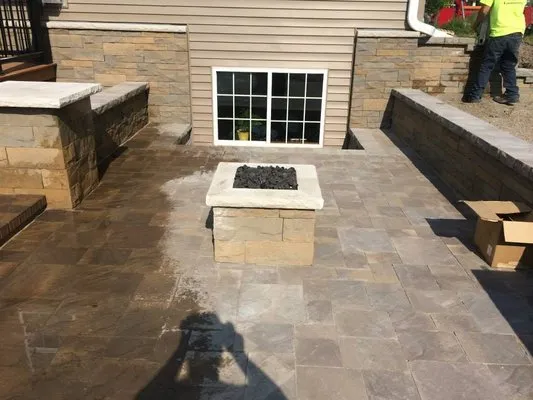
Superior Surroundings is a Zimmerman-based landscaping company specializing in artificial turf, masonry, and concrete solutions. We help local homeowners tackle common yard problems like dead lawn are...
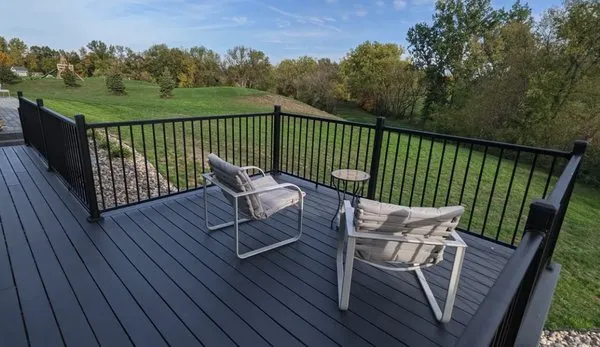
Berm Outdoor Services is a licensed landscaping contractor based in Maple Grove, Minnesota, serving Monticello and surrounding areas. We specialize in improving residential landscapes through comprehe...

DW Companies began in 2020 when a dedicated team of five left another company to build something better—for their people, their Cambridge community, and the industry. We are a family-owned excavation ...
Estimated Landscaping Service Costs in Albertville, MN
Questions and Answers
I'm tired of weekly mowing. Are there lower-maintenance options?
Yes, transitioning high-input turf areas to a native plant community is a forward-thinking solution. Species like Little Bluestem, Purple Coneflower, and Butterfly Milkweed are adapted to Zone 4b and require no mowing, minimal water, and no synthetic fertilizers once established. This shift also aligns with evolving municipal codes, reducing dependency on gas-powered equipment ahead of tighter noise and emissions ordinances, while significantly boosting local biodiversity.
Why does my landscaper need a special license to regrade my 0.25-acre lot?
In Minnesota, any contractor altering the drainage or elevation of a property, a practice known as 'landscape irrigation and lawn sprinkler systems' contracting, must hold a specific license from the Minnesota Department of Labor and Industry. For a 0.25-acre lot in Albertville, even minor regrading can significantly impact stormwater flow to neighboring properties and public infrastructure. The Albertville City Hall Planning & Zoning office requires permits for such work to ensure it complies with local codes, and they will verify the contractor's state license before approval to protect homeowner liability and community drainage patterns.
How do I keep my Kentucky Bluegrass green during voluntary water conservation?
Under Stage 1 voluntary conservation, the strategy is precision watering. Smart Wi-Fi weather-based controllers are essential; they adjust schedules daily based on local evapotranspiration (ET) data, preventing overwatering. For your turf blend, this means deeper, less frequent irrigation cycles that encourage drought-resistant roots. This technology is the most effective way to maintain turf health while adhering to municipal water use expectations and preparing for potential tighter restrictions.
We have an HOA deadline for cleanup after a storm. How quickly can you respond?
For an emergency compliance cleanup, our dispatch from Albertville Central Park allows for efficient routing. Using I-94 for access, our electric fleet can typically reach most Central Albertville addresses within the 20-30 minute window during peak conditions. This rapid response is structured to meet strict deadlines while operating quietly within the local 10 PM to 7 AM noise ordinance hours.
Part of my yard stays soggy long after it rains. What's the fix?
A seasonal high water table interacting with dense glacial till is a common drainage hazard here. The solution involves improving subsurface permeability. For patios or walkways, specifying permeable concrete pavers or an open-graded Class 5 aggregate base allows water to infiltrate rather than run off. These solutions often meet Albertville City Hall Planning & Zoning standards for stormwater management by replicating natural percolation rates and reducing surface water burden.
Are concrete pavers a better long-term choice than wood for a new patio?
For longevity and reduced maintenance, inorganic materials like concrete pavers are superior to wood in our climate. They resist frost heave better when installed with a proper base and offer a lifespan measured in decades. From a fire safety perspective, their non-combustible nature contributes positively to a property's defensible space, which is a consideration in Albertville's moderate Wildland-Urban Interface (WUI) rating, where creating ignition-resistant zones around structures is recommended.
My lawn never looks as good as my neighbor's. Is it just the soil here?
For homes built around 1996, the underlying soil is now 30 years mature. In Central Albertville, this loamy glacial till often develops significant compaction from construction and routine traffic, which restricts root growth and water infiltration. While the natural pH of 6.8 to 7.2 is excellent, the primary need is not fertilizer but core aeration to relieve compaction, followed by top-dressing with compost to rebuild organic matter and soil structure for healthier turf.
I see a fast-spreading weed with tiny white flowers. How do I stop it?
That description likely matches invasive creeping Charlie (Glechoma hederacea), which thrives in the moist, compacted soils of our area. Safe treatment requires a dual approach: improving turf density through aeration and proper mowing height to outcompete it, and using a targeted, EPA-registered herbicide applied in early fall, strictly following label instructions. Crucially, any product used must be phosphorus-free to comply with Minnesota's statewide fertilizer law, which prohibits phosphorus application except for new establishment or proven deficiency.
