Top Landscaping Services in Wyandotte, MI, 48192 | Compare & Call

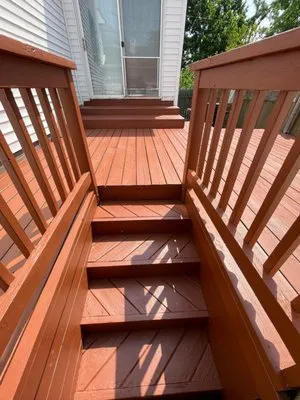
Raymonds Lawn Care and Maintenance is a family-owned and operated business proudly serving Wyandotte, MI, and the surrounding communities of Wayne, Monroe, and Oakland County since 2021. As a local te...

Level Up Lawncare is a family-owned and operated service proudly serving Wyandotte, Michigan, and the surrounding communities. We specialize in comprehensive lawn care, including weekly mowing and sea...

Dynamic Property Services
Dynamic Property Services is a trusted local provider in Wyandotte, MI, specializing in comprehensive outdoor solutions. Our expert team addresses common local landscaping challenges, such as yard dra...
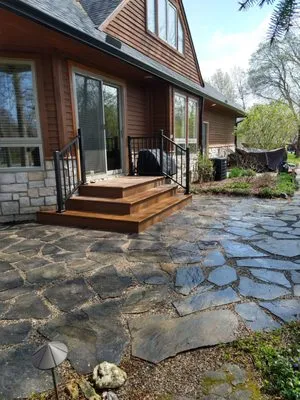
Humphries Hardscape is a trusted, family-operated landscaping and masonry company serving Wyandotte and the Downriver communities for over two decades. Specializing in durable hardscape installations ...

Michaels Landscaping And Lawn Service is a trusted, locally-owned provider in Wyandotte, MI, specializing in year-round property care. We understand the unique challenges Wyandotte homeowners face, su...
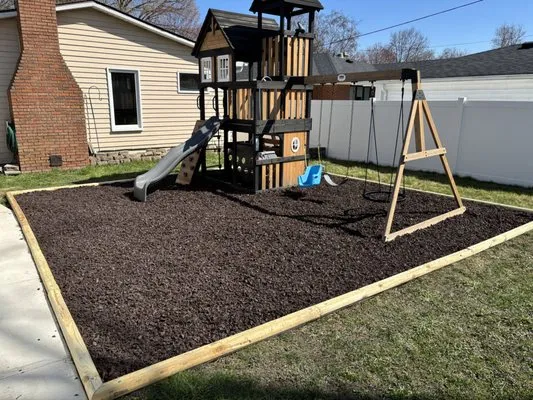
S&E Landscaping Excavation is a veteran-owned, local business serving Wyandotte and the greater Downriver area. We specialize in blending practical excavation work with meticulous lawn care to solve c...
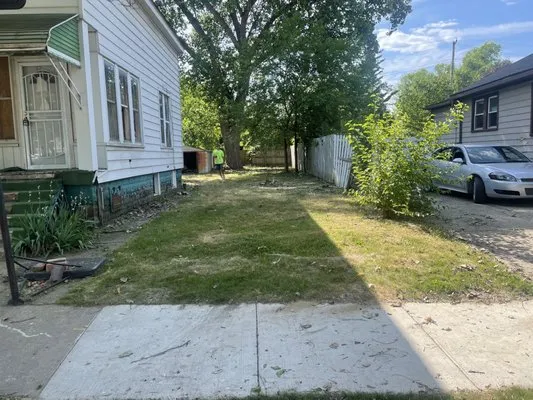
L&S Complete Lawn Care is a trusted local lawn service provider serving Wyandotte, MI, specializing in comprehensive lawn care solutions. We understand common local challenges like landscape edging da...
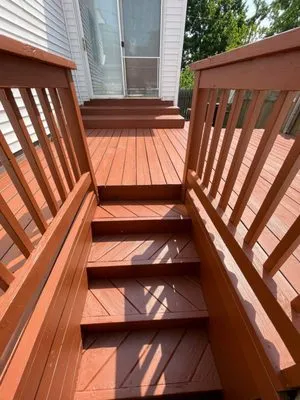
Raymond's Lawn Care is a family-owned and operated business serving Wyandotte and Southeast Michigan for over 30 years. Founded by a local couple with deep roots in the Downriver community, we combine...

KS Landscaping is a trusted, locally-owned landscaping company serving Wyandotte, MI, and the surrounding communities. With over 12 years of hands-on experience, owner Kevin Smith and his dedicated te...
J R Landscape is a trusted local landscaping company serving homeowners throughout Wyandotte, MI. We specialize in solving the specific outdoor challenges common to our area, such as yards plagued by ...
Common Questions
What permits and licenses are needed for landscape grading work?
Grading on 0.14-acre Wyandotte lots requires permits from the Wyandotte Engineering and Building Department to ensure proper drainage and erosion control. Contractors must hold appropriate licensing through Michigan LARA, verifying competency in soil mechanics and stormwater management. These regulations prevent downstream impacts from sediment runoff in our high water table environment. Professional oversight ensures grading addresses clay loam's unique compaction challenges while maintaining property line integrity and adherence to municipal codes.
How do I manage invasive species without violating fertilizer laws?
Michigan's phosphorus restrictions under the Natural Resources and Environmental Protection Act require targeted approaches to invasive management. Manual removal of species like garlic mustard or Japanese knotweed during dry periods prevents soil disturbance that spreads propagules. Spot-treatment with EPA-approved herbicides avoids broadcast applications, while soil testing ensures any necessary amendments stay within legal nutrient parameters. Timing interventions outside blackout dates maintains compliance while protecting clay loam's microbial communities from chemical disruption.
How quickly can you respond to storm damage for HOA compliance?
Emergency cleanup crews dispatch from Bishop Park via I-75, reaching Downtown Wyandotte properties within 20-30 minutes during peak conditions. Our electric maintenance fleet operates within 7 AM to 9 PM noise ordinances while clearing debris from Kentucky Bluegrass turf. We prioritize safety hazards like downed branches before addressing cosmetic damage, coordinating with property managers for compliance documentation. This rapid response minimizes turf stress and prevents secondary damage from compacted wet soils.
Why does my Wyandotte lawn have drainage issues and compacted soil?
Downtown Wyandotte properties average 75 years of development, creating mature clay loam soils with reduced permeability. Decades of foot traffic and equipment weight have compressed soil structure, limiting oxygen exchange and water infiltration. Core aeration with organic compost amendments improves soil percolation by creating channels for air, water, and mycorrhizae. This addresses the high water table characteristic of our river-adjacent neighborhood while maintaining pH 7.1-7.5 stability.
Are concrete pavers better than wood for Wyandotte patios?
Concrete pavers and crushed limestone offer superior longevity in Michigan's freeze-thaw cycles compared to wood's decay susceptibility. These materials maintain structural integrity for decades with minimal maintenance, avoiding the replacement cycle of wooden structures. Their non-combustible nature supports Low Fire Wise ratings in urban-suburban interfaces by creating defensible space without fuel accumulation. Properly installed permeable systems also manage runoff more effectively than solid surfaces, addressing both durability and drainage requirements simultaneously.
Should I install smart irrigation with no water restrictions in Wyandotte?
Voluntary conservation remains essential despite no formal restrictions, as municipal water systems face increasing demand. Smart Wi-Fi Weather-Based Irrigation Controllers (WBIC) calculate ET-based schedules that preserve Kentucky Bluegrass and Fine Fescue mixes while reducing usage 30-40%. These systems automatically adjust for clay loam's slow infiltration rates, preventing runoff into our high water table. Implementing WBIC technology now prepares properties for potential future restrictions while maintaining turf health through precise moisture management.
What solutions exist for poor drainage in Wyandotte's clay soils?
Clay loam's poor infiltration requires engineered drainage systems that meet Wyandotte Engineering Department runoff standards. Permeable concrete pavers or crushed limestone hardscapes allow water penetration while supporting structural loads. Subsurface French drains with clean gravel layers redirect water from foundations, supplemented by rain gardens planted with water-tolerant natives. These approaches address the high water table by increasing permeability without creating erosion hazards on 0.14-acre lots.
Can I reduce maintenance while supporting local ecology?
Transitioning high-maintenance turf to native plantings like Common Milkweed, Wild Bergamot, Purple Coneflower, and Little Bluestem creates biodiverse landscapes requiring minimal inputs. These deep-rooted perennials improve soil structure, reduce irrigation needs, and provide habitat for 2026 biodiversity targets. Electric equipment maintains these plantings quietly within noise ordinances, eliminating gas-blower emissions. This approach future-proofs properties against potential water restrictions while creating resilient, self-sustaining ecosystems.
