Top Landscaping Services in Woodstock, MI, 49220 | Compare & Call
There are 124 landscaping companies server in Woodstock MI
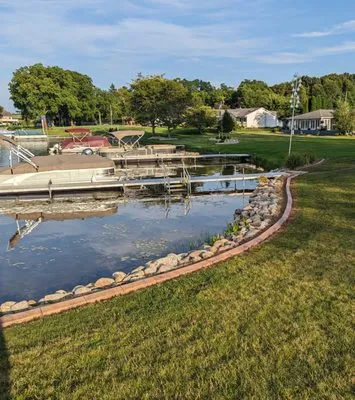
Decorative Curbing in Jackson provides a durable, long-lasting solution for landscape borders. Our machine-formed concrete edging is designed to withstand Michigan's tough winters, incorporating fiber...
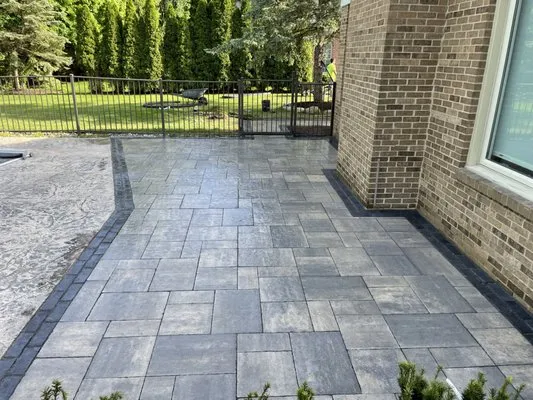
Yepez Landscaping is a full-service landscaping company serving Adrian, MI, and the surrounding area. We specialize in transforming outdoor spaces through comprehensive design, construction, and maint...

KAS Lawn Solutions is a trusted, locally-owned lawn care company that has been serving Palmyra and Lenawee County since 2005. With deep roots in the community, we understand the unique challenges that...
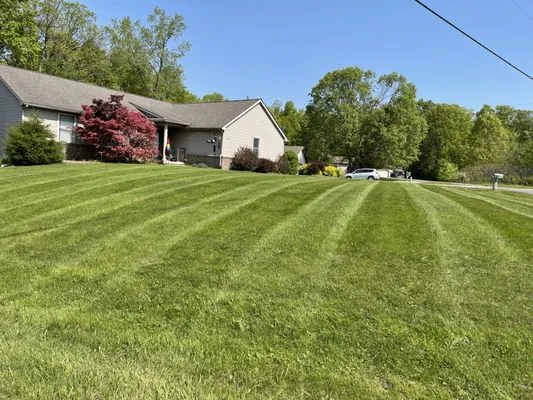
Kish Lawn and Landscape is a dedicated lawn care provider serving Onsted, Michigan, and the surrounding communities. We specialize in addressing common local landscaping challenges, such as uneven spr...

BE Landscapes is a full-service landscaping company serving Adrian, Michigan, specializing in both design and construction for residential and commercial properties. We address common local issues lik...
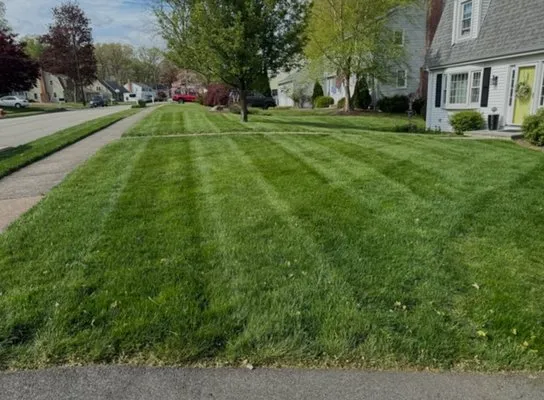
Affordable Lawn Care in Hillsdale, MI is run by Benny, who started providing lawn services four years ago at age 11. He offers straightforward, cost-effective lawn care and junk removal for local resi...
Joe Strong Construction is a family-owned and operated business serving Adrian and the surrounding Lenawee, Jackson, and Washtenaw counties for over 40 years. We specialize in turning your property in...
Adrian Lawn & Home is your trusted local expert in Clayton, MI, providing comprehensive lawn care and handyman services. We understand the unique challenges of our local soil, including bare patches a...

Nature’s Edge Property Services is a Jackson-based landscaping company dedicated to enhancing the beauty and function of your outdoor space. We specialize in garden installations, paver patio construc...
Haligus Services, based in Napoleon, MI, has been a trusted local provider of irrigation, lawn care, and pest control solutions since 1977. With over 4,000 sprinkler systems installed across Jackson, ...
Estimated Landscaping Service Costs in Woodstock, MI
Q&A
What invasive species should we watch for, and how do we treat them without using restricted fertilizers?
Garlic mustard and creeping Charlie are prevalent invasive threats that compete with desirable turf and natives. Manual removal is effective for small infestations, while targeted, phosphorus-free herbicide applications can manage larger outbreaks without violating local ordinances. Treatment timing is critical; early spring or late fall applications coincide with the plant's active translocation of nutrients, maximizing effectiveness while minimizing impact on surrounding soil biology.
We need an emergency tree cleanup after a storm to meet HOA compliance. How quickly can a crew arrive?
Our dispatch from the Woodstock Opera House area via US-14 allows for a peak response time of 25-35 minutes for urgent service calls. The crew will arrive with electric chainsaws and chippers, which comply with local noise ordinances for operation outside restricted hours. We prioritize securing the site, removing hazardous limbs, and clearing driveways to restore safe access before beginning systematic debris processing.
We want to reduce mowing and gas equipment noise. What are good low-maintenance alternatives to grass?
Transitioning sections of turf to a native planting of Purple Coneflower, Butterfly Milkweed, Little Bluestem, and Wild Bergamot eliminates weekly mowing and aligns with evolving noise ordinances. These deep-rooted perennials establish a resilient, self-sustaining matrix that requires no fertilization after year one and supports local pollinators. This xeriscaping approach significantly reduces water, fuel, and labor inputs while enhancing property ecology.
Our backyard has persistent wet spots every spring. What's a lasting solution for this drainage problem?
Moderate seasonal ponding is common here due to a dense clay subsoil layer beneath the surface loam, which impedes percolation. A tiered approach combines subsurface French drains to intercept water with the strategic use of permeable concrete pavers for patios and paths. These pavers meet municipal runoff standards by allowing infiltration on-site, while regrading to create subtle swales can direct surface water away from foundations effectively.
Are permeable pavers a better long-term choice than wood for a new patio, considering our climate?
Permeable concrete pavers offer superior longevity and functionality compared to wood in USDA Zone 5b. They resist frost heave, will not rot or splinter, and their permeable design directly mitigates the clay subsoil drainage hazard. In a Low Fire Wise rated area, the non-combustible material and crushed limestone borders also provide critical defensible space, a safety consideration not offered by wooden decks.
Why does the soil in our Historic Woodstock District yard seem so hard and compacted, and what should we do about it?
Your home, built around 1983, indicates your soil has had over 40 years to mature and compact, a typical timeline for Mollisol loams in this area. This soil type has excellent structure but loses permeability under decades of foot traffic and equipment weight, restricting root growth and water infiltration. Core aeration in early fall is the primary correction, followed by a top-dressing of compost to rebuild organic matter. This directly addresses the seasonal ponding issue by improving the soil's ability to drain.
How can we keep our Kentucky Bluegrass lawn healthy during Woodstock's Stage 1 water conservation period?
Smart Wi-Fi controllers paired with in-ground soil moisture sensors create an ET-based irrigation schedule that applies water only when the turfgrass blend actually needs it. This system bypasses voluntary conservation restrictions by preventing overwatering, often reducing usage by 30-40%. It targets root zones deeply and infrequently, which encourages drought tolerance in the fescue components of your lawn while maintaining canopy health.
Do we need a permit to regrade our 0.22-acre lot, and what should we verify about a contractor's credentials?
Any significant regrading that alters site drainage or involves retaining walls over a certain height requires a permit from the Woodstock Building & Zoning Department. For a property of this size, ensure your contractor holds appropriate licensing through the Michigan Department of Licensing and Regulatory Affairs (LARA). This verifies they carry required insurance and understand state codes for erosion control and proper slope stabilization, which are critical for protecting your investment and adjacent properties.
