Top Landscaping Services in Williamston, MI, 48895 | Compare & Call

Cherry Oak Landscaping
Cherry Oak Landscaping is a family-owned landscaping company serving Williamston, MI, and the Greater Lansing area with over a decade of experience. We specialize in comprehensive outdoor solutions in...
AA+ Lawn & Landscape is your trusted partner for creating and maintaining beautiful, functional outdoor spaces in Williamston, MI. We understand that a well-kept yard is essential to your home's curb ...
Williamston Snow Removal & Landscape is a dedicated local service provider addressing the specific landscaping and seasonal challenges faced by homeowners in Williamston, MI. We specialize in comprehe...
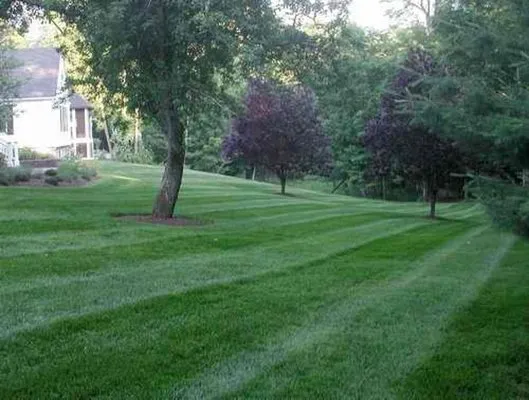
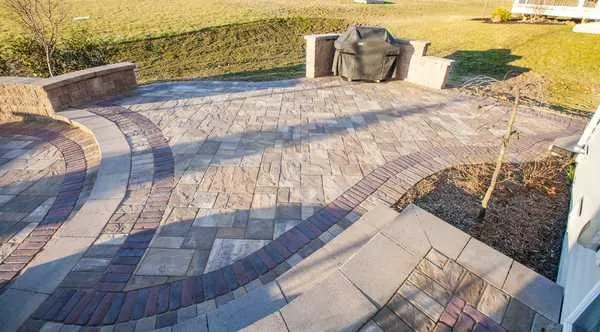
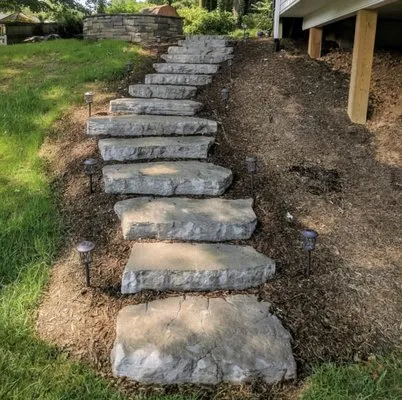
Go Green Landscapes
Go Green Landscapes is a licensed landscape design, construction, and maintenance firm serving Williamston, Okemos, and the greater Lansing area since 2010. We provide comprehensive services including...
Hundred Acre Woods has been a trusted landscaping and irrigation partner for Williamston, MI, residents and businesses since 1995. Starting with just fifteen clients, we've grown to serve over four hu...
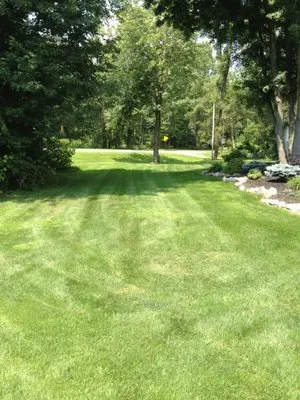
Square Yard Mowing in Williamston, MI, is a locally owned and operated lawn care service with deep roots in the community. Owner Mike brings over four decades of hands-on experience in the green indus...
CW Lawncare is your trusted, local lawn service provider in Williamston, MI. We understand the unique challenges Williamston properties face, especially after severe weather when storm debris can litt...

Barkham
Barkham is a Williamston, MI-based landscaping company specializing in landscape design and snow removal services. We help local homeowners tackle common area challenges like standing water in yards a...
Wood's Lawn Maintenance is your trusted local partner for a healthy, resilient lawn in Williamston, MI. We understand that many homes in our area face specific challenges like poor lawn grading, which...
Gehringer & Sons Landscaping is a family-owned and operated landscaping company serving Williamston, MI, and the surrounding areas. With deep roots in the community, we specialize in creating and main...
Questions and Answers
Will smart irrigation keep my Kentucky Bluegrass and Fine Fescue healthy during dry spells?
Smart Wi-Fi ET-based weather sensing irrigation calculates evapotranspiration rates to apply precise water volumes matching turf needs. This technology maintains Kentucky Bluegrass and Fine Fescue mixes while operating within Williamston's voluntary conservation guidelines. The system automatically adjusts schedules based on real-time weather data, preventing overwatering that exacerbates drainage issues in loam soils.
What permits and licenses are needed for landscape grading on my quarter-acre lot?
Grading work on 0.25-acre lots requires permits from Williamston City Planning & Zoning Department and licensed professionals certified by Michigan LARA. The permit office reviews drainage plans to ensure compliance with local runoff standards, while LARA licensing verifies contractor competency in soil mechanics. This dual oversight prevents erosion issues and ensures proper slope stabilization for properties with varied topography.
What's the safest way to control invasive plants without harming my garden?
Invasive species like garlic mustard and Japanese knotweed require targeted treatment during specific growth phases. Mechanical removal combined with selective herbicide applications avoids violating Michigan Fertilizer Act phosphorus restrictions. Treatment timing considers local blackout dates while preserving beneficial soil microbiology and mycorrhizae networks that support native plant establishment.
How quickly can you respond to emergency storm damage for HOA compliance?
Emergency cleanup crews dispatch from McCormick Park via I-96 to reach Williamston Historic District properties within 20-30 minutes during peak response windows. This routing optimizes access while adhering to restricted hours for gas-powered equipment operation. The team coordinates with local authorities to address immediate safety hazards and prevent HOA violations following severe weather events.
How can I reduce lawn maintenance while supporting local ecology?
Replacing high-maintenance turf with native plantings like Purple Coneflower, Butterfly Milkweed, and Little Bluestem creates resilient landscapes. These species require less frequent mowing and align with evolving noise ordinance restrictions on gas-powered equipment. Native plant communities support pollinators while reducing water demands, positioning properties ahead of anticipated biodiversity standards for 2026.
Are concrete pavers better than wood for durable outdoor spaces?
Concrete pavers and crushed limestone offer superior longevity compared to wood, with lifespans exceeding 25 years in Michigan's freeze-thaw cycles. These materials maintain structural integrity while providing the defensible space required by Williamston's Low Fire Wise rating. Their non-combustible nature reduces wildfire risk compared to wooden decks, particularly important in residential zones with standard building codes.
Why does my Williamston Historic District lawn have drainage issues despite regular watering?
Properties in the Williamston Historic District average 44 years of soil development since typical 1982 construction. Loam and sandy loam soils in this area often develop compacted layers that reduce permeability. Core aeration and organic amendments like compost improve soil structure by increasing pore space for water movement. This addresses the seasonal high water table and poor infiltration in clay pockets common to these lots.
What solutions work for yards with seasonal flooding in clay soil areas?
Seasonal high water tables and poor infiltration in clay pockets require engineered drainage solutions. Permeable concrete pavers and crushed limestone hardscapes allow water to percolate through surface materials rather than creating runoff. These installations meet Williamston City Planning & Zoning Department standards for stormwater management while addressing the specific drainage hazards of loam and sandy loam soils in USDA Zone 5b.
