Top Landscaping Services in Wilcox Township, MI, 49349 | Compare & Call
There are 34 landscaping companies server in Wilcox Township MI
Peaslee Lawn Care is a trusted lawn service provider serving homeowners in Cedar Springs, MI. We understand the common local challenges, like dealing with persistent lawn moss and unexpected irrigatio...
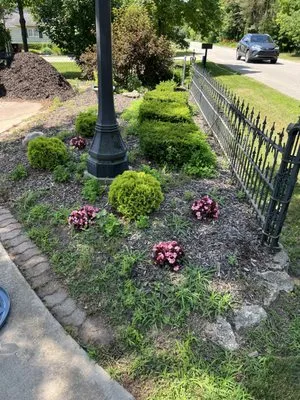
Phillips Lawn Services is your trusted, locally owned and operated lawn care provider in Ravenna, MI. We deliver reliable, professional results for every job, from routine mowing and trimming to seaso...
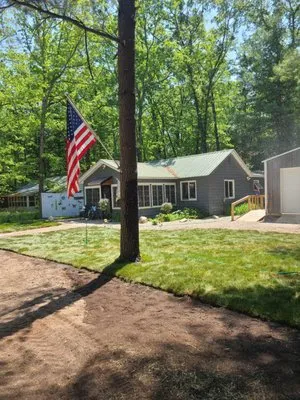
Abc Landscaping and Firewood is a family-owned and operated business based in the Wolf Lake area of Lake County, serving Baldwin and the surrounding Northern Michigan communities. We provide a compreh...

Ulnar Lawn Care
Ulnar Lawn Care is a veteran-owned business proudly serving Fremont, MI, and the surrounding area. Founded in 2019 by Army Veteran Jeff, who served ten years as a combat medic with two deployments to ...

Heart and Hands In Home Care
Heart and Hands In Home Care, locally owned and operated in Muskegon, MI, has been a trusted provider of in-home support since 1999. We offer a compassionate range of personal care services, from groo...
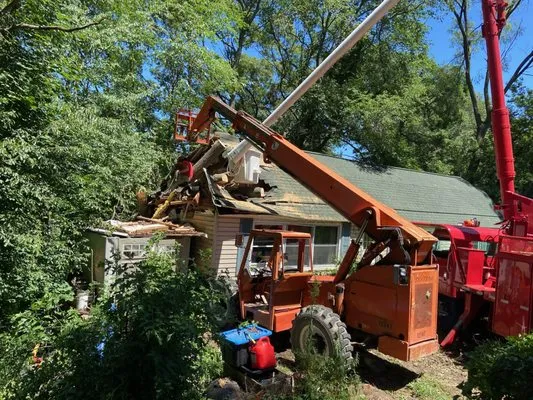
Christian Brothers Outdoor Services
Christian Brothers Outdoor Services is a Grant-based lawn and landscaping company built on a foundation of teamwork and personal connection. We believe the best results come from working directly with...

Viking Land Management
Viking Land Management is a trusted excavation and landscaping company serving Twin Lake, MI, and surrounding areas. With over 10 years of experience, we specialize in comprehensive land management so...
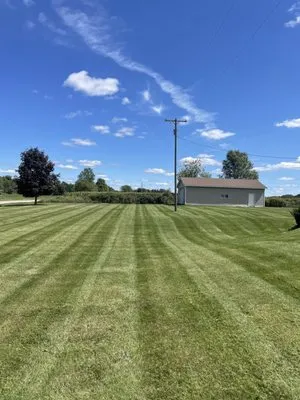
A C & C Lawn Care & Snow Plowing is a trusted, full-service outdoor maintenance company serving Sand Lake, MI, and the surrounding areas. We specialize in comprehensive lawn care, reliable snow remova...
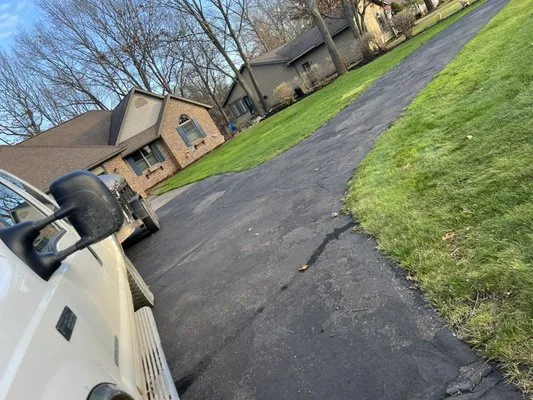
Brecht's Landscaping is a locally owned and operated business serving Edmore and the surrounding areas. Since opening in the spring of 2022, we've built our reputation on providing reliable, professio...
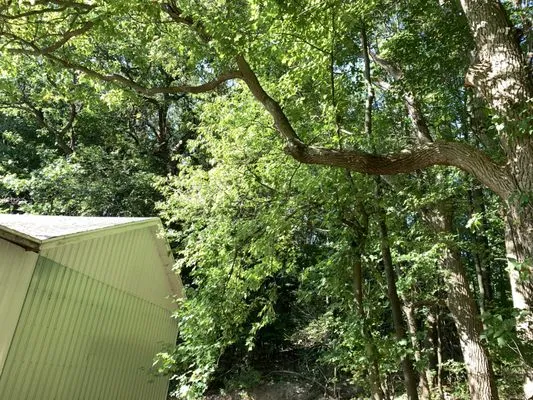
The Honest Woodsman Tree Snow And Landscape is a locally owned and operated company serving Grant, MI, and the surrounding area. Founded on a commitment to fairness and integrity, we specialize in pro...
Estimated Landscaping Service Costs in Wilcox Township, MI
Questions and Answers
Are concrete pavers better than wood for patio longevity in our climate?
Concrete pavers withstand freeze-thaw cycles better than wood, with 30+ year lifespan versus wood's 10-15 years in Zone 5a. Crushed limestone bases provide superior drainage compared to wood's moisture retention that accelerates decay. For fire mitigation, maintain 5-foot defensible space using non-combustible materials like concrete instead of wood decking. Paver systems allow individual replacement if frost heave occurs, while wood requires complete section replacement after rot detection.
Should I worry about water restrictions affecting my Kentucky Bluegrass lawn?
Wilcox Township currently maintains voluntary water conservation measures. Wi-Fi ET-based weather sensing irrigation calculates evapotranspiration rates specific to your 0.50-acre property, adjusting runtime to deliver 1-1.5 inches weekly during peak growing season. This technology reduces water use 30-40% compared to traditional timers while maintaining Fine Fescue mix health. Systems automatically bypass rainfall events and adjust for sandy loam's 6-8 inch root zone moisture retention capacity.
Why does my Wilcox Township lawn have drainage issues despite regular watering?
Wilcox Township Residential Center properties average 44 years of soil development since 1982 construction. Sandy loam soil with pH 6.2-6.8 becomes compacted over decades, reducing permeability to below 0.5 inches per hour. This compaction creates seasonal high water tables that prevent proper infiltration. Core aeration with 3-4 inch depth spacing and organic amendments like composted leaf mold at 0.25 cubic yards per 1000 square feet will restore soil structure within two growing seasons.
What permits and licenses are needed for regrading my half-acre property?
Grading exceeding 100 cubic yards on 0.50-acre lots requires Wilcox Township Building Department approval for erosion control plans. Michigan LARA licensing mandates certified professionals for excavation deeper than 24 inches or within 10 feet of structures. Contractors must demonstrate competency in soil percolation testing and stormwater management for sandy loam conditions. Unlicensed grading risks fines up to $5,000 and mandatory restoration orders, particularly when altering natural drainage patterns affecting neighboring properties.
How quickly can you respond to storm damage for HOA compliance in our neighborhood?
Emergency cleanup crews dispatch from Wilcox Township Hall with primary routing via M-33. During peak conditions, travel time ranges 45-60 minutes depending on debris volume and road accessibility. We prioritize downed trees blocking driveways and hazardous branches overhanging structures. All equipment operates within noise ordinance hours of 7:00 AM to 8:00 PM, with electric chainsaws reducing acoustic impact during extended cleanup operations.
What's the best solution for standing water near my foundation each spring?
Seasonal high water tables in sandy loam soils require graded swales directing runoff away from structures. Replace impermeable surfaces with crushed limestone bases providing 40-50% void space for infiltration. Concrete pavers with ⅛-inch joints filled with polymeric sand create permeable hardscapes meeting Wilcox Township Building Department runoff standards. For severe cases, French drains with 4-inch perforated PVC at 18-inch depth and washed gravel backfill resolve poor infiltration within 48 hours of installation.
What invasive species should I watch for and how do I treat them safely?
Monitor for Japanese knotweed and garlic mustard, which thrive in USDA Zone 5a's sandy loam. Manual removal before seed set in early May prevents phosphorus runoff into waterways. For established invasions, apply glyphosate-based herbicides at 2% solution during fall translocation, avoiding spring blackout dates near water features. Always verify treatment timing against local fertilizer ordinance requirements, particularly for phosphorus-free applications within 50 feet of drainage channels.
Is there a lower-maintenance alternative to weekly mowing that still looks tidy?
Replace high-maintenance turf with native plant communities featuring Little Bluestem, Wild Bergamot, and Black-eyed Susan. These species require mowing only once annually in late winter, eliminating gas-powered equipment use during noise-restricted hours. Established native plantings reduce irrigation needs by 75% while supporting pollinator populations. Maintain a 5-foot non-combustible zone around structures using crushed limestone to meet Moderate Fire Wise ratings without combustible mulches.
